
How To Provide Customer Support for Any Communication Style

Working with customers can be both fulfilling and demanding. One moment, you’re dealing with a buyer who is friendly, funny, and just needs a bit of help. The next, you have to solve a complex problem for an angry and demanding business owner.
Each of those conversations will benefit from a different approach. Once your customer support team understands how to adapt to each person’s communication style, they’ll be able to provide the right kind of help, quickly and effectively.
In this post, we’ll talk about various communication styles, and offer some tips on adapting your customer support process accordingly.
Understanding Common Communication Styles
When interacting with customers, recognizing their communication style and adjusting yours can make all the difference. Let’s first look at a few ineffective communication style types your customer support team might encounter, and be tempted to use in response.
Passive Communication: Here, the support agent or the customer might be trying to avoid confrontation. Passive communication involves going with the flow, even if it means not standing up for your needs.
When customers use this style, agents may be tempted to underestimate their needs. When support agents use this style, buyers may feel they’re not being taken seriously.

Examples: “Sure, I guess that’s alright.” / “Okay, I will pass this along.”
Aggressive Communication: This style is forceful and sometimes overwhelming – a my-way-or-the-highway vibe.
When customers use this style, agents might feel defensive or offended. When you use this style, what support agents gain in control they may lose in customer satisfaction.
Examples: “Fix it now or I’m cancelling my order.” / “This is the only solution.”
Passive-Aggressive Communication: This style is a subtle mix of passive and aggressive. You may agree on the surface but resist indirectly.
When customers use this style, agents might misinterpret their true feelings (especially when communicating via text-based support). When support agents use this style, it can confuse customers and lead to distrust.
Examples: “Yeah, I’m sure that’ll fix the problem this time.” / “Oh right, so it somehow switched on by itself.”
If a customer begins the conversation with one of the above styles, it’s natural to mirror them.
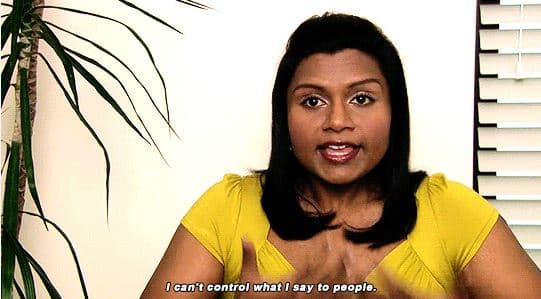
Your support team will need to fight against that impulse and adopt a more productive conversation style instead, such as…
Assertive Communication: With this style, you’re clear and direct, yet highly respectful. It’s the sweet spot in customer support, where you address the customer’s feelings and then focus on solving the problem.
Example: “I understand this feature is vital for you. Let’s see how we can get it working right away.”
A few other key tips for nailing customer interactions are:
- Listen: Tune into cues to identify their style.
- Adapt: Gently mirror their style to build rapport.
- Balance: Keep your own communication honest and constructive.
In the following sections, we’ll dig into how your team can apply these strategies during customer support sessions.
Adapting Communication Style for Effective Customer Support
As we alluded to above, you’ll want to start by training your support team to be assertive communicators. This means expressing their thoughts respectfully and understanding the customer’s needs.
Being assertive is not about dominating the conversation. Instead, it’s about creating a balanced dialogue where you listen attentively and respond appropriately.
Even with this overall approach, however, each conversation will be a little different. Tailoring the approach to each customer’s needs is key to providing high-quality service.
To do that, support agents should look for cues that suggest the customer’s preferred communication style. They can pay attention to a buyer’s word choice, tone, and pace, and respond appropriately.
For instance:
- If the customer is detail-oriented, it’s important to provide comprehensive information.
- If the customer is to-the-point, the goal should be to focus on solving their problem quickly and not introduce unnecessary topics.
- When the customer is casual, the agent can match their informal tone (while remaining professional).
By actively listening and adapting their approach, your support team can convey that they respect and value each person’s individuality. This also makes the customer feel more like they’re talking with a human, rather than a company mouthpiece.
Here’s a quick guide to developing a strong customer communication strategy:
- Recognize the Person Behind the Problem. Listen for emotional cues, and be empathetic.
- Match Their Pace. If they speak fast, reply promptly. If they speak slowly, allow them time to digest information.
- Adjust Your Language. Mirror their level of technical language. Avoid jargon if they’re not tech-savvy.
- Respect Cultural Differences. Be mindful of etiquette and norms. Use clear, universal language.
It’s vital to train your support staff in all of these strategies. For example, you can roleplay scenarios with different customer personalities to reinforce these skills. Regular workshops can also keep your team’s skills sharp and up-to-date.
The Role of Active Listening in Customer Support
Active listening isn’t just about hearing what a customer says. It’s about understanding, interpreting, and responding appropriately to ensure that the customer feels heard and valued.
This practice can significantly enhance the effectiveness of customer interactions, leading to higher satisfaction and loyalty.
Active listening can be challenging to put into practice, but the concept is straightforward. It requires full concentration focused on understanding, remembering, and responding to what is said.
Good techniques for active listening include:
- Paraphrasing what the customer just said
- Asking clarifying questions
- Avoiding interruptions while the customer is speaking or typing
- Maintaining eye contact in video calls or face-to-face interactions, and using body language to show attentiveness
- Summarizing key points (for example, recapping what’s been agreed to or what steps will be taken)
These actions signal to the customer that the support agent is fully engaged and focused on solving their issue. Plus, they help the agent stay in the flow of the conversation and avoid missing details or responding on autopilot.
Importance of Tone and Language in Customer Communications
When working with customers, tone and language can make or break the interaction.
When you chat with friends, your casual banter sets a relaxed vibe. That’s because tone conveys emotion and attitude.
In customer communications, a friendly, empathetic tone can ease tension and build trust. You don’t want to speak to them like they’re a friend, but you also don’t want to alienate them with too much distance.
Here are a few examples of a friendly, positive communication style:
- “You’re absolutely right; let’s fix this for you.”
- “Great question! I’m here to help you with that.”
- “I understand how important this is for you.”
On the other hand, you’ll want to avoid negative or stern language like:
- “That’s just our policy; there’s nothing I can do.”
- “Calm down, it’s not a big deal.”
- “You need to understand our limitations.”
In addition, let’s look at a few tips for maintaining a professional tone:
- Chill with the slang: Stick to clear, standard language.
- Keep it upbeat: Use positive words like “happy,” “pleasure,” and “thank you”.
- Listen up: Reflect back what customers say to show that you understand them.
Having the right tone and language isn’t just about being nice. It’s also strategic. It shapes how customers see you and your brand, and it can turn a negative situation into a loyal customer relationship.
Key Tips for Non-Verbal Communication
Even when you’re typing, customers can “hear” the smile or frown in your words. Plus, when you chat with a customer online, your words aren’t the only thing doing the talking.
Non-verbal cues, such as the timing of your replies, the use of emojis, and the format of your messages, also communicate volumes. Following are a few areas your support team should pay close attention to.
Timing of Replies:
- Quick responses can show eagerness to help.
- Longer waits may be interpreted as neglect, unless you set the expectation for a delay.
Emojis and Emoticons:
- Use emojis wisely to convey warmth and understanding.
- Avoid overuse to maintain professionalism.
Text Formatting:
- Italics can highlight empathy or stress importance.
- Bold text draws attention to key information.
- CAPS LOCK looks confrontational and unprofessional, and should be avoided.
In video or face-to-face interactions, it’s vital to pay attention to body language. Posture, gestures, and eye contact add depth and context to the words being said. For instance:
- Nodding shows you’re actively listening.
- Smiling can make you seem friendly and approachable.
Finally, your support team should learn to align their verbal and non-verbal communication, such as by:
- Ensuring that there’s harmony between what you say and how you say it.
- Avoiding mismatched messages, like using a 😠 emoji when offering an apology
The Impact of Support Channel on Communication Style
The format a support conversation takes place in also matters. The approach to communication style in an email exchange will be very different than in a live chat. Let’s summarize how to approach some of the most common support channels.
When a support agent chats with customers through email, their tone tends to be more formal. They might start with a friendly “Hi there” or “Hello [Customer’s Name]”, and end with a professional sign-off.
Email: Challenges & Best Practices
- Challenge: Time lag in responses.
- Best Practice: Set expectations by having an automated response with expected wait times.
On social media platforms, responses should be quicker, as customers will expect replies within hours (or faster). The ideal tone is more casual with an empathetic vibe.
Social Media: Challenges & Best Practices
- Challenge: Public visibility of complaints.
- Best Practice: Take heated discussions to private messages ASAP.
Moving on to live chat, that’s where your support agents will need to be lightning-fast. Customers expect real-time solutions via this channel.
Live Chat: Challenges & Best Practices
- Challenge: Maintaining a personal touch at high speed.
- Best Practice: Use canned responses that can be personalized quickly.
While the expectations vary based on the channel, response times always matter. Faster replies on live chat and social media can prevent frustration, while with email, timely yet detailed responses are key for maintaining clarity and satisfaction.
Cultural Considerations in Communication Styles
When you’re dealing with customers from around the world, understanding the influence of cultural background on communication is crucial. While you don’t want to stereotype, different cultures do have common preferences and styles that can impact customer support interactions.
Here are a few cultural factors to keep in mind:
- Direct vs. Indirect: In some cultures, being direct is valued and appreciated. For instance, customers in the United States often prefer straight-to-the-point communication. Meanwhile, in countries like Japan, indirect communication is more customary, where both parties focus on harmony and not causing discomfort.
- Formality Level: The level of formality expected can vary greatly. In places like Germany, a more formal approach is common, whereas in Australia, a casual tone is often the norm.
- Non-Verbal Cues: Be aware of the non-verbal elements of communication, such as tone of voice, as these can carry different meanings across cultures.
Implementing Effective Communication Styles for Your Team
To improve the communication style of your customer support team, you’ll need a strategic approach. You can start by assessing your current communication effectiveness.
Gather feedback from your team and customers, and look at performance data. Use metrics such as customer satisfaction scores, resolution times, and support ticket feedback to gauge your team’s performance.
Next, identify training programs that are suited to your goals. You may want to invest in interactive workshops, online courses, or in-house training sessions that reinforce clarity, empathy, and efficiency in communication.
Whatever your approach, make sure to highlight empathetic listening and clear articulation of solutions as key skills to be developed. Your toolkit for helping agents avoid communication mistakes might include:
- Role-playing scenarios
- Scripting guidelines
- Online communication platforms
- Feedback mechanisms
To track the impact of these changes, you can:
- Monitor customer satisfaction surveys before and after training.
- Analyze the tone and language in support ticket responses.
- Keep track of resolution times and repeat contact rates.
- Hold regular debriefings with your team to discuss improvements and challenges.
Most importantly, make sure your team has the tools they need to communicate effectively. Groove keeps all of your customer support requests organized and helps you maintain a clear workflow, so your team can focus on solving each inquiry to the best of their ability. Try it out today!
5 Help Scout Alternatives: Why Growing Support Teams Switch to Groove
Groove Fixes What Teams Don't Like About Help Scout: Flat Pricing, Built-In AI, and Native SLA Management. See the Full Comparison.
How Helply's Hallucination-Proof AI Eliminates the #1 Fear of AI Customer Support
Customer Support Automation That Hits 65% AI Resolution, Guaranteed. Helply's Action-Based AI, Safe Escalations, and Optimization.