Customer Journey Map: Boost Loyalty and Cut Churn!
You might now know what your customers are “going through.”
Sure, you have a funnel or an onboarding process that went through ten tests and five iterations, but was your customer at the center of this all?
It goes without saying that it is more profitable to keep an existing customer happy than to try to acquire a new one. This is when customer journey map comes into the picture.
Leading your customer from point A to point B will increase customer satisfaction, loyalty and decrease churn.
Let’s start drawing the map.
Understanding Customer Journey Mapping
Customer journey mapping is a strategic approach to understanding your customer’s interactions with your business.
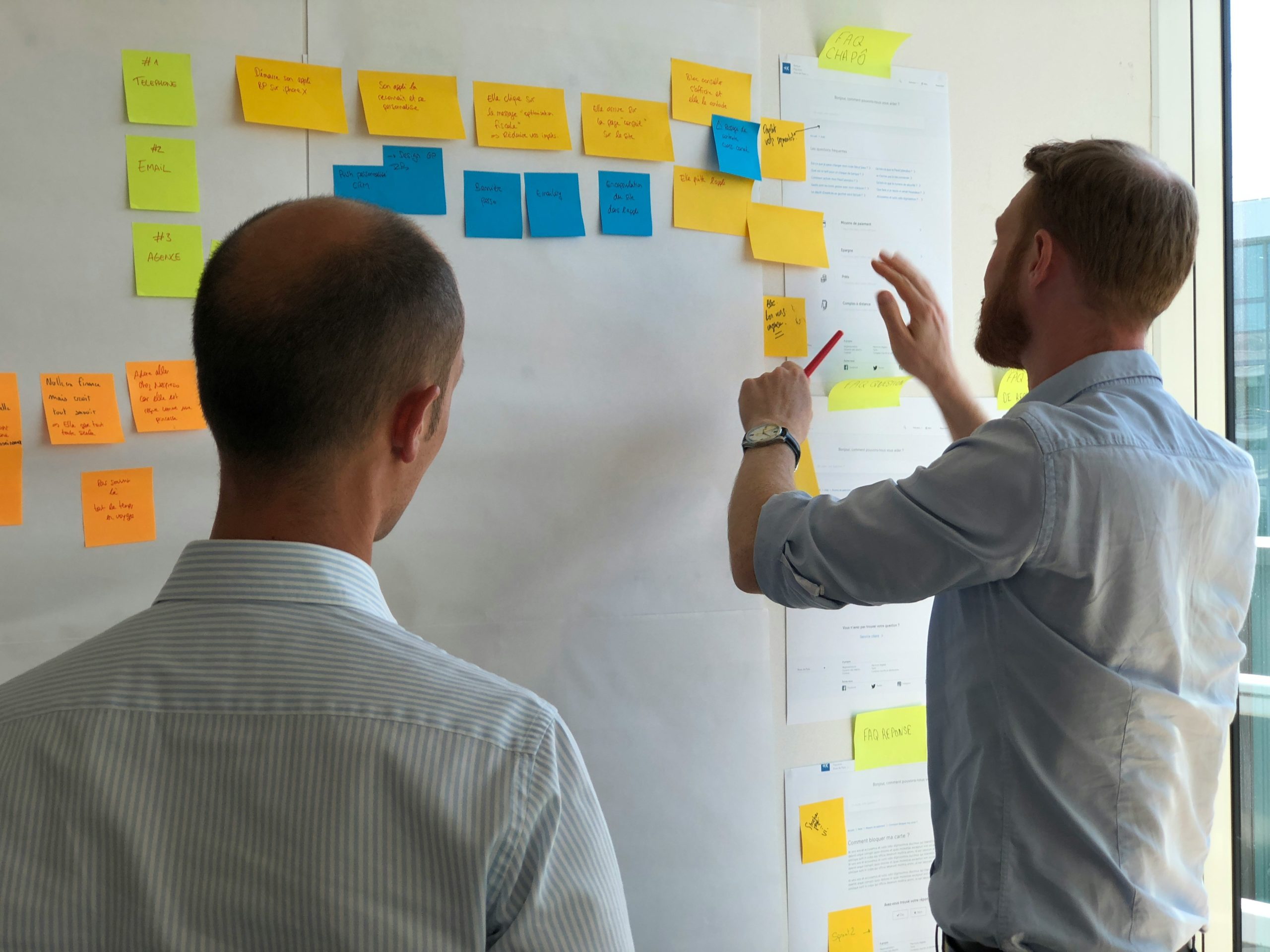
A journey map is a visual representation that outlines the story of your customer’s experience, from initial contact through the process of engagement to a long-term relationship.
You can consider a customer journey map as a tool that allows you to step into your customers’ shoes and see your business from their perspective.
It identifies key interactions that the customer has with your organization and emphasizes the user experience at each point.
To construct an effective map, first develop customer personas.
Personas represent typical customer profiles, including demographics, behavior patterns, motivations, and goals.
Create these profiles based on real data to tailor your map accurately to your customers’ experiences.
Here are the primary components of a customer journey map:
- The Phases a customer goes through (Awareness, Consideration, Decision, Retention, Advocacy).
- The Touchpoints where customers interact with your business (website, customer service, social media).
- The Customer’s Actions, thoughts, and feelings at each phase.
Benefits of customer journey mapping include enhanced customer experience, better customer insights, and improved customer satisfaction.
With a comprehensive understanding, your business can cater to customer needs more effectively and efficiently, leading to increased loyalty and revenue.
Key Components of a Customer Journey Map
When you create a Customer Journey Map, it is essential to include several core components to make it effective and actionable. Here they are for your reference:
Stages: Break down the customer experience into distinct stages, from initial awareness to post-purchase behavior. Stages such as Awareness, Consideration, Purchase, and Loyalty are common.
Touchpoints: Identify all the touchpoints where you interact with customers, like websites, ads, or customer service chats. Documenting these helps in understanding the different mediums of interaction.
Goals: Clearly define what your customer aims to achieve at each stage of their journey. These goals could range from seeking product information to obtaining customer support.
Actions: Outline the specific actions customers take at each touchpoint or stage, such as browsing a product catalog or contacting customer support.
Pain Points: Recognize difficulties that customers might face through the journey. Addressing these pain points can enhance customer experience and satisfaction.
Emotion: Map out the emotional state of your customers at various stages, recognizing that emotions can greatly influence decision-making and brand perception.
Feelings: Dive deeper into the qualitative aspect of emotions to understand the subtle feelings experienced by customers, which can drive loyalty and advocacy.
StageTouchpointGoalActionPain PointEmotional StateAwarenessSocial MediaDiscover BrandsBrowse ContentOverwhelmed by ChoicesCuriosityConsiderationWebsiteEvaluate ProductsRead ReviewsUnclear Product InformationSkepticalPurchaseOnline StoreMake PurchaseAdd to CartComplicated Checkout ProcessFrustratedLoyaltySupport CenterSeek SupportSubmit InquiryLong Response TimesAnxious
By integrating these components into your Customer Journey Map, you can create a comprehensive tool that guides customer experience improvements and informs strategic decisions.
Setting Objectives for Mapping
When initiating the creation of a customer journey map, defining clear objectives is crucial. You must understand what you aim to achieve—this will guide your research and design process.
Identify Your Business Goals: Start by aligning your mapping objectives with your broader business goals. Whether you aim to improve customer satisfaction, increase sales, or streamline services, make sure your mapping objectives support these goals.
Focus on Specific Outcomes: Be precise about what you want to accomplish. For example, you might want to:
- Increase subscription renewals by 15%
- Reduce customer service calls by 20%
- Enhance the online purchasing process
Understand Your Processes: Know the specific customer interactions and touchpoints you want to explore.
Are you looking at the post-purchase phase or the initial discovery and awareness stage? Your objectives should reflect the particular processes you will examine.
Use the following list to identify your mapping objectives:
- Diagnostic: Identify pain points in your customer’s experience.
- Visionary: Envision new service or product opportunities.
- Strategic: Align customer experience with your business strategy.
Establish Clear Objectives: These should be specific, measurable, achievable, relevant, and time-bound (SMART). For example:
- Specific: Improve the checkout process for faster transactions.
- Measurable: Reduce average checkout time by 30 seconds.
- Achievable: Implement two new payment gateways by Q2.
- Relevant: Ensure changes reflect customer feedback.
- Time-bound: Complete the checkout improvements by Q4.
By setting clear, aligned, and achievable objectives, you lay a strong foundation for a customer journey map that provides actionable insights and aligns with your Business Goals.
Creating Customer Personas
When creating customer personas, you start by gathering data through interviews and surveys to learn about your potential customers. The personas should reflect different customer types based on real data, not assumptions.
Data Collection
- Interviews: Conduct with a diverse mix of users to gain qualitative insights.
- Surveys: Send out to a larger audience to quantify behaviors and patterns.
Building the Persona
- Demographic Information:
- Include age, gender, income level, education, and occupation in case of B2C.
- For B2B you may want employee number, revenue, geo.
- Behavior Patterns: Analyze shopping habits, product usage, and brand interactions.
- Goals and Challenges: Understand what motivates your customers and the obstacles they face.
Remember, customer personas are semi-fictional representations of your ideal customers, which means they should be based on real data but accessible and understandable like a story character.
You use this information to craft a narrative that conveys the persona’s background, daily life, needs, and wants.
Keep Iterating: Your personas should evolve with your business and market changes. Regularly update them using new data to ensure they remain relevant and accurate.
Identifying Customer Touchpoints
When creating a customer journey map, it’s crucial that you pinpoint all potential customer touchpoints.
Touchpoints refer to the various moments where customers interact with your brand throughout their buying process. Identifying touchpoints allows you to understand where, how, and when customers come into contact with your brand, ensuring you can optimize each interaction.
Pre-Purchase: The journey begins long before a purchase.
- Advertising
- Social media
- Reviews and referrals
- Website visits
- Customer service inquiries
During this phase, customers are gathering information. Pay attention to your presence on each channel, as these interactions shape first impressions.
Purchase: This is a critical juncture with direct touchpoints.
- Checkout processes
- Sales representatives
- Payment systems
Efficiency and clarity at this stage are imperative as they can greatly influence customer satisfaction and loyalty.
Post-Purchase: Maintaining the relationship post-sale is vital.
- Follow-up communication
- Support services
- Loyalty programs
- Feedback solicitation
These interactions help you maintain the relationship and encourage repeat business or referrals.
Remember, every channel used for interacting with customers can host multiple touchpoints. Regularly review these channels for consistency and identify any new touchpoints that may emerge.
Capturing the Customer Experience
Creating an accurate customer journey map hinges on effectively capturing the customer experience. To achieve this, start by gathering customer feedback this data will serve as the foundation of your customer journey map.
When soliciting feedback, aim to understand your customers’ emotions and expectations at each touchpoint.
It’s crucial to not only note what your customers do but also how they feel. Use a table format to organize and analyze this data:
TouchpointExpected EmotionActual EmotionGap in ExperienceWebsite VisitInterestedFrustratedNavigation issuesCheckout ProcessAccomplishedConfusedComplex procedures
By contrasting expected and actual emotions, you highlight areas in the customer journey that need improvement.
Remember to track both positive and negative feedback, as the goal is to identify patterns that can guide your efforts in refining the customer experience. Create a bulleted list to summarize key points of feedback:
- Website navigation is often non-intuitive, leading to frustration.
- Checkout process generates confusion due to its complexity.
- Positive engagement occurs with customer service interactions.
Your observations must translate into actionable insights. Modify your customer journey map using this feedback to better align with actual customer emotions and expectations. Your map will become a more accurate reflection of the customer experience, which allows you to make confident decisions in service improvements.
Visualizing the Journey
When you create a customer journey map, it’s crucial to visualize the entire process that your customers go through. This visual representation serves as a tool to gain insights into the customer experience, revealing touchpoints and opportunities for improvement.
Begin with a template. Templates provide a structured format for illustrating customer interactions and experiences at various stages. For example:
StageExpectationInteractionEmotionAwarenessLearn about the productVisit websiteCuriosityConsiderationEvaluate optionsRead reviewsInterestPurchaseBuy with easeUse checkout interfaceSatisfactionRetentionContinued supportReceive follow-up emailTrust
By using software designed for creating customer journey maps, you can easily add details, customize steps, and even include real-time data. Popular tools like Smaply, Lucidchart, or Miro offer drag-and-drop elements to capture the essentials of the journey.
Visualize your customer journey map with icons or images that represent different touchpoints. Showcase the emotional state of the customer at each stage by using a color-coded system; for instance, green for satisfaction and red for frustration.
Remember, the objective is to provide you with clarity on customer experiences, helping you to identify areas where your service or product can be enhanced. By visualizing this journey, you will be better equipped to address your customers’ needs and refine their overall experience.
Groove’s Impact on the Customer Journey
Integrating Groove into your customer journey can significantly enhance the customer experience by streamlining support, empowering self-service, enriching interactions, and providing actionable tips for engagement.
Streamlining the Support Process with Groove’s Shared Inbox
Groove’s Shared Inbox simplifies communication by allowing your team to manage all customer emails in one central location. Key Features:
- Assign Tickets: Ensures that every inquiry is directed to the appropriate team member, reducing response time.
- Tagging: Organize conversations by categories for efficient follow-up and analysis.
This centralization helps you at every journey stage, fostering a seamless customer support transformation.
Empowering Self-Service with Groove’s Knowledge Base
Groove’s Knowledge Base gives your customers immediate access to critical information, enabling them to find answers quickly without waiting for support. Advantages:
- 24/7 Access: Customers can resolve issues on their own timelines.
- Reduces Workload: Common questions are addressed in the Knowledge Base, freeing up your team’s time.
Effortless access to information contributes to overall customer satisfaction on Groove.
Enhancing Customer Interaction with Groove’s Live Chat
Live Chat by Groove facilitates real-time communication, providing instant support that enhances the customer experience. Benefits:
- Immediate Response: Live Chat can boost customer satisfaction by offering solutions in real time.
- Personal Connection: This tool can create a more personalized experience, which is critical for building long-term customer relationships.
Utilize Live Chat to personalize your customer journey and elevate the customer lifecycle engagement.
Tips for Maximizing the Benefits of Groove in Customer Engagement
To get the most out of Groove, here are some practical tips:
- Consistent Use: Integrate Groove tools at each stage of the customer journey for consistent support and engagement.
- Automation: Leverage automation for repetitive tasks to improve efficiency and allow your team to focus on more complex issues.
By applying these tips, you can ensure that customer satisfaction remains high and that your team engages customers effectively through each stage of their journey.
Analyzing Customer Insights
Analyzing customer insights is crucial in understanding your customer’s experiences and expectations. Insightful data gathered from various sources allow you to forge a customer journey map that reflects actual customer interactions with your brand.
Identifying Pain Points
Through customer feedback and surveys, you gather quantitative data and qualitative insights that highlight the problems customers face. Pain points could range from simple usability issues to more complex service gaps. Cataloging these issues in an organized manner, such as a table, makes them actionable:
Customer StagePain PointSource of InsightDiscoveryHard to navigateUser InterviewsPurchaseLong checkoutSurvey FeedbackSupportSlow responseCustomer Reviews
Assessing pain points gives you the knowledge to address these areas and enhance customer satisfaction.
Spotting Moments of Truth
Moments of truth are pivotal interactions where customers form a crucial opinion about your brand. Use customer data and user research to pinpoint these moments. An itemized list can effectively showcase where you need to focus:
- First impression on the website
- Interaction with sales or customer service
- Unboxing / initial product use
Acknowledging and optimizing these moments can shift the customer’s perception positively.
Mapping Emotions and Behaviors
Understanding the emotions and behaviors of customers throughout their journey allows for a more empathetic approach to service improvements. You should layer emotional feedback on top of action points, thus giving a complete picture:
Customer StageEmotionObserved BehaviorPre-purchaseCurious but hesitantFrequent site visitsPurchaseFrustratedCart abandonmentPost-purchaseDelightedPositive reviews
Incorporate emotional data from interviews and surveys to paint a full spectrum of the customer experience. This enables you to craft strategies that are not only efficient but also emotionally intelligent.
Optimizing the Journey
When optimizing your customer journey, focus on areas with the greatest potential for improvement. Gather data from various touchpoints to identify bottlenecks that hinder the customer experience. Your actions should be data-driven and targeted.
Steps to Optimize:
- Analyze: Scrutinize interaction data to understand where customers face issues.
- Hypothesize: Formulate solutions that could improve the experience based on your findings.
- Test: Implement changes in a controlled manner to measure impact.
- Implement: Roll out successful optimizations across the journey.
Use the table below to guide your optimization process:
StageAction ItemsExpected OutcomeAwarenessEnhance visibility & clarity of information.Better understanding of your offerings.ConsiderationStreamline options & provide comparison tools.Easier decision-making for customers.AcquisitionSimplify the purchase process.Increased conversion rates.ServiceOffer proactive support & personalized assistance.Higher customer satisfaction.LoyaltyCreate rewarding programs & gather feedback.Customer retention and advocacy.
Stay vigilant and continuously search for opportunities to enhance your customer journey. Remember, even small optimizations can lead to significant benefits in customer satisfaction and loyalty. Keep your strategies customer-centric and your approach agile to adapt to evolving needs and preferences.
Measuring Success and KPIs
When measuring the success of your customer journey map, it’s essential to look at key performance indicators (KPIs) that reflect customer satisfaction and loyalty. Customer Service plays a pivotal role; hence, the quality of support influences customer retention rates.
Net Promoter Score (NPS): This KPI is vital. By asking customers how likely they are to recommend your service to others on a scale of 0 to 10, you gauge loyalty and satisfaction. An NPS can be classified into three groups:
- Promoters (score 9-10): Loyal enthusiasts who will keep buying
- Passives (score 7-8): Satisfied but unenthusiastic customers vulnerable to competitive offerings
- Detractors (score 0-6): Unhappy customers who can damage your brand through negative word-of-mouth
Customer Retention Rate: Calculate this by dividing the number of customers at the end of a period by the number at the beginning, then multiply by 100. Your retention rate reflects the percentage of customers you’ve kept over time, minus any new customers.
PeriodCustomers at StartCustomers at EndRetention Rate (%)Quarterly100095095%
Loyalty can also be measured through repeat purchase rates and membership renewals.
Churn Rate: In contrast to retention, churn rate shows the percentage of customers who have stopped using your service within a certain timeframe. Monitor churn closely; a high churn rate is a warning sign prompting immediate action to understand and address the underlying issues.
- Churn Rate = (Number of Lost Customers ÷ Number of Total Customers at the Start of Timeframe) × 100
Iterating and Updating the Journey Map
When you approach the task of iterating and updating your customer journey map, consider first the map’s current state and any new products or services your company has launched. These updates should reflect the evolving needs of your business goals and be communicated effectively to all stakeholders involved.
- Current State Assessment: Review the existing journey map for accuracy. Identify touchpoints that have changed and note the impact of these changes on the customer experience.
- Incorporating New Products: If your business introduced new offerings, weave these into the map. Ensure that the paths leading to these products are customer-friendly and aligned with your sales team’s strategies.
AspectConsiderationNew ProductsDoes the journey map highlight these effectively?Sales TeamIs the sales process accurately depicted?
- Aligning with Business Goals: Adjust your journey map so that it supports your updated business objectives. This may include optimizing the path to purchase or enhancing post-sales support.
- Engaging Stakeholders: Get feedback from stakeholders such as the customer service team to understand customer pain points that might not have been previously identified.
- Training Teams:
- Sales Team: Equip them with the updated map to improve their understanding of the customer’s path.
- Customer Service Team: They should be aware of the new journey stages to provide better support.
Remember, a journey map is a living document.
Regular updates ensure it remains an effective tool for making customer-centric decisions and fostering a shared understanding across your organization.
Conclusion
The map is not something that you set-and-forget. You will have several versions that will be changing as the time goes.
These changes will be driven by new features in your product, organization changes, news learnings that you get from clients…
Your customer journey map should at any given time reflect the reality, not the past or a projection of the future to come.
5 Help Scout Alternatives: Why Growing Support Teams Switch to Groove
Groove Fixes What Teams Don't Like About Help Scout: Flat Pricing, Built-In AI, and Native SLA Management. See the Full Comparison.
How Helply's Hallucination-Proof AI Eliminates the #1 Fear of AI Customer Support
Customer Support Automation That Hits 65% AI Resolution, Guaranteed. Helply's Action-Based AI, Safe Escalations, and Optimization.