
4 Steps for Conducting a Customer Sentiment Analysis

Are buyers constantly leaving feedback you don’t know what to do with? Customer sentiment and needs should always be aligned. If it’s not, you can leverage feedback to improve the customer experience.
Many businesses are sitting on the untapped potential of feedback, unable to make sense of it all or unwilling to put in the necessary time. Through sentiment analysis, your own business can gain an edge by anticipating customer needs, providing proactive service, and enhancing loyalty.
Sounds good, right? Then what are we waiting for?
What To Know Before Delving into Your First Customer Sentiment Analysis
Customer satisfaction is typically used to measure how happy your buyers are with a specific interaction (like a support request). Customer sentiment is a bit broader. It’s the general impression customers have of your business – what they think about it, how they feel about it, and whether they have an overall positive, negative, or neutral view of it.
If you want to maximize the CX and build loyalty, you’ll need to understand what buyers feel and why they feel that way. Customer sentiment analysis employs various techniques to get those answers. It can be used to understand feelings towards your business as a whole, or towards a specific product, feature, or aspect of the CX.
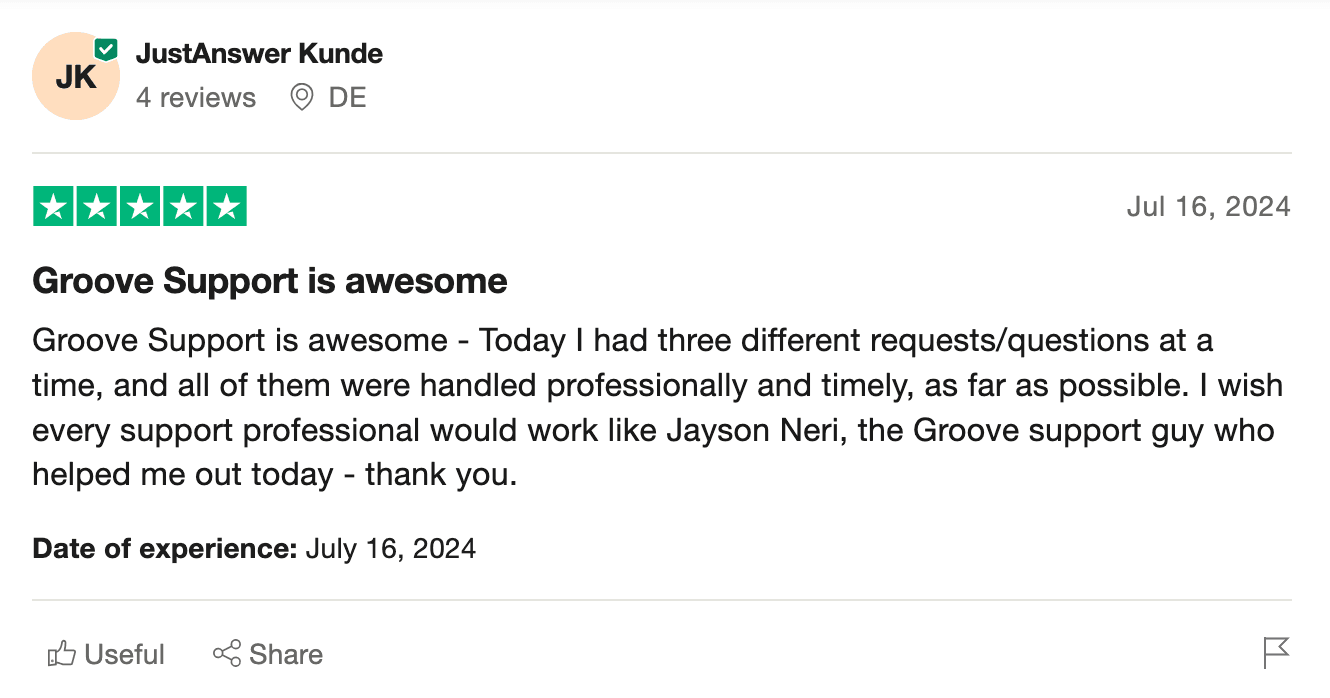
Here’s an example of a positive sentiment:
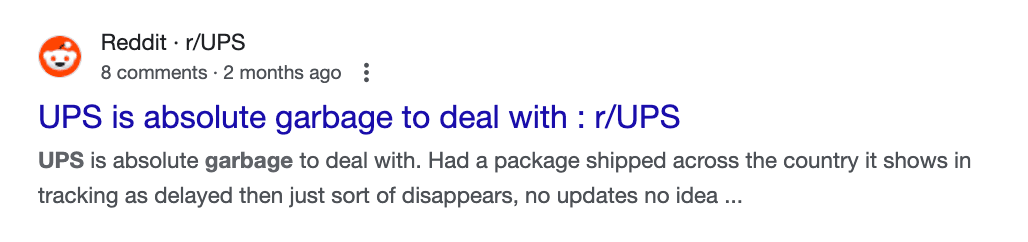
And an example containing explicitly negative phrasing:
A neutral sentiment is more rare, but might look something like this:

The goal of sentiment analysis is to identify customer needs and optimize the CX around them. It’s a quantitative measure of qualitative feedback – friction, pain points, etc.
Perhaps you’re trying to understand how customers feel about your customer service team. You’ll need to analyze the feedback they leave via emails, surveys, reviews, and so on, specifically as it relates to customer service.
Through sentiment analysis, you can also better understand the entirety of the customer journey. We would highly recommend mapping the customer journey and putting tracking in place prior to conducting sentiment analysis.
Common Types of Customer Sentiment Analysis
Different types of feedback (survey versus product review) and emotion (intent versus experience) correlate to different models of sentiment analysis. Let’s look at four approaches you can try or combine.
Fine-Grained
Fine-grained sentiment analysis is useful for making sense of reviews and ratings. Let’s say your sentiment analysis is performed on a scale of 1 to 10. You can think of 1-2 as “very negative”, and 9-10 as “very positive”.
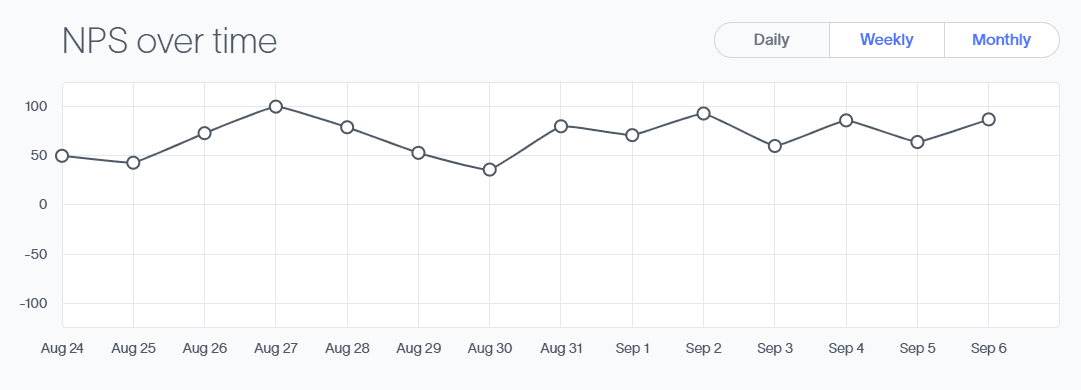
Sentiment is then measured across these categories: very negative, negative, neutral, positive, and very positive. Fine-grained analysis is particularly well-suited to metrics gathered via ranked survey, such as Net Promotor Score (NPS).
Aspect Based
What do customers feel, and why do they feel that way?
Fine-grained analysis shows the general leaning of customer feelings (are they positive or negative?). If you want to dig deeper into the content, you’ll need to use aspect-based analysis.
Aspect-based sentiment analysis assesses the topics people are discussing in relation to your brand. For example, let’s say you sell B2B shipping software.
A customer leaves a review saying there’s “a lack of integrations with shipping companies like Purolator and FedEx”. This depicts a negative sentiment towards a specific feature (or lack thereof, in this case). Even the word “lack” depicts a negative sentiment toward your product’s integration options.
Intent Analysis
Intent analysis is all about — drumroll please — understanding customer intent. It helps you target the right audience, those with actual plans to purchase a product like yours.
This form of sentiment analysis evaluates whether the customer wants to make a purchase, or is merely in the consideration stage of their journey. It digs in to the intention behind a comment or piece of text. Why waste time targeting an audience segment that has no intent to ever convert?
Alternatively, if a customer segment does express intent to purchase your product, you can create targeted content, advertising, and other marketing campaigns designed specifically for them.

And of course, you can consider other ‘intents’ as well. In the above example, the buyer shows clear intent to return a product, indicating the degree of their negative sentiment towards it.
Emotion Detection
The emotion detection model helps you identify anger, frustration, anxiety, happiness, regret, and confusion in the feedback you receive.
If you’re using a program or tool for sentiment analysis, it will typically employ highly-advanced machine learning algorithms. If you conduct sentiment analysis manually, you can rely on language processing to evaluate words or phrases from a lexicon. However, that does increase the risk of inaccuracy.
On the other hand, at least some manual analysis is helpful for getting at the nuances of language. Machine tools aren’t always the best at identifying slang and other non-literal phrasings.

“This software solved all the needs of my business, I couldn’t be more thrilled to recommend it to my partners” shows an obvious positive sentiment. However, a phrase like “This marketing software is insane” shouldn’t be taken quite as literally.
4 Steps for Conducting Your First Customer Sentiment Analysis
Now that you have a better understanding of what kinds of sentiment analysis are possible, it’s time to break down the process. First, you’ll need to equip yourself with tools for collecting and processing data across various channels.
Step #1: Equip Yourself with Tools and Resources for Collecting Data
The right sentiment analysis tools help you automate or at least simplify most of the necessary data collection. There are a lot of options out there! We’ll highlight a couple of the more affordable, easy-to-use tools for beginners.
First, if you haven’t already, we recommend setting up a help desk for your customer support team. Not only is it a useful platform for improving many service tasks, but it also enables you to collect feedback from buyers directly
A help desk allows your support team to streamline all customer interactions. So you wind up boosting satisfaction ratings and positive sentiment concurrently… and that’s where Groove comes in.
Groove: An All-in-One Platform for Helping Customers and Collecting Data
Groove is our comprehensive help desk tool, designed specifically for the needs of small growth-focused businesses. It’s a platform that increases support efficiency and drives customer satisfaction. Plus, it helps you track customer sentiment.
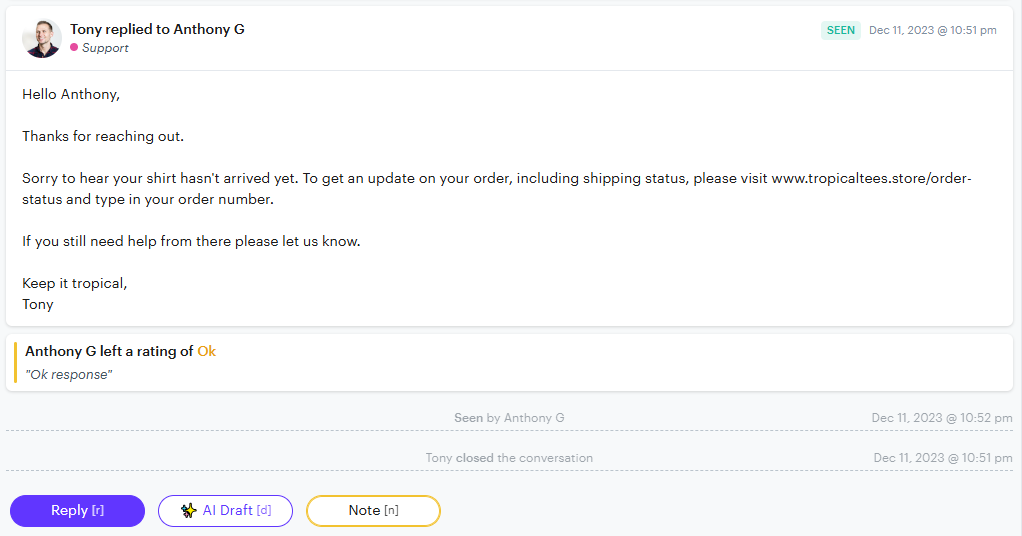
Groove reporting dashboards turn qualitative feedback and emotion (perception toward your brand) into quantitative data. This allows you to measure customer sentiment and transform those findings into actionable insights.
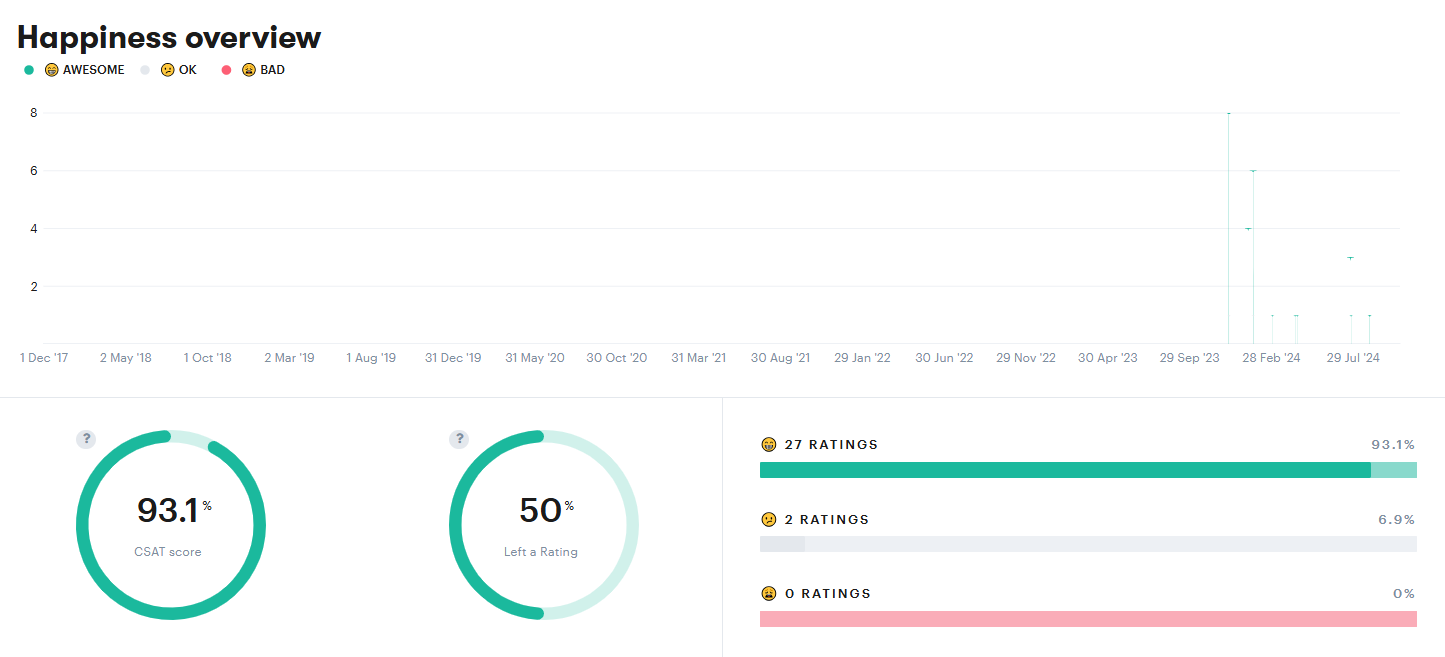
From your Reports dashboard, you can access Customer Satisfaction (CSAT) ratings across users and monitor the performance of specific agents. You can then compare this data against customer service metrics that evaluate productivity.
If you notice that emails are going unanswered, for example, this may be a root cause of negative sentiment toward your customer service and your business overall. And you may see that reflected in a poor CSAT score (0-40%).
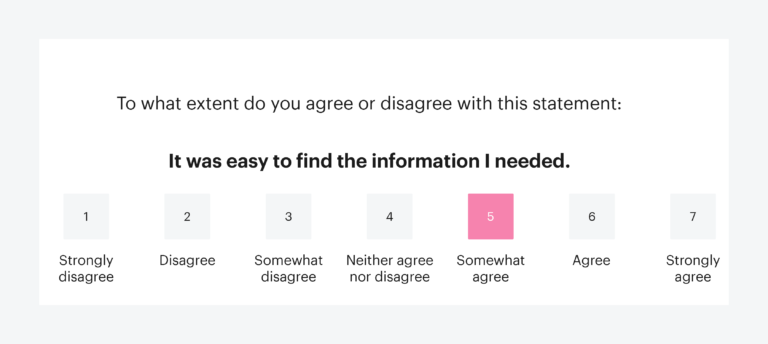
Groove also helps you evaluate how your self-service resources, such as your knowledge base, affect sentiment. Are people using those resources and deriving value from them? Or does your documentation confuse potential buyers and scare them away?
If you’ve never used a help desk before, Groove is designed to make the switchover as quick and simple as possible. You can connect up your existing support addresses in minutes, along with other channels like your phone support, live chat, and social profiles. With all communications and feedback in one place, you’re in a stronger position to gather sentiment insights based a large and diverse data set.
Brand24: A Granular Sentiment Analysis Tool
Sentiment analysis tools use biometrics, text analysis, natural language processing, and artificial intelligence to pull emotional content from written text. Once you have that information, you can dig into it and assess where changes need to be made.
Most of these tools have budget-friendly options, so they don’t need to break the bank. Brand24 is a good example – an online media monitoring tool that can perform sentiment analysis focused on your brand.
It allows you to track sentiment in messages not directly addressed to your business (i.e., that you might otherwise miss). You can also analyze sentiment as it relates to competitors, to see how your business fares against others in your niche.
The media monitoring tool allows you to monitor specific campaigns, measure reach and number of mentions, and filter mentions by channel:
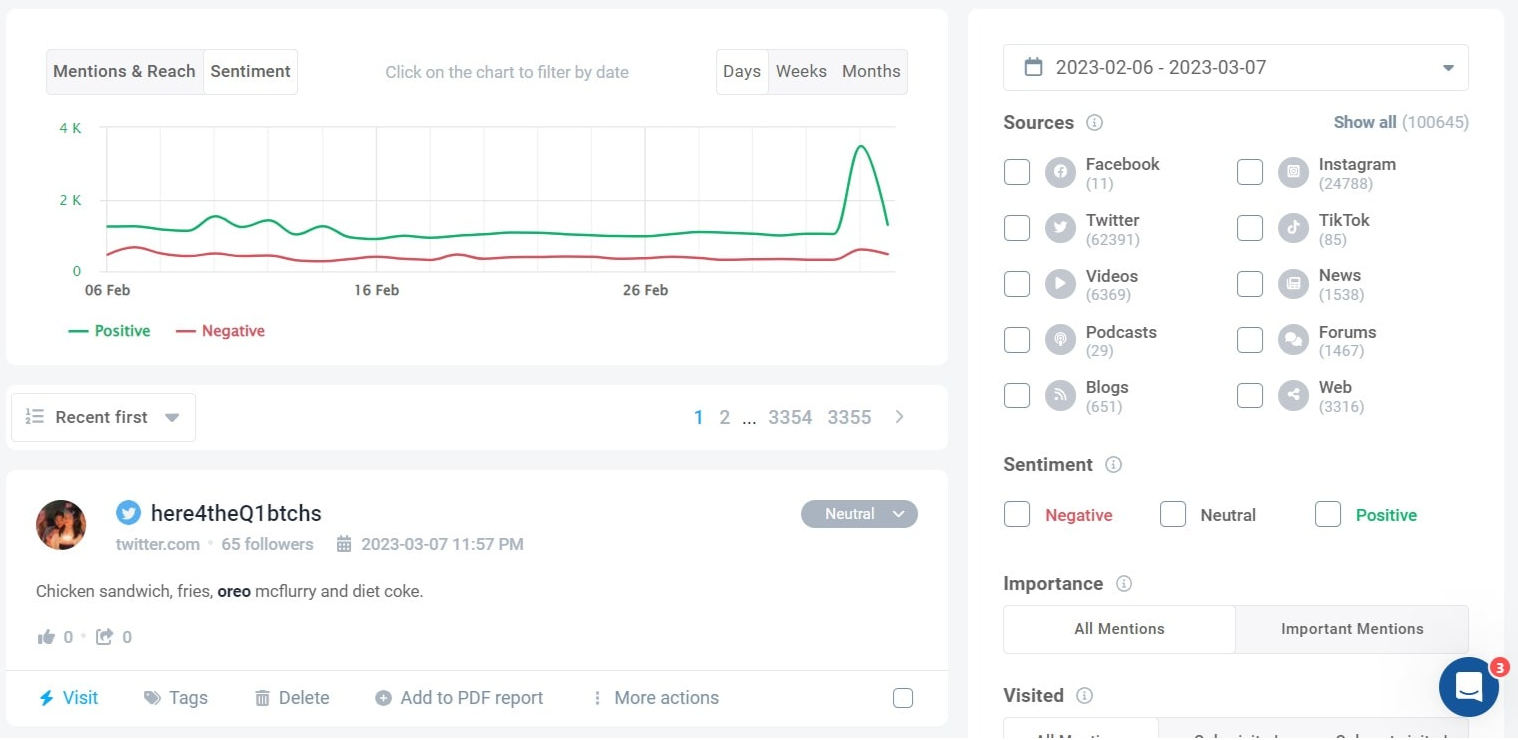
With the sentiment analysis features, you can identify which (and how many) mentions are positive, negative, or neutral in real time:
As a side effect, this also facilitates immediate engagement in conversations. If people are expressing negative opinions of your brand, you can jump in and address those concerns head-on before they escalate and damage your reputation.
To sum up, here’s how this kind of tool assists in sentiment analysis (and more):
- An alert system notifies you of any changes in discussion volume or mentions. For example, you can monitor negative mentions from high-traffic social media profiles or accounts.
- Any publicly available mentions online are collected and transformed into data, including from social media, forums, websites, news sites, articles, blog posts, customer reviews, aggregate review sites, videos, and podcasts.
- Advanced machine learning algorithms and NLP (Natural Language Processing) techniques analyze text in real time and assign the appropriate sentiment automatically based on the words or phrases used.
- Analytics allow you to see how often people discuss your brand or competitors. You can leverage this to track social media reach or influencer impact.
Step #2: Collect Customer Feedback Across Multiple Channels
Gathering feedback can be a laborious process – but it doesn’t have to be! As we’ve seen above, the right tools make data collection a (mostly) automated process.
Customer sentiment analysis starts with digging into the feedback gathered across various channels. Along with social media monitoring and customer surveys, you may want to incorporate feedback gathered via reviews, on-site forms, official or non-official forums, and so on.
Whatever channels you focus on, an effective sentiment analysis relies on collecting a comprehensive range of data. This information can be in various formats as well. Text is easiest to analyze and automate. But there may be valuable details to find in audio or video feedback too (which might require more manual work).
You can also break the relevant feedback down into a few broad categories. Customer satisfaction surveys and feedback forms are ‘structured’ sources of data – there’s a concrete hypothesis being tested, and guiding questions for the participant.
On the other hand, social media feedback and online reviews are ‘unstructured’ data – providing raw and unprompted thoughts. The customer has gone out of their way to leave feedback without being nudged by your business. It might be less immediately relevant to your concerns/goals, but it’s more genuine and can reveal unexpected insights.
It’s crucial to gather both structured and unstructured data. As we saw above, a tool like Brand24 is essential for the latter type.
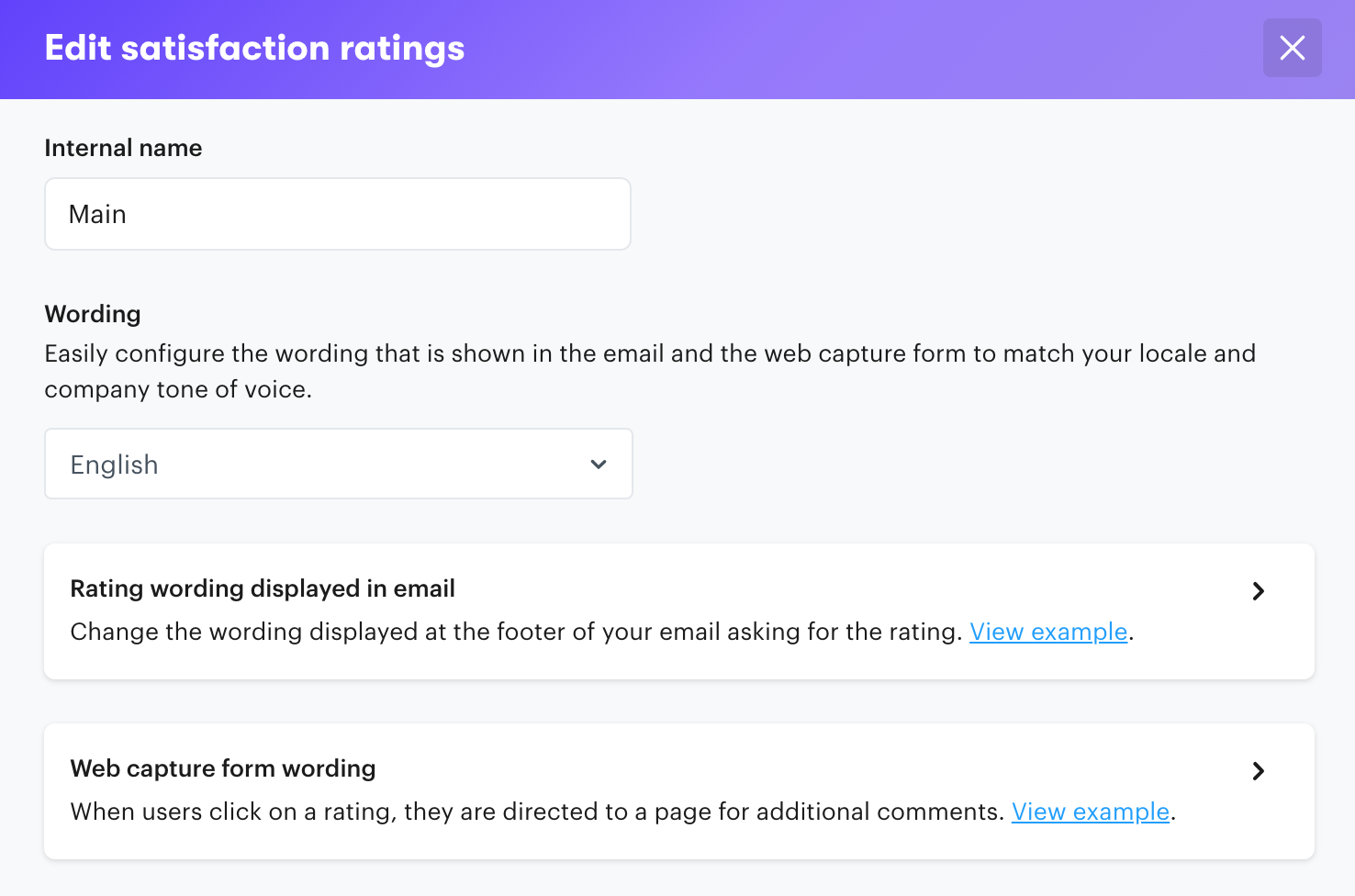
Groove provides the former, with feedback collected through CSAT, NPS, and CES surveys. Since Groove integrates with survey platforms like Delighted and Typeform, you can also create more comprehensive questionnaires that explore specific issues.
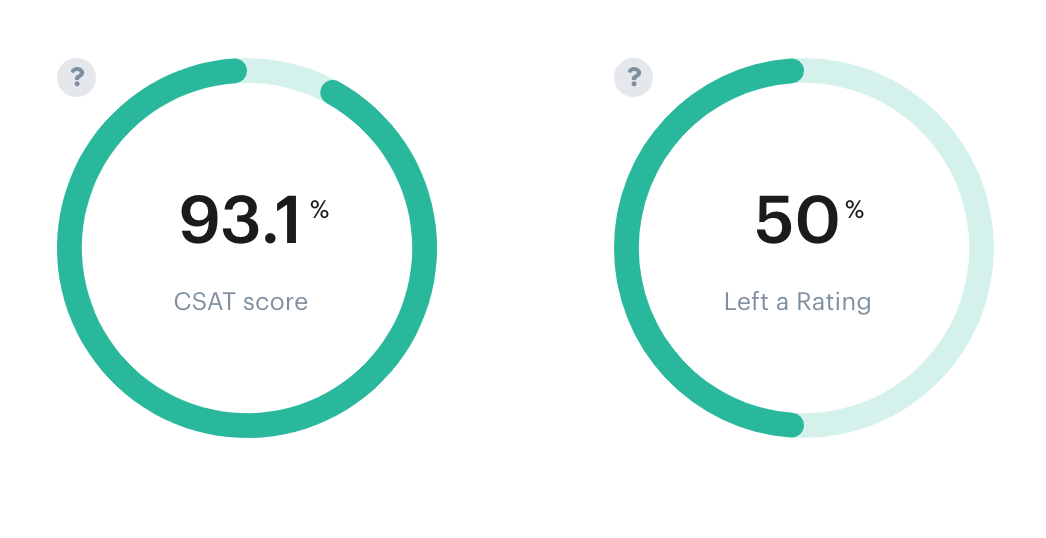
When responding to surveys, buyers share their feelings about support interactions. You can put that into context by also gathering data – such as the CES (Customer Effort Score) – that monitors the work required from the customer before a problem is resolved.
How much effort must they exert to get a question answered or product returned? Obviously, the ideal answer is ‘as little as possible’. This kind of survey is useful for monitoring the efficiency of your active support and your proactive self-service resources.
Finally, don’t forget that your team can provide valuable context as well. Taking time to solicit their own feedback provides first-hand insights into consumer pain points, and can guide where you focus your sentiment analysis.
Step #3: Analyze Data To Determine Key Drivers in the Customer Journey
We’ve come a long way already, so let’s quickly recap the goal. A successful sentiment analysis helps you better understand points of friction across the entire customer journey, from pre-purchase to loyalty. And it helps you identify changes you can make to reduce that friction and improve sentiment.
With that in mind, it’s time to start exploring all the data you’ve gathered. As we mentioned earlier, you can do that manually and via tools – you’ll generally need a mix of both, based on the amount and types of information you’re working with.
Manual Sentiment Analysis
How you conduct manual sentiment analysis will depend a lot on your goals, team size, existing processes, etc. Here’s one workflow you might try:
- Creating spreadsheets or using another platform to collect everything in one place
- Reading through each bit of feedback carefully, and using fine-grained or aspect-based analysis to determine the overall sentiment (positive, negative, or neutral) based on the tone and language used
- Collecting feedback into categories based on the main subjects/keywords mentioned, such as product quality or customer service
- Reviewing each category for the overall sentiment, as well as common themes and trends in feedback
- Using the results to brainstorm changes that will improve areas dominated by negative or neutral sentiment
- Turning the data and suggestions for each category over to the team member or department best positioned to identify and action effective solutions
For instance, let’s take a look at this review:
“I’ve been a subscriber to [Sprightly] for a few weeks now. It’s a great, affordable option. And once you get used to it, it’s not too hard to use. However, the amount of lag between calculating different rates turns me off from relying on it moving forward. It would be perfect if the app were faster, but as-is it’s a bit frustrating.”
This feedback offers insights into a few potential categories. You might file it under:
- Category: Pricing; Sentiment: Positive
- Category: Ease of Use; Sentiment: Neutral
- Category: Performance; Sentiment: Negative
Then you can analyze the review alongside others that mention the same topics. Do a lot of customers complain about performance? Or is this a one-off issue? Are there any positive sentiments about performance that balance out the negative ones, or is there an overall consensus?
While doing this, don’t forget to gather positive trends too! While you’ll likely focus on negative sentiments, positive feedback shows you what you’re doing well and shouldn’t change.
Tool-Based Sentiment Analysis
Automation can’t do everything, but it can keep your workload manageable. Along with Brand24, there are plenty of tools that offer affordable options for sentiment analysis based on machine-learning and natural-language processing, such as:
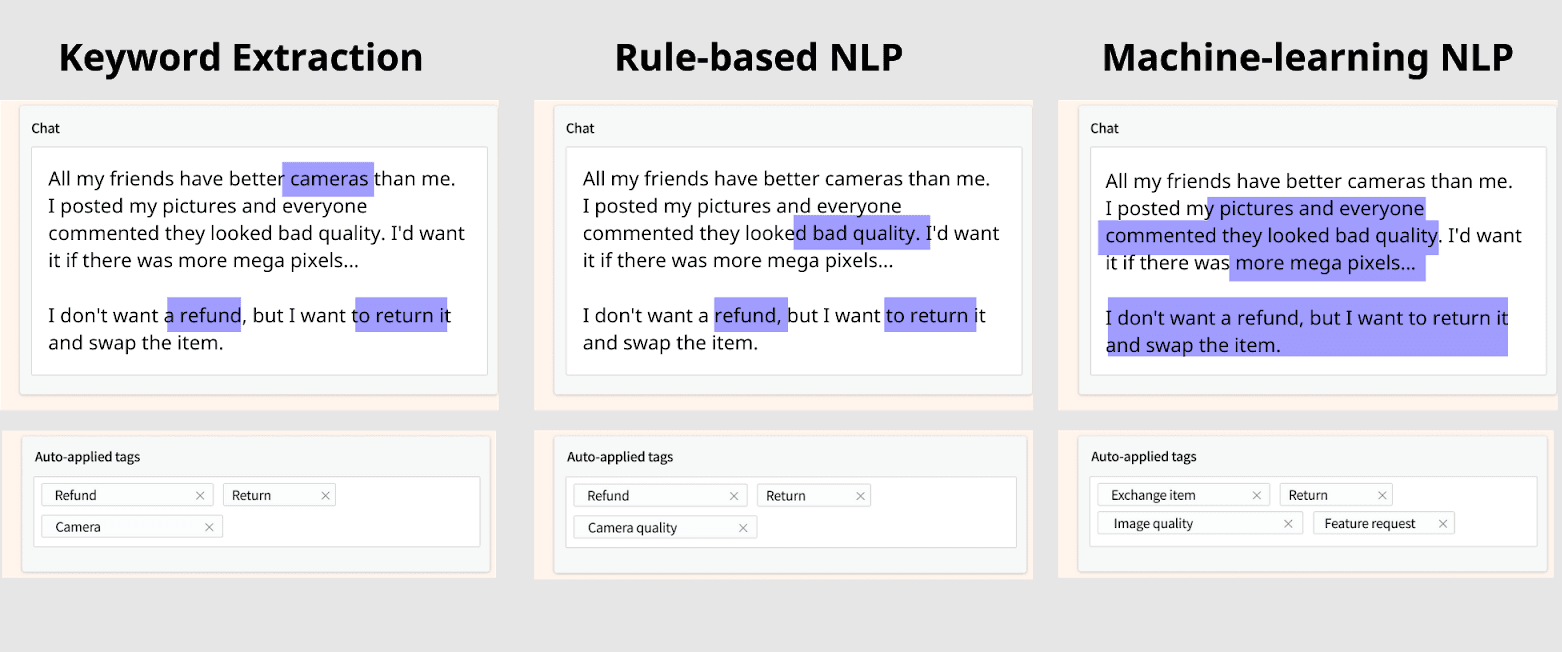
Delighted, for example, can be used to tag open-ended NPS responses. Sentiments about the customer service experience could be tagged with “care”:
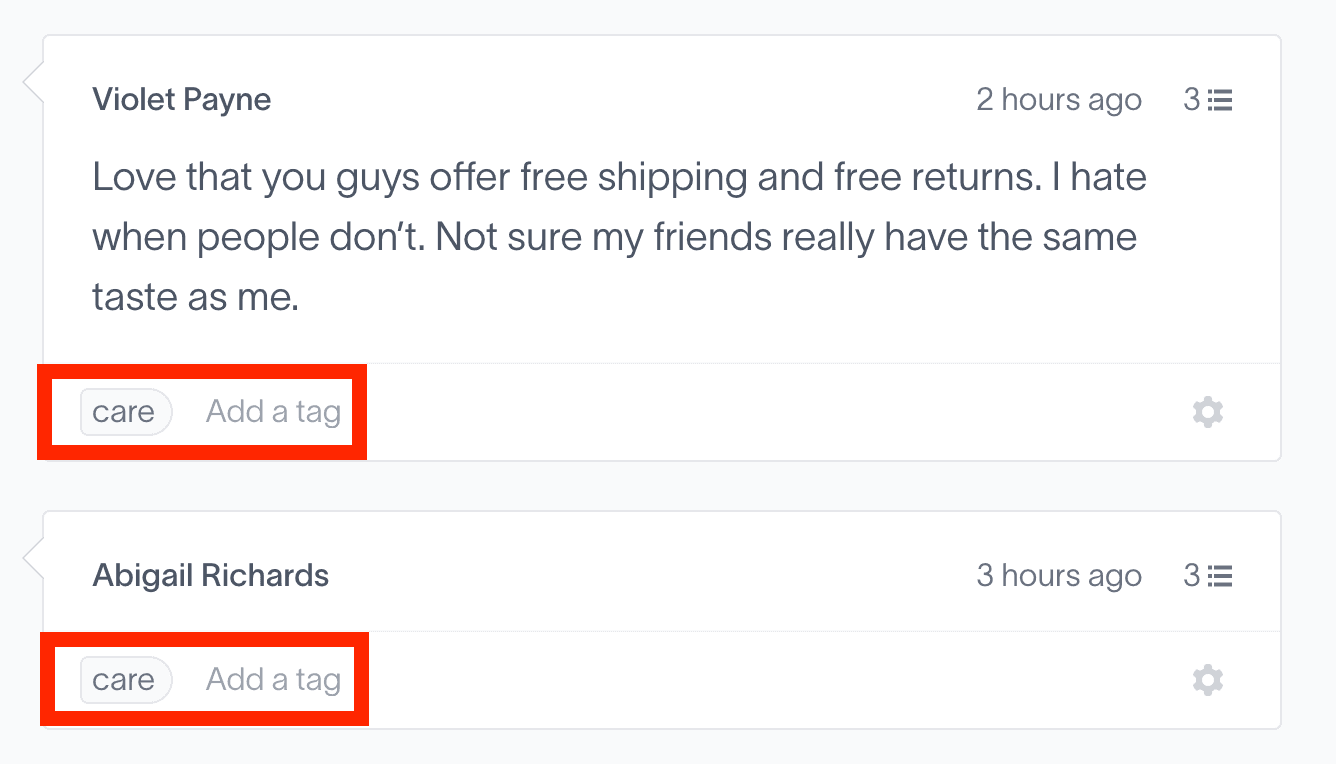
Tags make it easier to identify the most common feelings and complaints. Those can be compared with sentiment scores to understand what is driving positive or negative sentiment.
Delighted allows you to do this in a number of ways. You can:
- Access a pivot table report on all NPS responses, organized by properties, sentiment, and data trends
- Segment survey results using “properties” based on product data, customer type (premium vs. free), or new customers vs. existing buyers (how do experiences differ based on the customer journey stage?)
- Search specific keywords to see feedback and scores only for relevant segments
- Identify which segments are most likely to be “promoters”
- Identify which issues are most prominent and create the largest number of “detractors”
- Compare your NPS rating to industry-specific benchmarks
- Monitor which channels (email, social media, etc.) result in the highest number of “promoters”
- Monitor specific improvements to see how they improve NPS scores over time
For best results, you can set up Delighted integration through Groove, letting you send and track NPS all in one place. This data will be linked back to customer interactions in your inbox, so you can reach out to unhappy buyers as soon as you have a solution for them.
Step #4: Improve the Customer Experience Using Analysis Results
Sentiment analysis isn’t a one-and-done task. It’s best performed regularly. At the same time, it’s only useful if you put what you learn into action.
Once your current analysis is done, and you better understand how customers feel about your product or service, you need to take action to remove friction and eliminate pain points. This process will depend heavily on the information you’ve gathered, but the overall priority is to address problem areas and increase positive sentiment.
Whenever possible, the best solutions are concrete, specific, and noticeable. For example, if you find that customers aren’t using a specific feature effectively, you might trigger an automated tip in-app, or direct them to a self-service resource via automated email. You could also improve the feature itself to make it more user-friendly.
Whatever changes you make, they should also be targeted to the appropriate customer segment and customer journey stage. Effective segmentation places customers into distinct groups that share characteristics (e.g., in-app behavior) to enhance their personal experience and boost product or feature adoption.
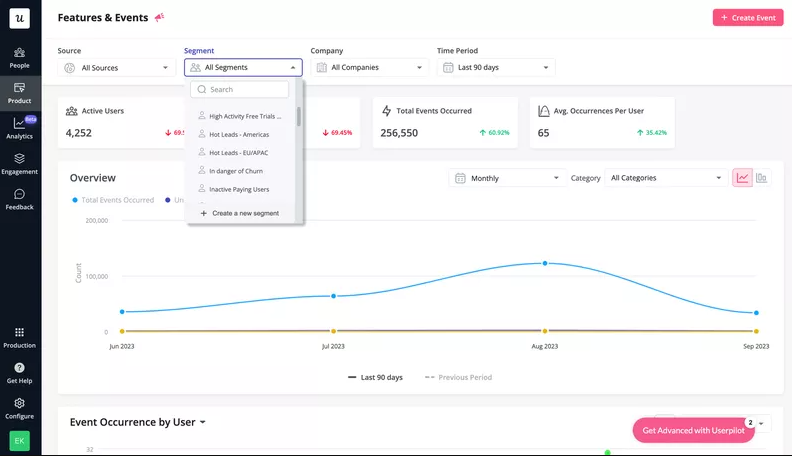
Another way to leverage what you’ve learned is to identify customers who are likely to churn, and proactively reach out. If a certain type or category of negative sentiment tends to predict cancelled subscriptions, you can make broad changes in light of that feedback. But you can also follow up with the individual buyers via email or social media, to offer solutions and ensure that they feel heard.
This is also a good time to put a schedule in place for future sentiment analysis. It should be conducted periodically to help you better understand customers and measure implemented changes. You might set up regular reviews twice a year, for example, and then conduct ad-hoc analysis at important points (such as after a new feature update).
Improving Customer Sentiment via Top-Quality Support
Customer sentiment analysis provides rich insight into personal preferences, emotional responses, and user behavior. It allows your business to identify common themes and trends in feedback collected from customer reviews, social media mentions, and satisfaction surveys.
One of the best uses of customer sentiment analysis is to improve service quality. Sentiment data can pinpoint specific product features or touchpoints that are underperforming and driving customer dissatisfaction.
If your customer service is a source of negative (or even neutral) sentiment, it’s time to consider a more robust solution. Groove facilitates better support through a unified inbox, reporting, automation, self-service resources, and many integrations – all housed in an intuitive, streamlined interface.
Check out the free trial, and see how it can help your support team keep customers happy!
What Is Intelligent Customer Experience? (Plus 5 Steps for Making It a Reality)
You’ve poured your heart and soul into creating a product you’re proud of. But lately, you’ve noticed a troubling trend. Your customers aren’t as engaged as they used to be. And your poor support team? They’re drowning in a sea of tickets. Success isn’t just about having a killer product. It’s about providing exceptional experiences […]
How To Develop a Winning Digital Customer Experience Strategy
Finding it difficult to determine how customers interact through your digital channels? Maybe your buyers have a hard time moving from one channel to the next with your brand? If your business fails to create a personalized experience across all channels, you’ll face low engagement rates, high bounce rates, and hampered customer satisfaction. The solution? […]