
How To Develop a Strong Customer Service Policy

Is your service team struggling to respond to customers in a consistent way? If everyone has a different approach to handling returns or refunds, it’s hard to maintain standards and keep buyers happy.
As your business hires new team members, it becomes increasingly important to establish a firm set of actionable guidelines. Agents need to know how to handle specific tasks, and how to approach more unusual situations.
With a concrete customer service policy, they’ll know what level of action they should/can take to rectify problems. Can they offer discounts and promotions? Is there a uniform process for all returns, or are there unique exceptions?
Let’s explore what an effective customer service policy looks like, and how to create your own!
What Is a Customer Service Policy?
A customer service policy outlines codes of conduct related to the support your business provides. As such, it serves as an internal guideline for employees, telling them what they should do in a given situation. Those situations can include everything from tackling returns to technical troubleshooting.
If you’ve ever managed a customer service team (or worked on one) you’ve probably followed a set of rules or guidelines when you respond to customers. A customer service policy is exactly that. It defines the scope of what is and is not covered by your service department, and establishes consistency.
These policies may be passed along verbally, or provided in the form of a written manual. Other businesses maintain them within a team-wide collaboration tool or an internal knowledge base.
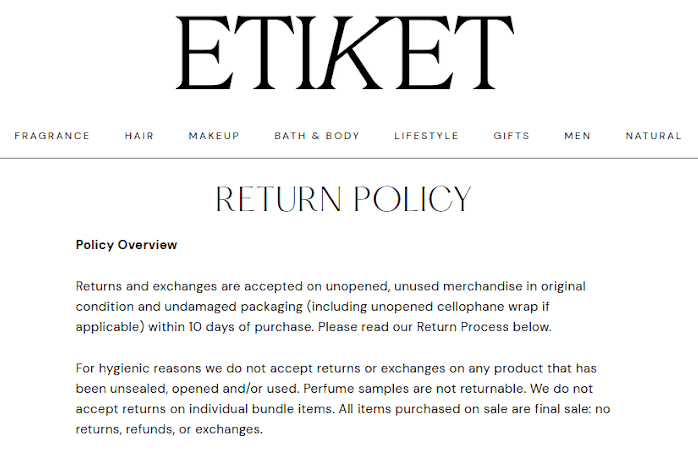
Some companies post their policies directly on their websites, to set a baseline for customer expectations. Components of an internal customer service policy can always be repurposed as customer-facing resources – such as cancellation, refund, or return policies.
What Does a Customer Service Policy Look Like?
Let’s take a look at an example pulled from an official government website – Ontario’s “Accessible Customer Service Policy”. It outlines guidelines for providing accessible customer service to those with disabilities:
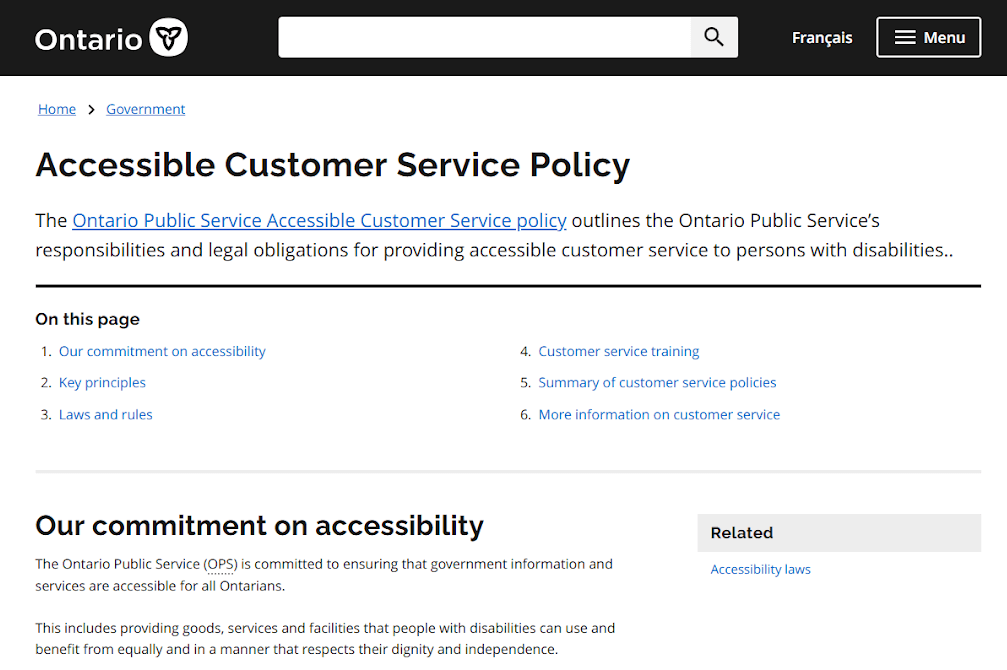
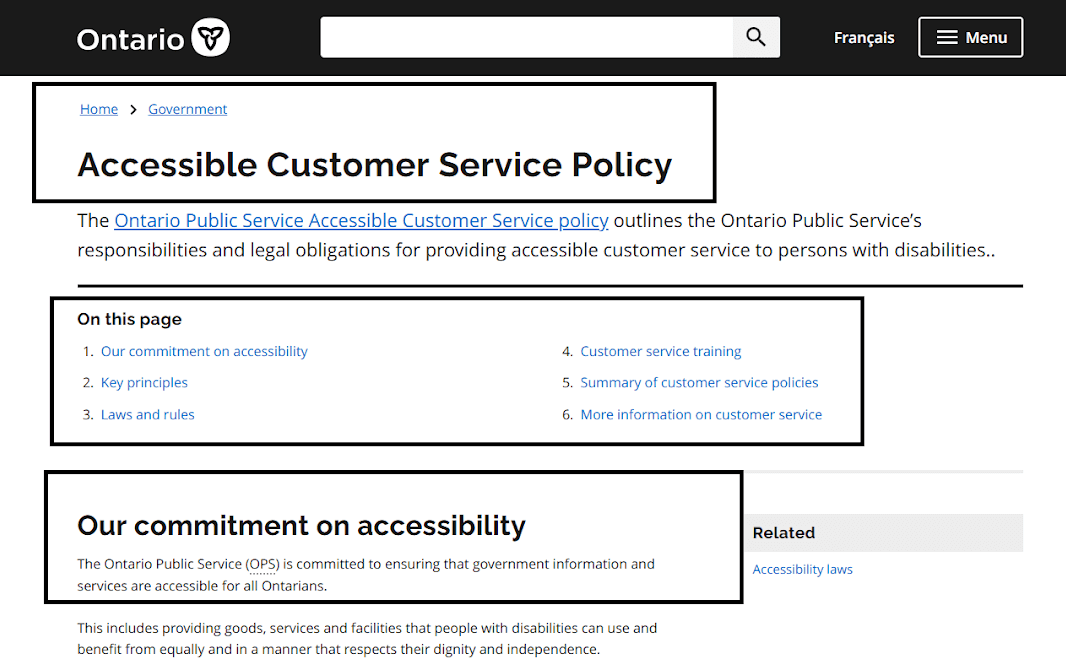
The document is titled in a very clear way. Next, it’s broken down into key topics that relate specifically to customer service: principles, laws and rules, customer service training, and a summary of service policies.
Broader topics aren’t covered. The policy does go into standards and rules set out in legislation, but only as they relate specifically to customer service:
Here’s an example of another accessible customer service policy, from material handling company Zelus. Again, broad topics like an employee code of conduct aren’t covered. The focus is (and should be) strictly on topics that relate to the customer service team.
How Is a Customer Service Policy Different from an SLA (Service-Level Agreement)?
While there are minor similarities between the two, SLAs (Service-Level Agreements) are quite different in form and function.
The term SLA is usually used by IT departments to outline service commitments. It includes the metrics by which that service is measured. As a general example, SLAs can be used internally between a business and an outsourced IT department or web developer to define when projects will be delivered or issues will be resolved.
However, many SaaS businesses implement service-based SLAs to define a standard of service for all of their customers. This could be a commitment to 99.5% uptime:
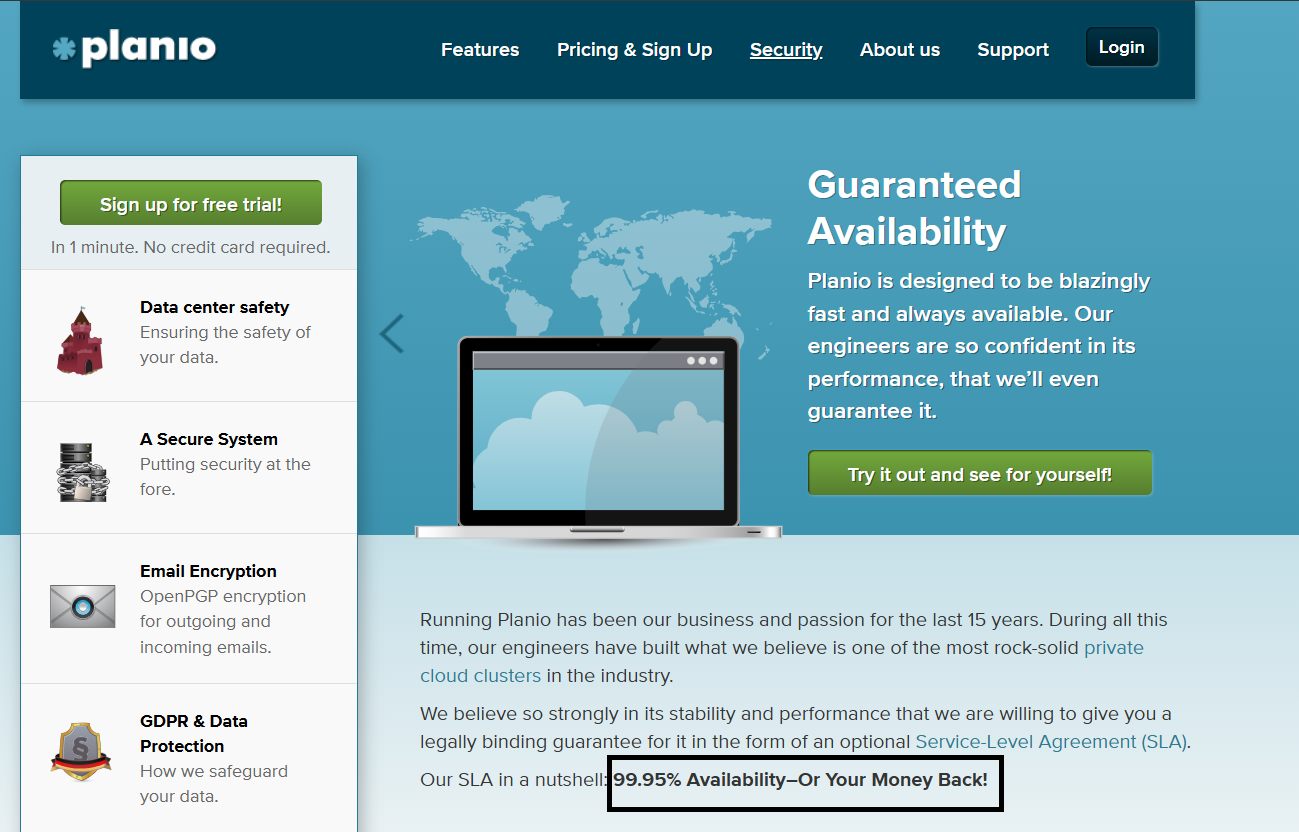
If the business fails to meet that standard, they’ll provide compensation as outlined in a contractual agreement (usually in the form of account credits).
In comparison, a customer service policy is an internal resource for your staff. It sets the standards for customer-facing interactions, and outlines all of the procedures involved in customer service. However, if your business has SLAs in place, you may need to reference them within your customer service policy.
What Are the Benefits of Creating a Customer Service Policy?
Every business has at least some expectations for its support team. But often those expectations are relayed verbally, assumed, and/or inconsistent.
Taking the time to think through the scenarios and create a clear, defined customer service policy offers many advantages over an ad-hoc approach:
- Establish consistency. Different agents interpret things differently. There’s nothing inherently wrong with that. However, this can result in a very different customer experience or level of care between agents.
- Communicate core values to customers and staff. A well-defined policy demonstrates that your business values and prioritizes the happiness and satisfaction of the customer.
- Guide customer service staff through important processes. A clear, well-defined policy should provide concrete guidelines on how agents will handle specific situations. That way they don’t have to resort to problem solving on their own nearly as often.
- Motivate your customer support team. It’s easier to stay motivated and provide the highest standard of care when expectations are clear and consistent.
- Improve customer retention. Acknowledging the customer as the most important part of support fosters trust and credibility. Customers can tell when you make them a priority.
- Drive improvements in efficiency, first contact, and response time. Your business can set benchmarks or standards, and measure changes within customer service against them.
- Scale customer service team operations. If your business experiences growth, you may get an influx of service tickets. Well-established policies guide your team through increased demand, and act as a self-service resource when training new staff members.
5 Steps To Develop Your Business’ Customer Service Policy
The end goal of any customer service policy is to guide support staff through all common scenarios with customers, while maintaining organizational values. A strong policy should prioritize the customer at its core, with a focus on improving retention.
Certain working parts of a customer service policy might vary, depending on the nature of your business. For example, a B2C retailer that sells home goods will have a different focus (return policy) than a B2B SaaS (technical support). But the overall process of developing your policy remains the same.
Step #1: Identify The Needs and Expectations of Your Customers
This is where you’ll identify what customers need and expect. For example, will they need to send back merchandise if they receive it damaged or defective? That’s one essential component of customer service as a retail business.
Your team, even if small, will be faced with the same kinds of situations on a regular basis. If you outline how to handle each of those situations, they’ll be better prepared to provide a consistent level of service.
A customer success strategy is one way to develop and pinpoint what buyers need from your business in order to be happy. There are a number of ways you can build one, and its a great place to start.
You can also ask your customers if their needs are being met. No one knows what they need better than they do. A mix of automated customer satisfaction surveys and targeted long-form questionnaires tells you what they want, and whether they’re getting it or not.
Step #2: Incorporate Your Company’s Values and Vision
A customer service policy must reflect your brand honestly. You should know what your company’s values and vision are at this stage, even if you don’t know how to incorporate them yet.
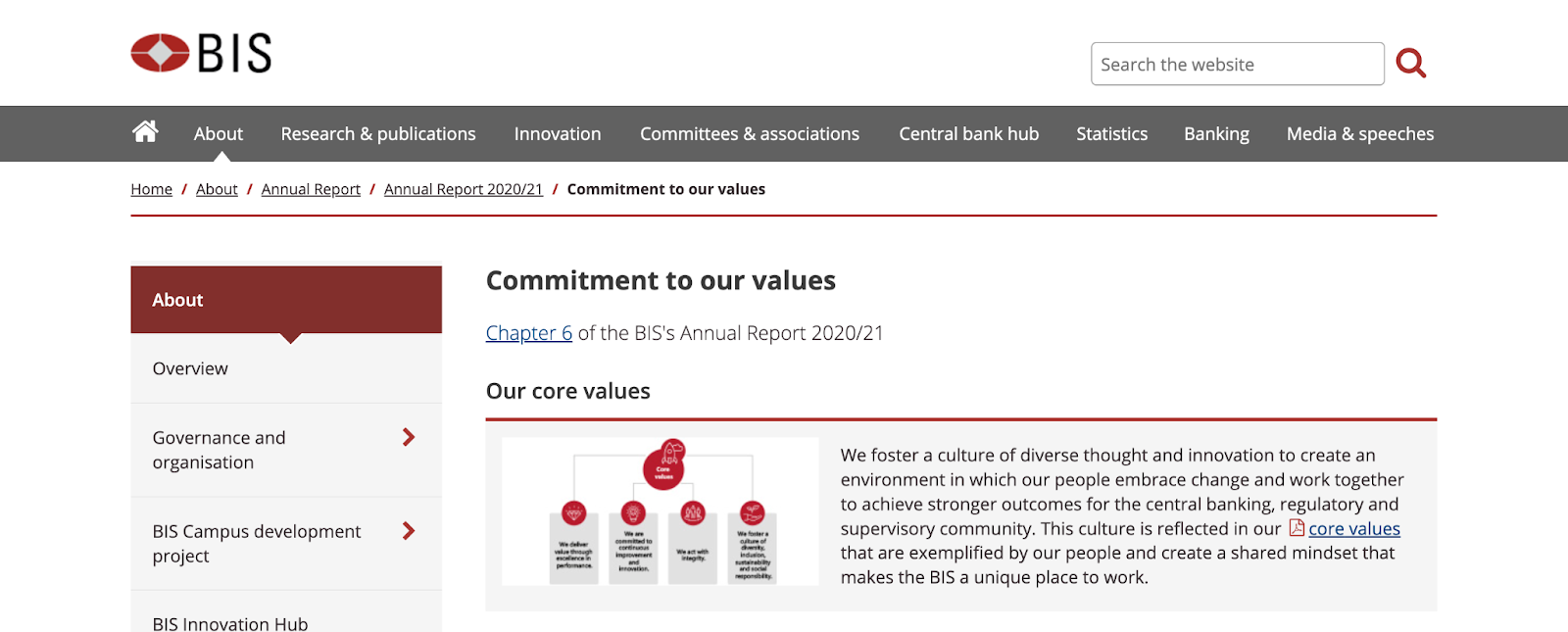
When framing your customer service policy, consider the long-term goals you want to achieve. Are you focused on improving customer retention through impeccable service?
If that’s your brand’s vision and identity, your policy should reflect it. Consider questions like:
- Can you provide agents with the capability to go above and beyond (e.g. special offers, compensation) to align with this vision?
- In those situations, do they know how to make judgement calls that align with your overall mission?
- Do they have the tools at their disposal to do this effectively?
Conversely, if your business’ priority is being environmentally friendly, how does that feed into your policy? Instead of asking customers to ship back a defective product, you could provide them with store credit to avoid fuel consumption and emissions. You might also ensure that all your invoices are digitized, rather than physically printed.
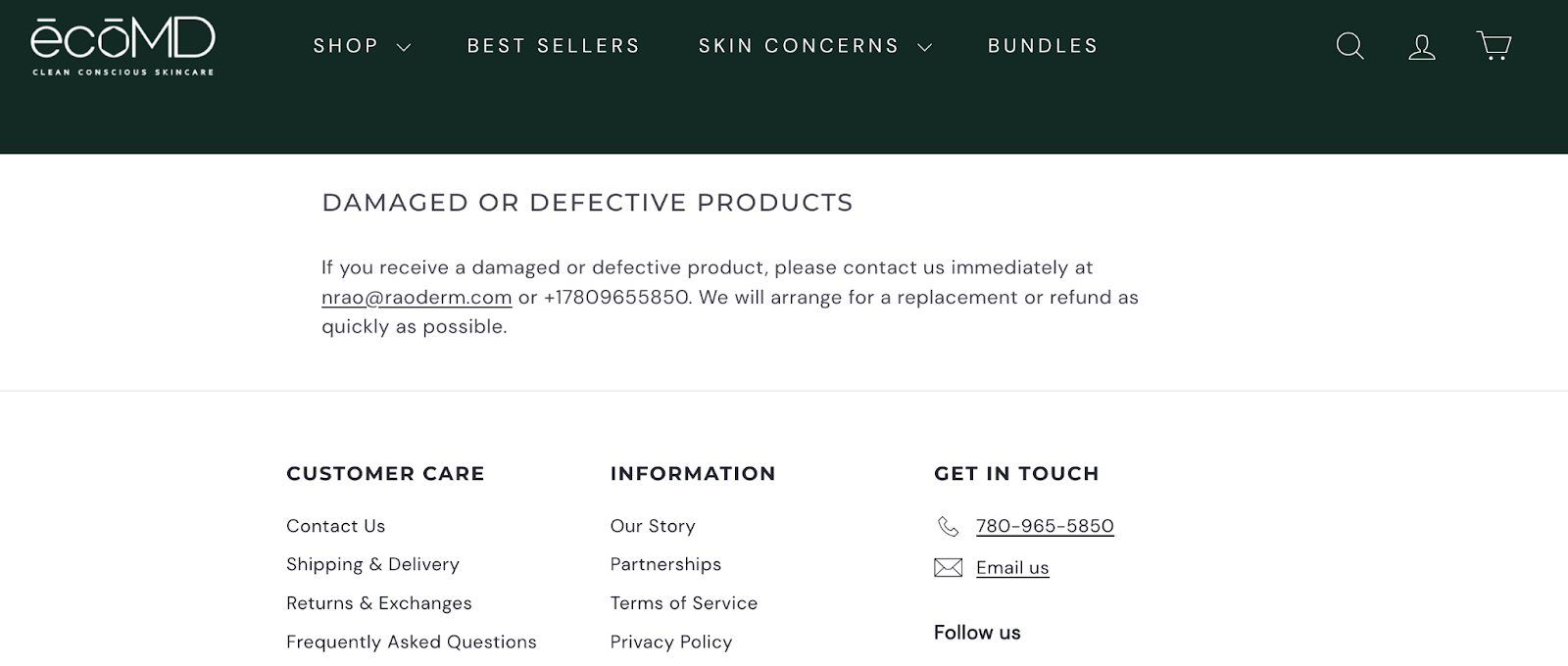
These considerations have wide-reaching implications for your business, so you’ll need to account for how the support team will understand and apply them.
Step #3: Set Customer Service Goals Based on KPIs and Metrics
This is also a good time to look at current metrics and KPIs and use them as a guide for establishing a baseline of what’s acceptable and what isn’t.
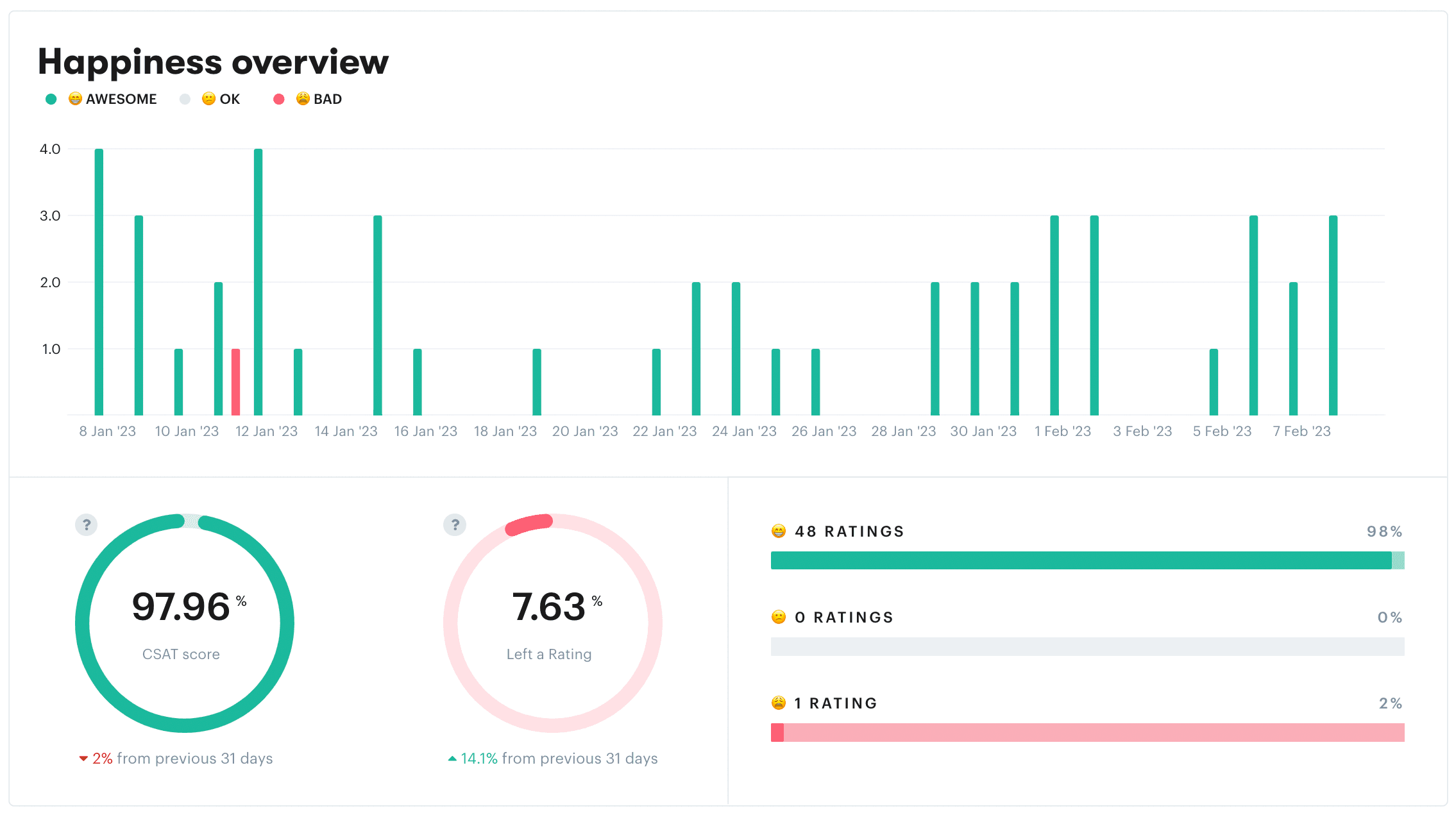
For example, if response times are an important factor, you can establish a baseline goal of ‘providing fast service‘ when drafting your policy. Then you can consider how that translates into specific metrics.
How quickly should agents respond to new inquiries? What are the expectations for specific channels such as email, live chat, and phone support?
Some of the important customer service metrics you might want to consider include:
- First Response Time (FRT). This metric looks at the average time taken to respond to customers initially. You can set different FRT targets based on the support channel, and track them using a helpdesk like Groove.
- Average Resolution Time. How long your customer service team takes to resolve an issue fully. To calculate ART, you’ll need a to define a timeframe to analyze, add up the length of all resolved conversations during that time period, and divide that by the total number of customer conversations.
- First Contact Resolution. FCR is often neglected, and measures how many inquires are resolved in a single interaction. When calculating FCR, you divide the the number of concerns resolved on first contact against the total number of FCR-eligible issues during that same period (some issues may be impossible to resolve without multiple interactions, and so shouldn’t be included).
- Customer Satisfaction Score. CSAT is an important measure of how satisfied customers are after a support interaction. You can collect this type of feedback via automated customer surveys.
Your customer service policy should make it clear what the general objectives are (fast service), what metrics matter (response time), and what the expectations are for those metrics (average response time of 24 hours or less).
Finally, agents also need to know how they can achieve those benchmarks (save time by using instant replies, reduce ticket numbers via a knowledge base, etc.)
Step #4: Draft Concrete Guidelines for Employees To Follow
At this stage, it’s time to start drafting the policy itself. Take your goals and what you know about your customers’ needs, and make sure to cover every situation your team might encounter (or at least, as many situations as are practical).
As an example:
- If your business is retail, what does your return process look like?
- Is there a concrete policy that needs to be followed, or are returns processed on a case-by-case basis (and if so, what criteria are used to make those decisions)?
- How does an agent facilitate the return, and what timing is expected?
- How is credit issued? Is it in the form of a refund to method of payment, or online credit?
Every customer service policy will address a unique set of concerns and scenarios. To narrow down what yours should include, consider:
- Common workflows. Identify your customer service team workflows, and provide guidelines for each. This might include managing order/subscription cancellations, damaged merchandise or technical complaint troubleshooting, refund/return requests, and addressing angry or upset customers.
- Prioritization. Your team needs to know how to tackle a full inbox of support tickets. Make it clear what factors determine priority, and include examples of urgent vs. non-urgent inquiries.
- Use of tools. Meeting your support goals usually involves relying on some key tools. Your policy can make it clear what tools should be used and when. You can also incorporate guidance for platform-specific features.
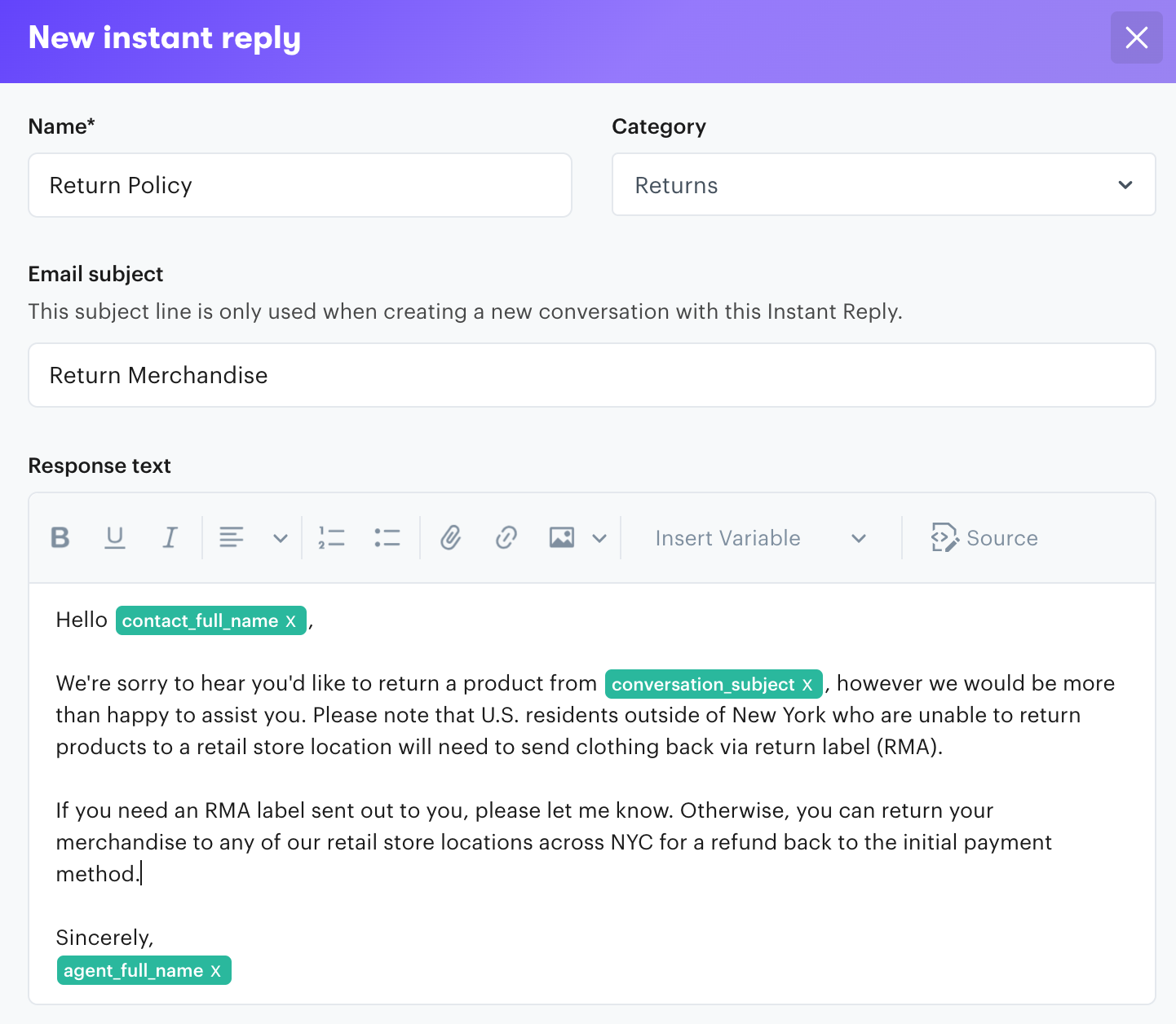
- For example, if you use a support helpdesk with an instant reply feature, how should those replies be written, and when should/shouldn’t they be used?
- Tone of voice. How should agents communicate with customers? This should reflect your brand, and be channel-specific. The guidelines and standards for phone calls, email communication, and live chat will likely be similar but distinct.
- Team member roles. Does your support team consistent of employees with various roles and responsibilities? Your policy is a good place to outline those, and let people know who they should reach out to or defer to in particular situations.
Step #5: Implement Your Policy
When it comes to format, how you build your policy will depend on how complex it is and what tools you have available. A simple Google Doc, PowerPoint, or page in a platform like Notion or Asana may be sufficient.
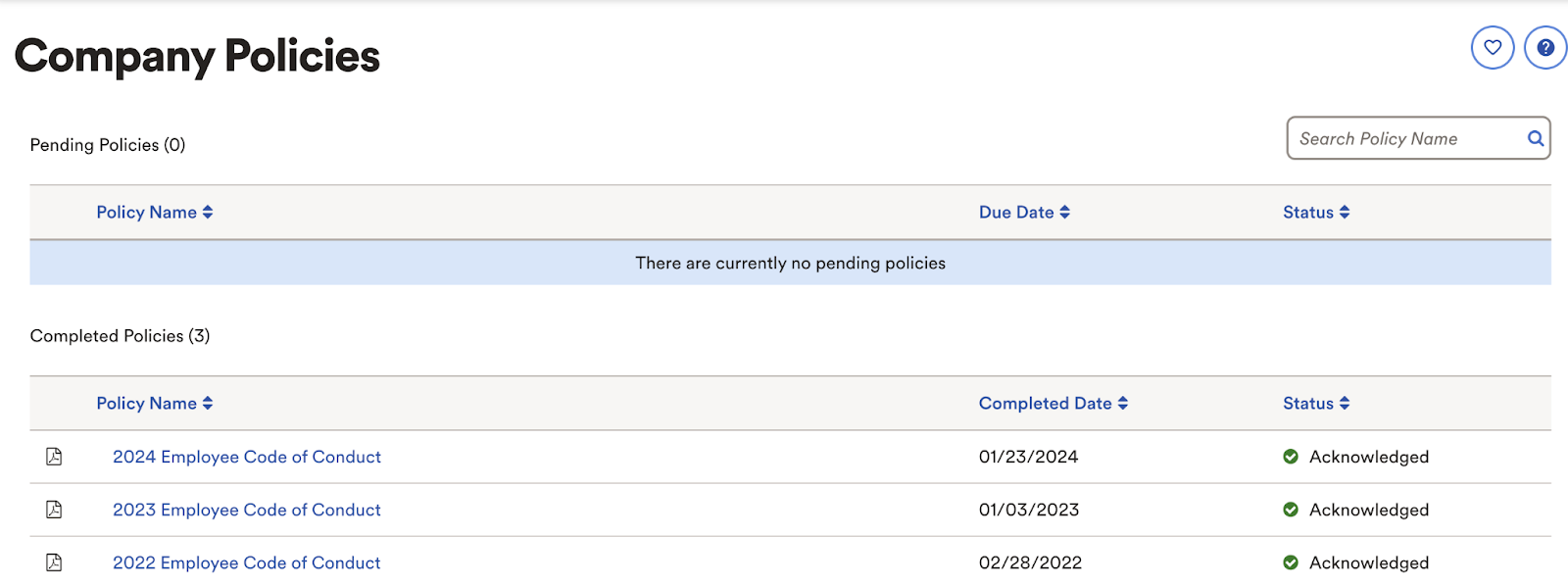
The most important thing is to ensure that the policy is easily accessible. Your team must be able to quickly find and consult it whenever they need to.
If your policy is complex, you might want to set up an internal knowledge base for your support team. This can include not only your customer service policy, but other key resources (training docs, example scripts, tool instructions).
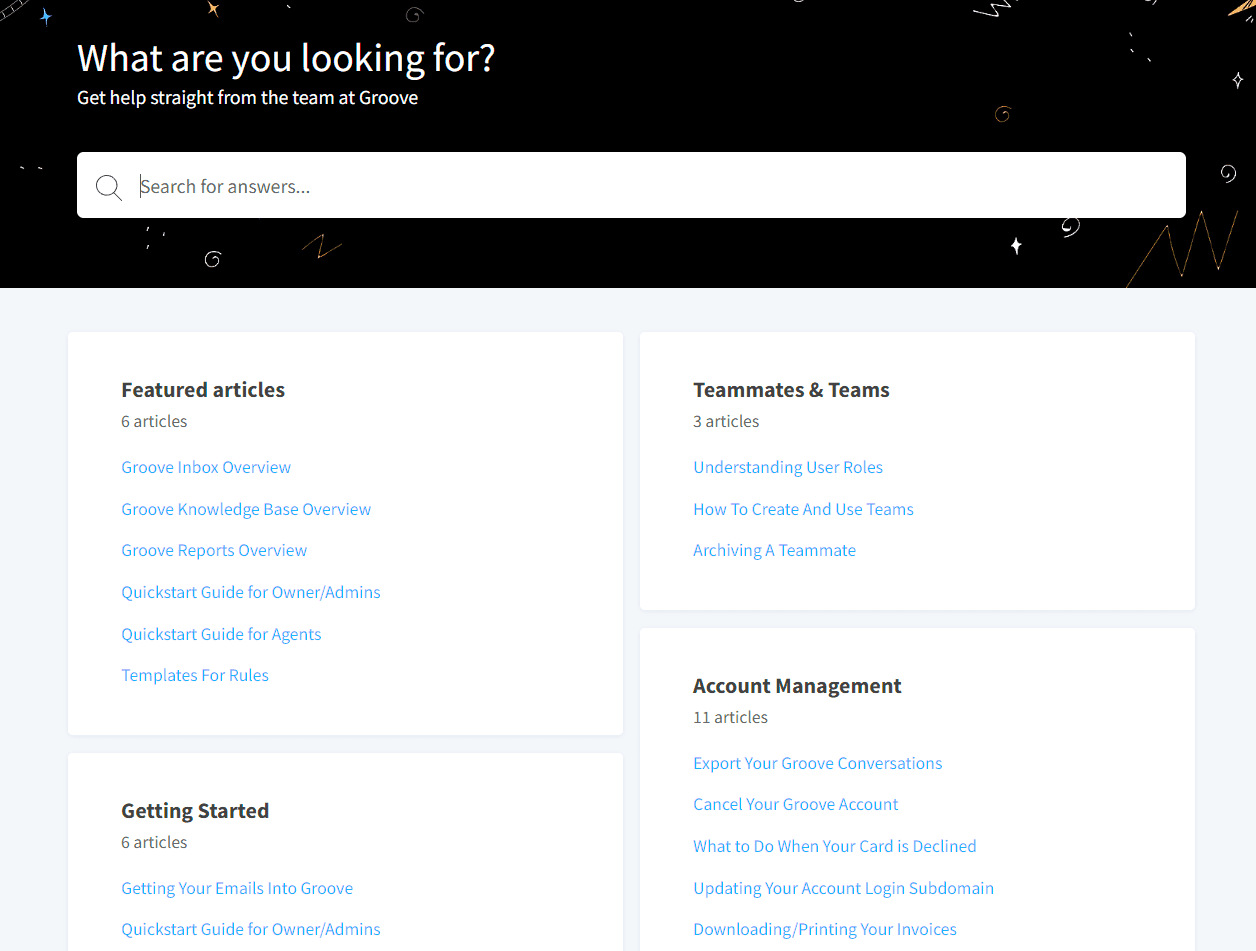
This is also when you should consider gathering feedback to refine the policy over time. A customer service policy shouldn’t be an entirely static document. It should evolve over time, based on support team performance, new features, and customer feedback.
You can connect key components of the policy to the metrics we talked about earlier. This sets accountability based on quantitative data. Beyond that, it’s a good idea to set up internal audits to gauge performance on a regular basis, and invite regular, candid feedback from your team.
Uphold Customer Service Policies and Deliver Better Support
Once you’ve established your policies, you’ll need to make sure your team is capable of upholding them. This requires strong communication, consistent training, and regular check-ins.
It also means giving your support team tools to save time, streamline workflows, and enable them to provide top-quality service. If you’re still using Gmail or Outlook to manage customer emails, for example, you can make a world of difference by switching over to a help desk.
Groove helps small business support teams perform at their best. It provides a centralized dashboard for all your customer service communications and tasks. There’s no better way to give your agents the best chance at putting your new policy into action. Plus, Groove offers a built-in knowledge base feature to provide customer-facing self-service or an internal resource for your team.
Sign up for a free 7-day trial of Groove, and provide better customer service without working harder!
5 Help Scout Alternatives: Why Growing Support Teams Switch to Groove
Groove Fixes What Teams Don't Like About Help Scout: Flat Pricing, Built-In AI, and Native SLA Management. See the Full Comparison.
How Helply's Hallucination-Proof AI Eliminates the #1 Fear of AI Customer Support
Customer Support Automation That Hits 65% AI Resolution, Guaranteed. Helply's Action-Based AI, Safe Escalations, and Optimization.