
How To Create a Customer Success Plan for Your Small Business

I still remember the first time I tried one of the most popular AI image generators, back in 2022. Artificial intelligence was becoming popular, and as someone who’s been in the digital marketing space for years, I kept an eye out for advancements.
So when I heard about this image generation tool, I decided to get a subscription. And that’s where my disappointment started.
- The software ran on Discord, and I wasn’t familiar with the platform at the time. Even logging in was a problem, since I couldn’t find a way to ‘claim’ my account
- I didn’t understand prompting on the platform, and I couldn’t find any guides to help. And believe me, that was a challenge!

You can imagine my frustration. I’ve paid for a software I can’t use, and there’s no streamlined process for onboarding new customers.
So I felt defeated, and decided I didn’t want to use that service any more.
This is the predicament your buyers find themselves in when you don’t have an effective customer success plan. Sure, you convinced them to make a purchase. But have you done everything in your power to make sure they can use your product to achieve their goals?
What Is Customer Success?
At its core, customer success is about ensuring that buyers achieve their desired outcomes while using your product or service. It goes beyond traditional customer service, by proactively guiding customers and helping them maximize the value they get from their purchases.
Instead of waiting for problems to arise, a customer success approach anticipates needs.
The key components of customer success are:
- Proactive engagement. Customer success teams reach out to buyers regularly to offer support. This ensures that there’s a smooth customer journey.
- Goal alignment. By aligning your services with your customers’ goals, you help them see real, tangible benefits from their investments.
- Long-term relationship building. Customer success focuses on fostering ongoing relationships. This means nurturing loyalty, encouraging customers to continue using and advocating for your product over time.
5 Steps for Creating Your Own Customer Success Plan
So how do you create a customer success plan that benefits your business and your buyers? It starts with knowing as much about your customers as possible.
Step 1: Create a Success-Focused Customer Profile
First, you’ll need to understand what success looks like for your customers. This means creating a profile that delves into the specific goals and challenges they face.
Start by determining what ‘success’ means. To do that, ask yourself:
- What are their primary goals? What do your customers aim to achieve with your product or service? Are they looking to increase sales for their own business, improve efficiency, or eliminate a boring chore?
- What outcomes do they desire? Identify the results your customers expect. This could range from saving time and reducing costs to achieving higher engagement or better performance metrics. Get as specific as you can.
Next, you’ll want to look at how customers intend to achieve their goals using your product or service. To do that, analyze the different ways customers interact with your product.
Are they using it daily, for specific projects, or as part of a larger system? What features do they value most? What strategies do they employ to maximize its value?
Understanding their use cases helps you support them better. For instance, if customers use your software for marketing automation, knowing their typical campaign types and strategies informs both how you build your product and how you assist new buyers.
Here’s an example of a profile you might build for your ideal customer:

Name: Emily Rodriguez
Role: Owner of a small online retail store
Industry: E-commerce, textiles
Company Size: 10-15 employees
Goals:
Challenges:
Success Criteria:
- Increase online sales by 25% in the next six months
- Streamline inventory management
- Enhance customer engagement through personalized marketing
- Limited budget for marketing campaigns
- Difficulty tracking customer behavior and preferences
- Need to manage inventory across multiple sales channels
- Successfully uses the inventory management features to reduce stockouts and overstock situations
- Leverages marketing tools to create targeted campaigns that boost sales
- Achieves a 20% increase in customer retention through personalized engagement strategies
Step 2: Focus on the Post-Purchase Customer Journey
It’s common to focus a lot on the early stages of the customer journey – everything that pushes them forwards to conversion. But once a customer has made a purchase, the real journey towards success begins.
It’s crucial to ensure that they not only start using your product or service, but have a positive initial experience. And they continue to achieve their goals with it over time.
To do that, you’ll want to map the critical post-purchase touchpoints throughout the customer lifecycle. These touchpoints are moments where you can make a significant impact on their experience. They include:
- Onboarding. The initial phase where customers start using your product. You want to offer a smooth onboarding process that assures them they’ve made a good decision.
- Training and education. Provide resources, tutorials, and/or training sessions to help customers understand how to use your product effectively.
- Ongoing support. Continuous assistance through support channels is key, to address any issues or questions quickly.
- Regular check-ins. Periodic outreach to assess customer progress, gather feedback, and offer additional support if needed.
- Product updates and enhancements. Informing customers about new features or improvements that can enhance their experience and help them achieve their goals, and easing those transitions.
Of course, these are broad categories. You’ll want to get specific about the touchpoints that are relevant to your business.
What onboarding options are there? Do you send a series of welcome emails walking customers through key features? Do you have a comprehensive knowledge base for self-service?
What channels do you offer support through? Where and how do customers typically reach out for help?
These are the kinds of questions you’ll need to ask, in order to identify and prioritize the touchpoints that most affect customer success.
Step 3: Establish Customer Success Objectives
The next step is to set specific, measurable objectives that will guide your customer success plan. These objectives should help you determine whether customers are truly benefiting from your product or service and achieving their goals.
Start by outlining what indicators will signify that customers are succeeding. These indicators should be directly tied to both improving the customer experience and driving business growth.
Aim for:
- Specific goals. Identify precise outcomes you want your customers to achieve. For example, if customers are struggling during adoption, a key goal might be to increase the customer onboarding completion rate.
- Measurable metrics. Ensure that each goal can be quantified. This allows you to track progress and make data-driven decisions.
- Aligned objectives. Make sure your objectives align with your overall business goals. Suppose your aim is to expand market share. Your customer success objectives might focus on increasing customer retention and satisfaction.
Once you’ve defined your success indicators, it’s time to choose KPIs that will measure them effectively. These might include:
- Onboarding Completion Rate. Percentage of customers who complete the onboarding process.
- Time to First Value (TTFV). How long it takes for a customer to achieve their first significant success with your product.
- Goal Achievement Rate. Whether customers are meeting their specific goals using your product.
- Customer Satisfaction (CSAT) Score. How satisfied your customers are with their experience after key interactions, such as a guided tutorial or support inquiry.
- Net Promoter Score (NPS). Gauges customer loyalty by asking for feedback on how likely they are to recommend your product. A higher NPS indicates strong customer satisfaction and advocacy.
- Product Adoption Rate. Monitors how extensively customers are using various features of your product – features that may be essential for success.
- Customer Lifetime Value (CLV). The total revenue you can expect from an average customer over the duration of their relationship with your business.
- Customer Churn Rate. The percentage of customers who stop using your product over a given period.
Step 4: Develop Strategies To Encourage Customer Success
Now, it’s time to create targeted strategies that ensure your customers not only use your product, but also derive long-term value from it.
We could probably fill several books with the various things you might try. To get you started, here are a couple that are relevant to most small businesses. Still, make sure any steps in your customer success plan are guided by your goals and knowledge of your unique audience.
Provide Proactive Support
In this context, ‘proactive’ means you anticipate customers’ needs and address them before issues arise. It doesn’t eliminate the need for more reactive service, but lessens it while better supporting customers.
Some of our favorite strategies for proactive support include:
- Regular check-ins. Schedule periodic emails or calls to check in. Affirm or ask about your customers’ progress and challenges, and offer assistance or handy resources.
- Customer surveys. The best way to find out about your buyers’ needs is to ask them. We recommend a mix of regular, short customer satisfaction surveys, and periodic, long-form questionnaires.
- Self-service resources. Create and distribute resources such as how-to guides, video tutorials, and FAQs, so people can get help whenever they need it. For best results, collect all of this into one easy-to-access knowledge base.
- Personalized training. Offer tailored training sessions based on each customer’s specific needs and usage patterns. If this isn’t something you can afford to provide as standard, it can be positioned as higher-tier support requiring a small premium.
All of this is a lot easier if you have a centralized, streamlined way to manage customer support. That’s what Groove is designed to do:
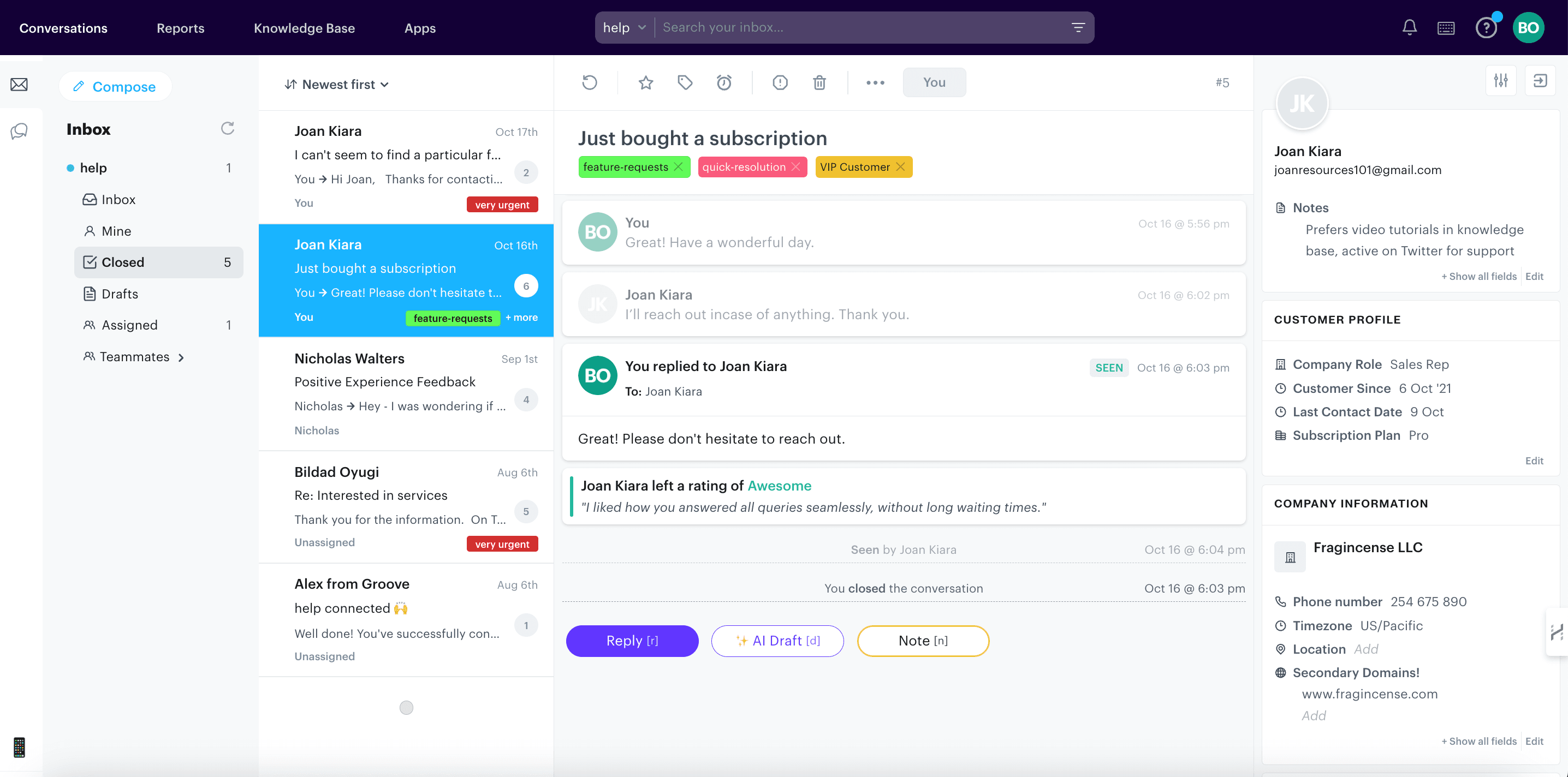
Groove is our help desk for small businesses! It provides a shared inbox where you can route all communications with buyers, whether they come in via email, chat, or social media.
With everything in one place, your customer success team can manage inquiries more efficiently and consistently. Plus, the time saved on rote tasks and tool switching gives you space to devote to more proactive support methods.
Groove helps with that part of your customer success plan too, thanks to:
- Organizational features for sorting, assigning, and prioritizing customer conversations.
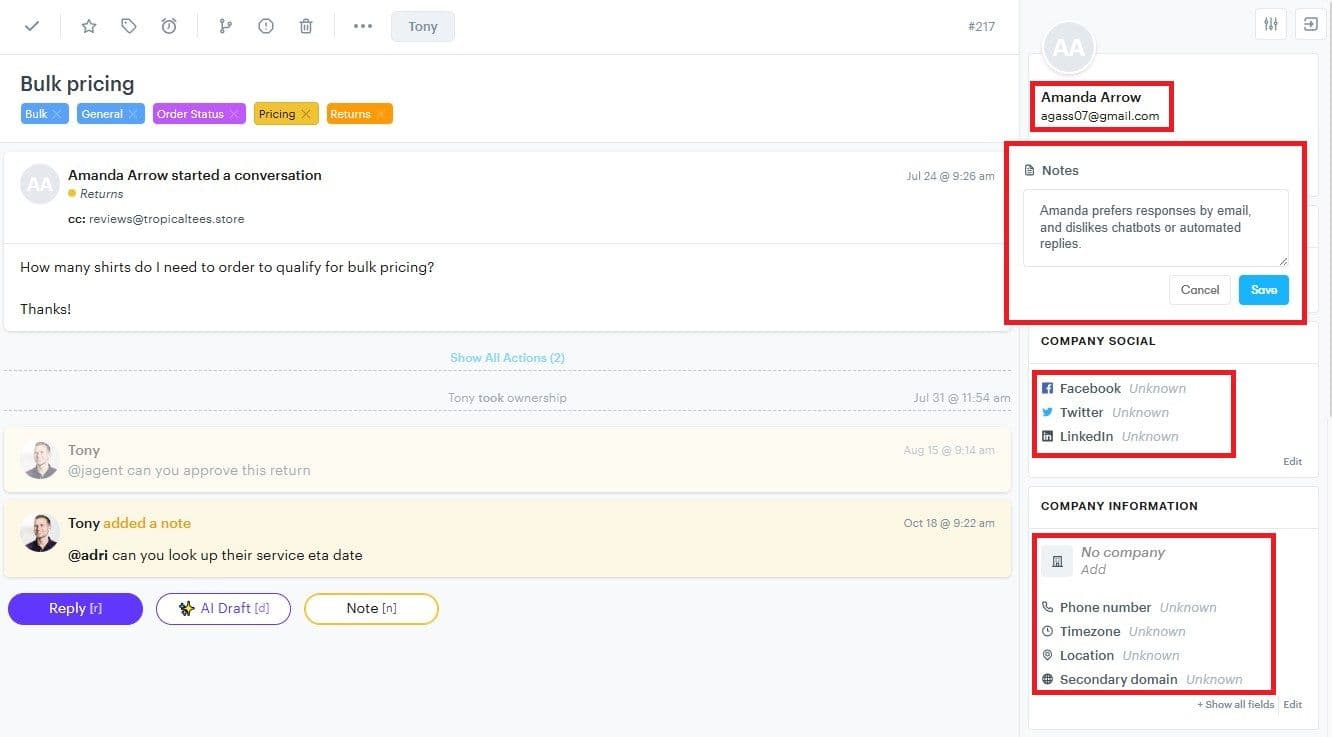
- Customizable profiles that make it easier to identify customers in need of specific support types (or at risk of churning).
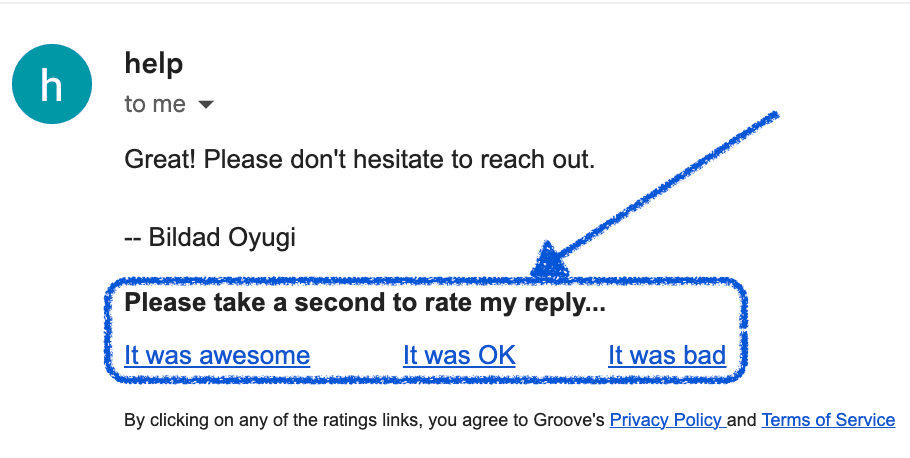
- Customer satisfaction surveys that are sent at the end of every interaction, with the results tracked in a handy reporting dashboard.
- Instant replies and flexible rules you can use to build and send messages for all kinds of proactive uses (onboarding emails, regular check-ins, offers of help to specific customer segments, etc.).
- A built-in knowledge base that requires no coding or design work – just write articles and hit publish.
Build a Community
Your customers probably have a lot in common with one another. They share at least a few interests, challenges, and/or needs.
Building a community around your product fosters a sense of belonging and investment in your brand. Plus, customers can get additional support and tips from their peers. While it takes a little work, there are few better ways to help your buyers succeed.
Dedicated communities include online forums, social media pages like Facebook groups, and tools such as Discord. In all of these places customers can interact, share their experiences, ask questions, and offer solutions.
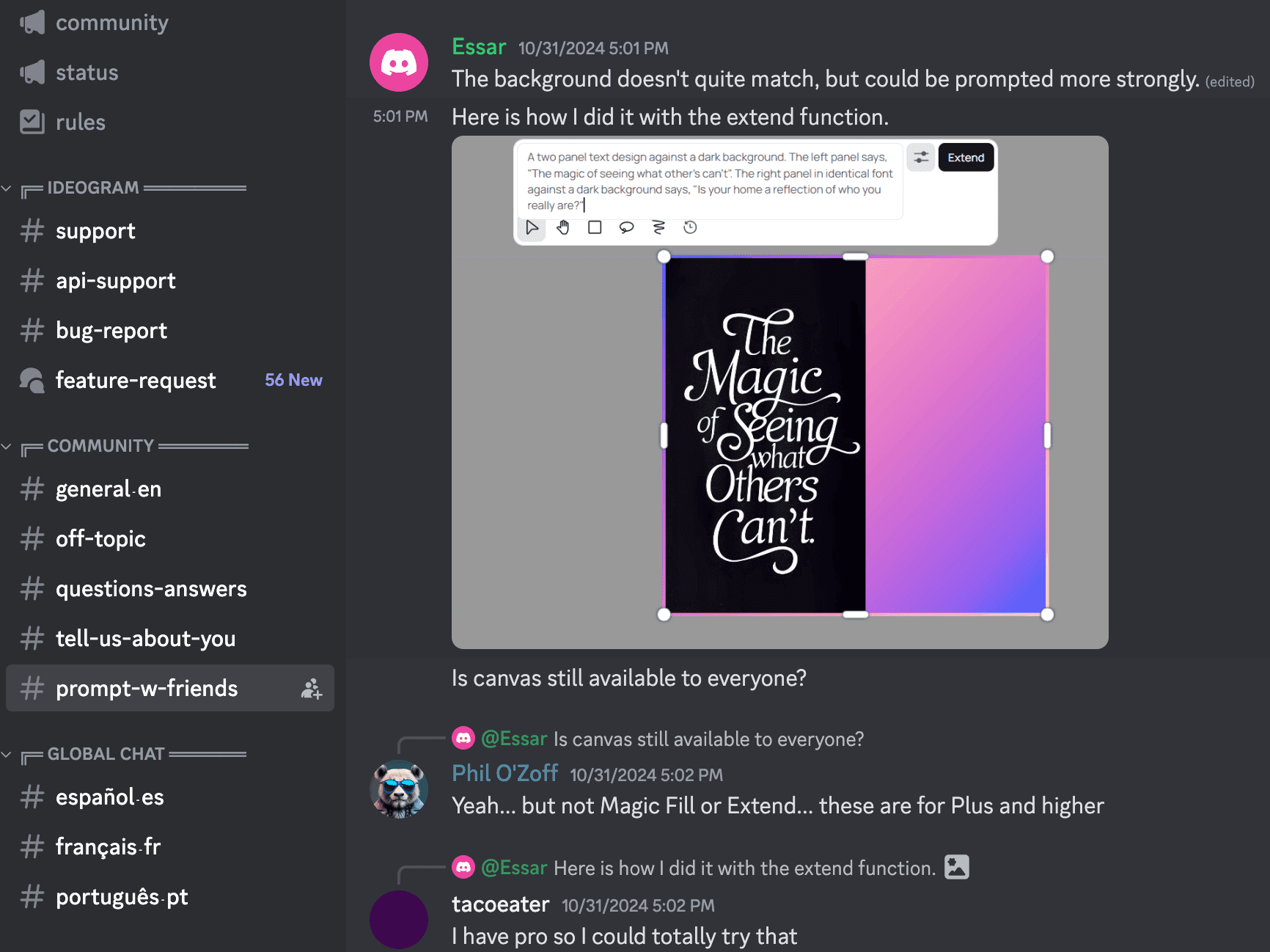
You can even use these platforms to host customer events like webinars, workshops, and virtual meetups.
Step 5: Track Customer Success Metrics and Adjust Your Strategy Over Time
When you’re not hearing a lot of complaints, it’s easy to assume that customers are perfectly satisfied. But of course, that’s not always the case.
Implementing and tracking metrics is a vital part of any good customer success plan. It tells you whether your efforts are effective, and if your customers are achieving their desired outcomes.
To get started, you’ll need to identify metrics that will help you measure customer success, like we talked about back in Step 3. These metrics should align with your objectives and provide actionable insights.
Then you need to set up tracking, which can be trickier. Many analytics platforms focus more on marketing metrics. Even the ones that offer customer service numbers can be expensive, complex, or both.
That’s why we built this feature right into Groove. We’ve curated a handful of KPIs, and set up automated reporting for them:
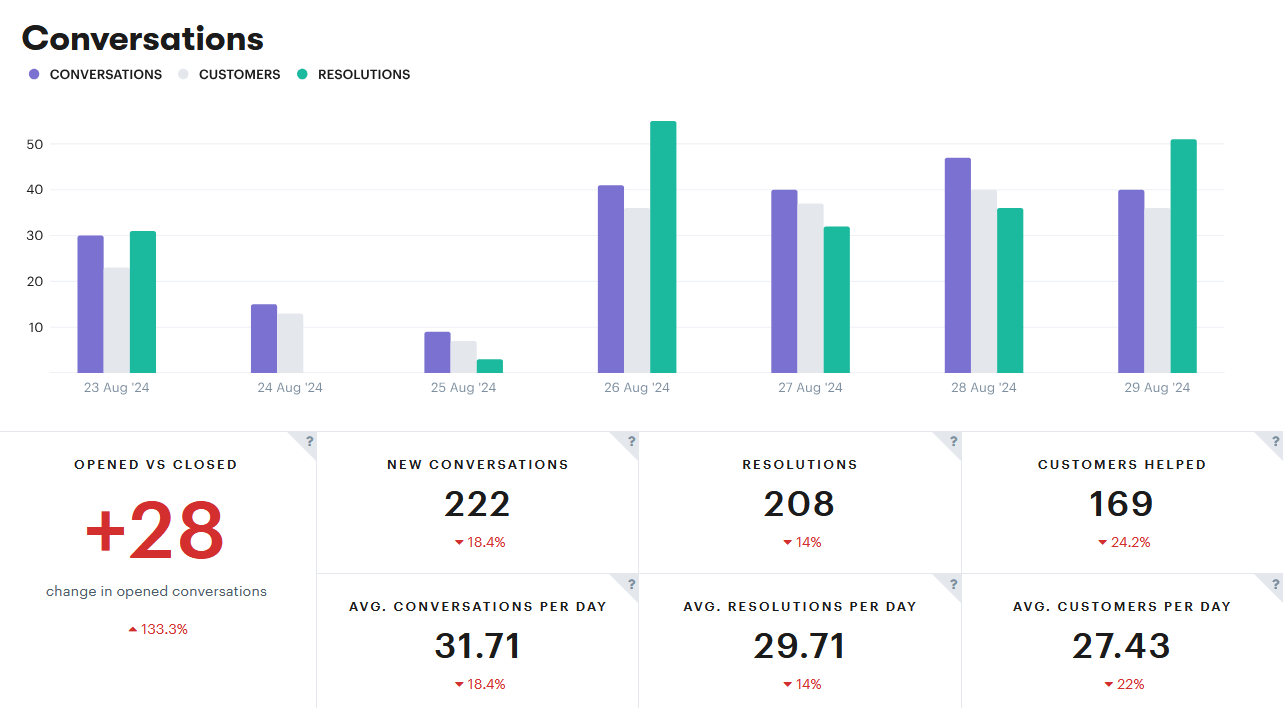
Everything is tracked automatically, and displayed in clear visual charts. This makes it easier to identify trends, spot potential issues, and measure progress toward your objectives.
You can customize the reports if you like, and view individual agent performance. You can even set up automated customer satisfaction surveys.
We’ve found that a combination of quantitative data and qualitative feedback is the best way to keep tabs on whether customers feel successful, and whether your efforts are making a difference.
Encouraging Customer Success One Day at a Time
Success – whether for your business or your customers – doesn’t happen overnight. It’s a process, and one that’s most effective when you actively help it along from many different angles.
If you’re still not sure where to start, begin by talking to your existing customers! Ask them what they’re happy about, what they’re frustrated with, and what they’d like to see changed. Then build your customer success plan, prioritizing the requests that are most frequent and most likely to make a concrete improvement for new and old buyers alike.
And while you’re at it, make sure your tools support your efforts. Groove is a central command center for everything customer service, helping you save time, resolve inquiries, provide proactive help, and track key metrics.
Check out Groove today with a free 7-day trial, and give your support team the tools they need to help customers succeed!
What Is Intelligent Customer Experience? (Plus 5 Steps for Making It a Reality)
You’ve poured your heart and soul into creating a product you’re proud of. But lately, you’ve noticed a troubling trend. Your customers aren’t as engaged as they used to be. And your poor support team? They’re drowning in a sea of tickets. Success isn’t just about having a killer product. It’s about providing exceptional experiences […]
How To Develop a Winning Digital Customer Experience Strategy
Finding it difficult to determine how customers interact through your digital channels? Maybe your buyers have a hard time moving from one channel to the next with your brand? If your business fails to create a personalized experience across all channels, you’ll face low engagement rates, high bounce rates, and hampered customer satisfaction. The solution? […]