
How To Improve the eCommerce Customer Experience (5 Key Tips)

If you’re ever felt frustrated navigating a poorly designed website, you understand the importance of a quality user experience. But being able to recognize when things are (or are not) working well isn’t the same as knowing how to improve the ecommerce customer experience.
This encompasses more than just the website people use to purchase your product. It involves all touchpoints with your business throughout the customer journey. A more intuitive, consistent experience helps to attract new buyers, retain the ones you already have, and even encourage referrals.
Our top tips for how to improve the ecommerce customer experience involve analyzing customer segments, then implementing proactive measures that lead to higher conversion rates and improved satisfaction. If that sounds like a lot, don’t worry – there are plenty of simple steps you can take today.
What To Do First: Establish a Baseline Understanding of Your Customer Journey
We need to establish what CX is before we can explore how to improve the ecommerce customer experience. In a nutshell, customer experience (CX) is the composite of all interactions a customer has with your business.
This means that first, you need to know what those interactions are. They’re also called ‘touchpoints’. For example:
- Let’s say a customer lands on your website through a PPC Google ad.
- From there, they visit a blog post or two, then subscribe to your monthly email list for insider updates.
- They might not make a purchase right away, but they’re becoming familiar with what you offer. Down the road, you might send them another ad via an email marketing campaign, which directs them to a new landing page.
- This page finally convinces them to sign up for a free trial of your product, and eventually pay for a monthly plan.
- The customer experience doesn’t stop there! It continues as the new buyer starts using your product, interfaces with more of your content, gets in touch with support when they need help, and so on.
Every single one of these interactions matters – not only for securing the initial conversion, but for retaining the customer, keeping them happy, and in the best case scenario, turning them into a brand advocate.
So if you haven’t already, you’ll want to identify and contextualize these touchpoints by mapping out the journeys people take with your business, and tracking the results. With that prep work out of the way, you’ll be ready to make thoughtful, targeted improvements.
How To Improve the eCommerce Customer Experience (5 Key Tips)
Think for a moment about your ideal customer experience.
Does it involve a smooth checkout process? Helpful post-purchase support? A well-designed landing page with a clean UI?
Putting the customer first is everything when you’re trying to convince people to buy online. If there’s a gap between what you want to offer and what’s currently happening, it’s crucial to address that by learning how to improve the ecommerce customer experience for your unique audience.
Here are five ways to do that – techniques that have worked well for us and other small businesses we know!
1. Create a Unified Support Experience Across All Channels
It’s time to fully embrace an omnichannel approach to support. Customers expect to transition seamlessly from phone call to email to live chat as needed, without having to repeat information or start from scratch.
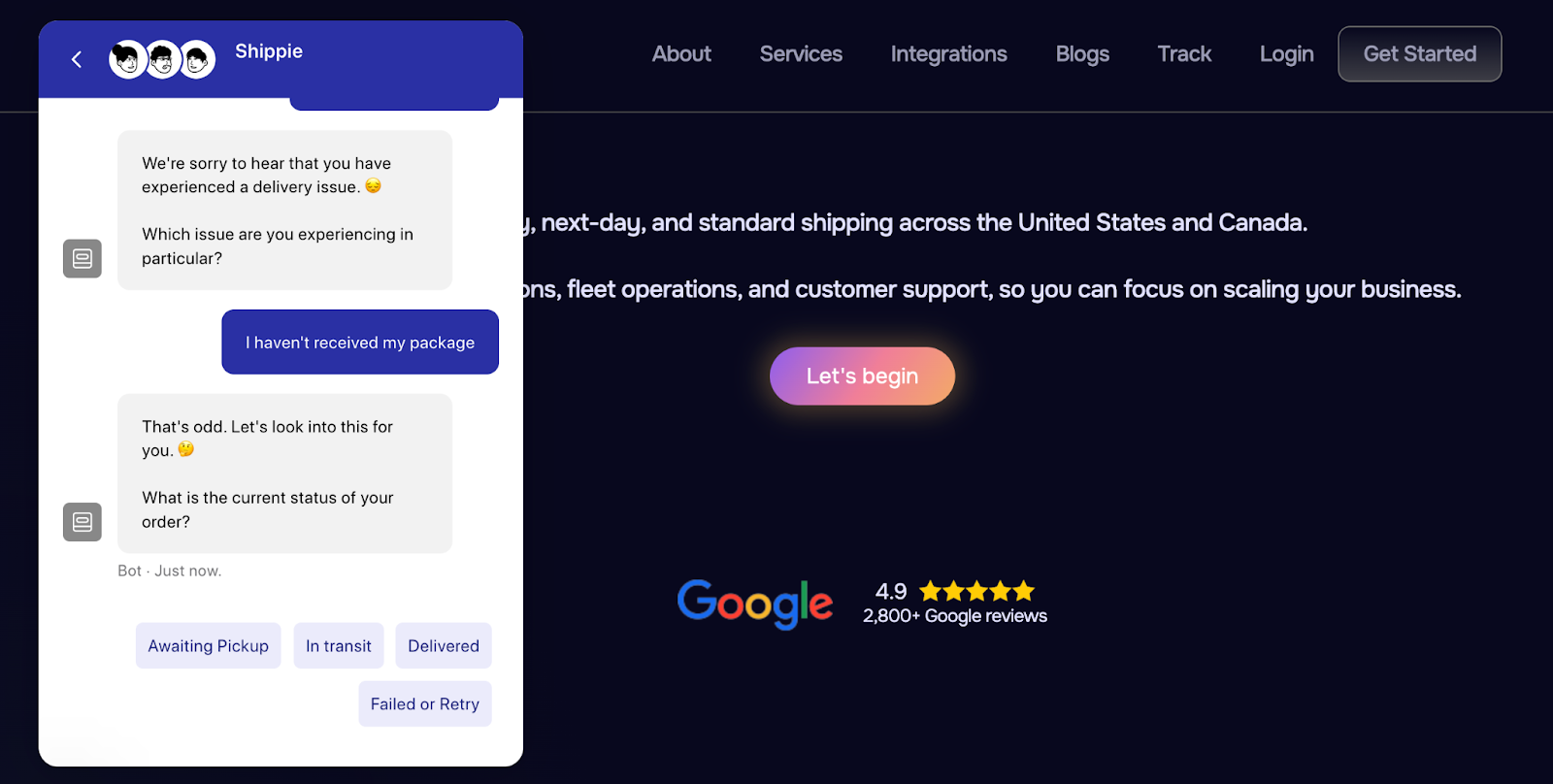
The best way to make that happen is to connect all your support channels to the same place. You can do that using the shared inbox feature provided by Groove – our customer service helpdesk built specifically for the needs of small ecommerce stores.
When all buyer data is in one place, your support team can save time and ensure continuity. For example, smart routing might assign a service ticket from a customer who reached out through social media to the same agent who dealt with them via in-app widget.
How else can a help desk like Groove deliver unified communication?
Wherever and however customers choose to contact you, Groove funnels those communications into an inbox where you can easily organize, assign, and resolve them.
If a customer reaches out to you through via phone, integration with JustCall creates a service ticket. It assigns that ticket to the right customer profile, and synchronizes all the data the support agent will need. In turn, the agent can focus on providing a quality experience, with full knowledge of previous conversations, customer history, and so on.
Similarly, if your customers prefer instant messaging, Groove allows you to create and embed a live chat widget on your website or in-app. Round robin assignment ensures that these inquiries generate tickets in your Groove inbox, and assign them to agents based on pre-selected conditions:
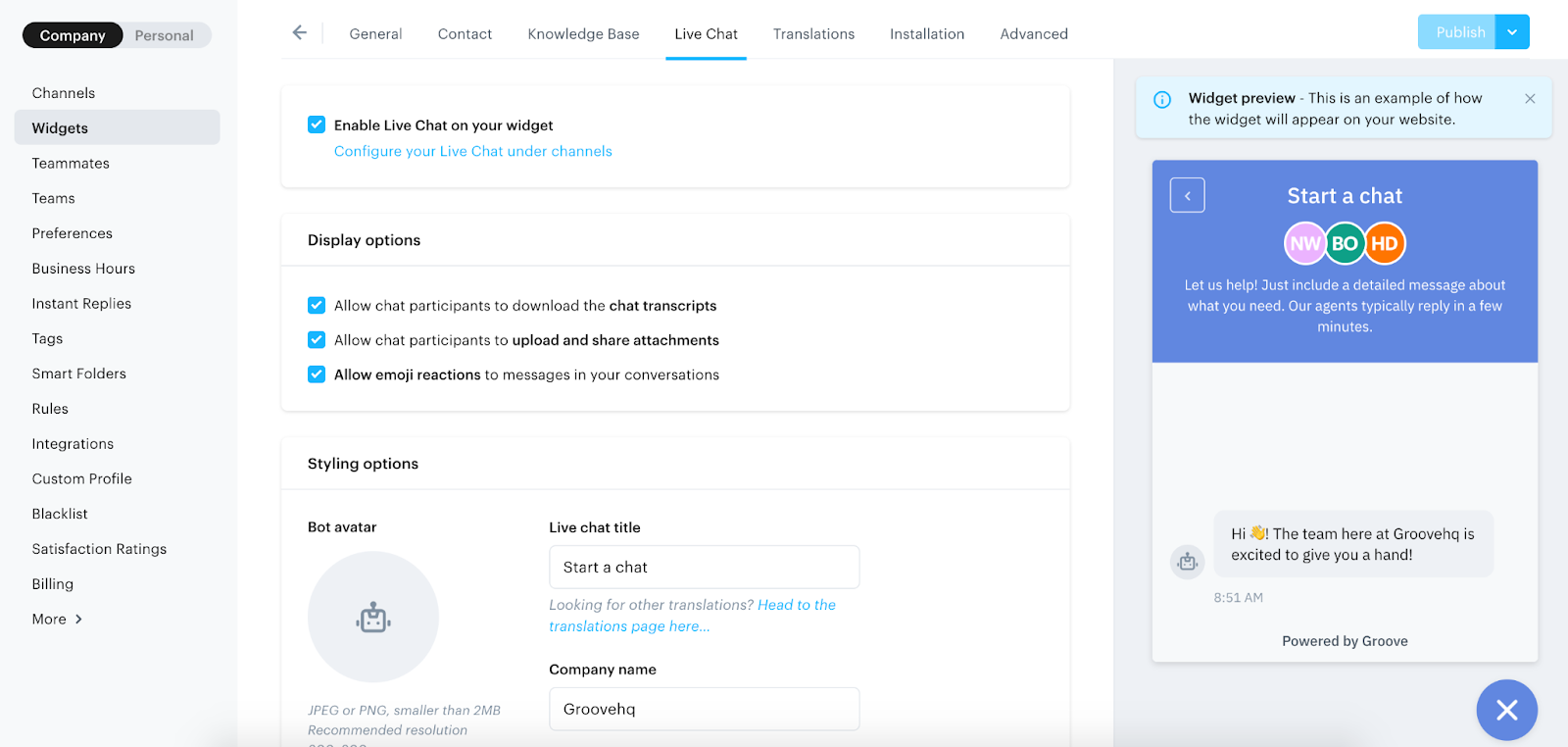
Exactly what your unified experience looks like will depend on your niche, audience, and available channels. But the key is to make sure every method you use to communicate with buyers is interconnected.
2. Simplify the Purchasing Process By Reducing Necessary Touchpoints
Every step required to make a purchase gives the customer an opportunity to change their mind. So you’ll want to minimize the amount of mandatory touchpoints required to move from awareness to decision.
For example, in B2C ecommerce, you can reduce friction by creating a single-page checkout form. Once a customer adds a product to their shopping cart, they should be able to complete the purchase in minimal clicks.
You might call this the ‘Amazon approach’, but it’s achievable for small businesses as well. evolvetogether, a popular personal care brand, uses a single form checkout page with all relevant information in one place:
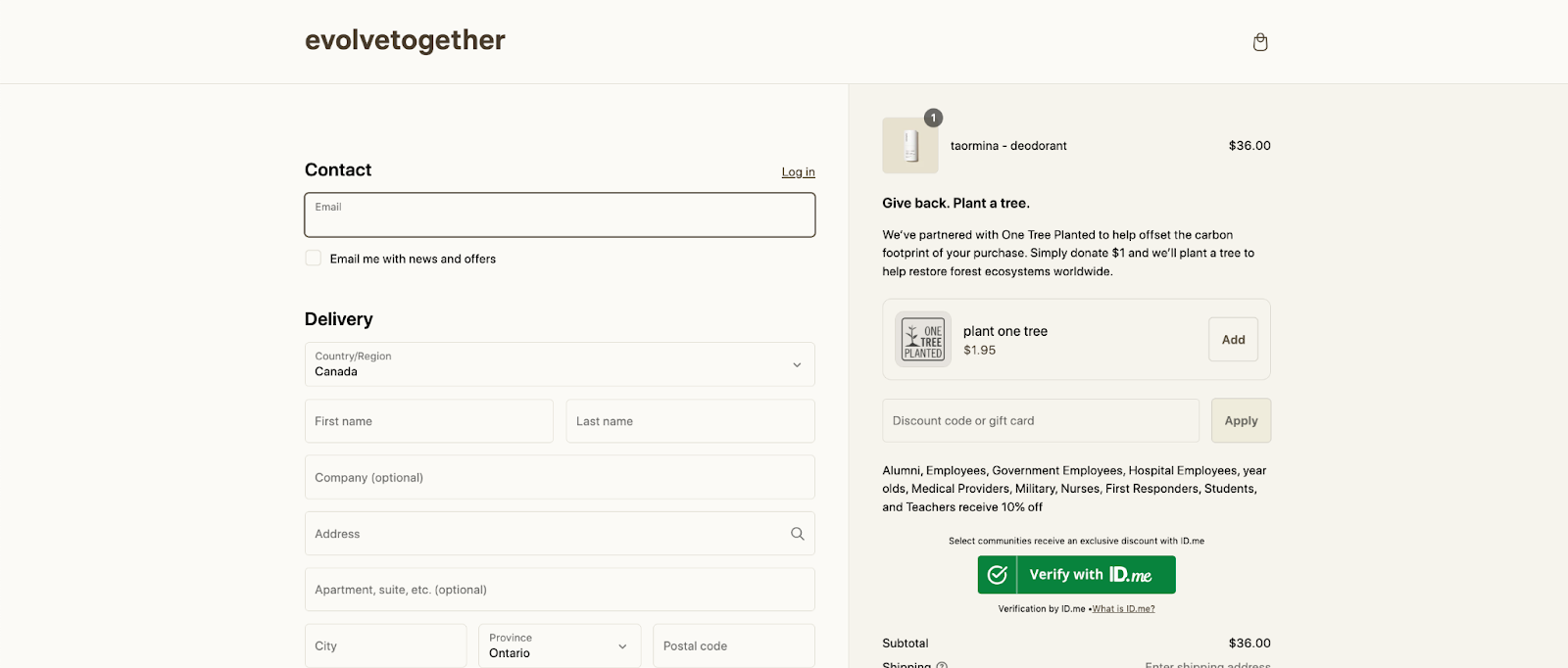
Once you submit an order via the “pay now” button at the bottom of the page, you’re redirected to a new landing page with a confirmation number. It doesn’t get much simpler.
In B2B ecommerce, the decision-making stage often takes longer. But you can still reduce the necessary touchpoints needed to transition from consideration to purchase by offering easy free trial signups:
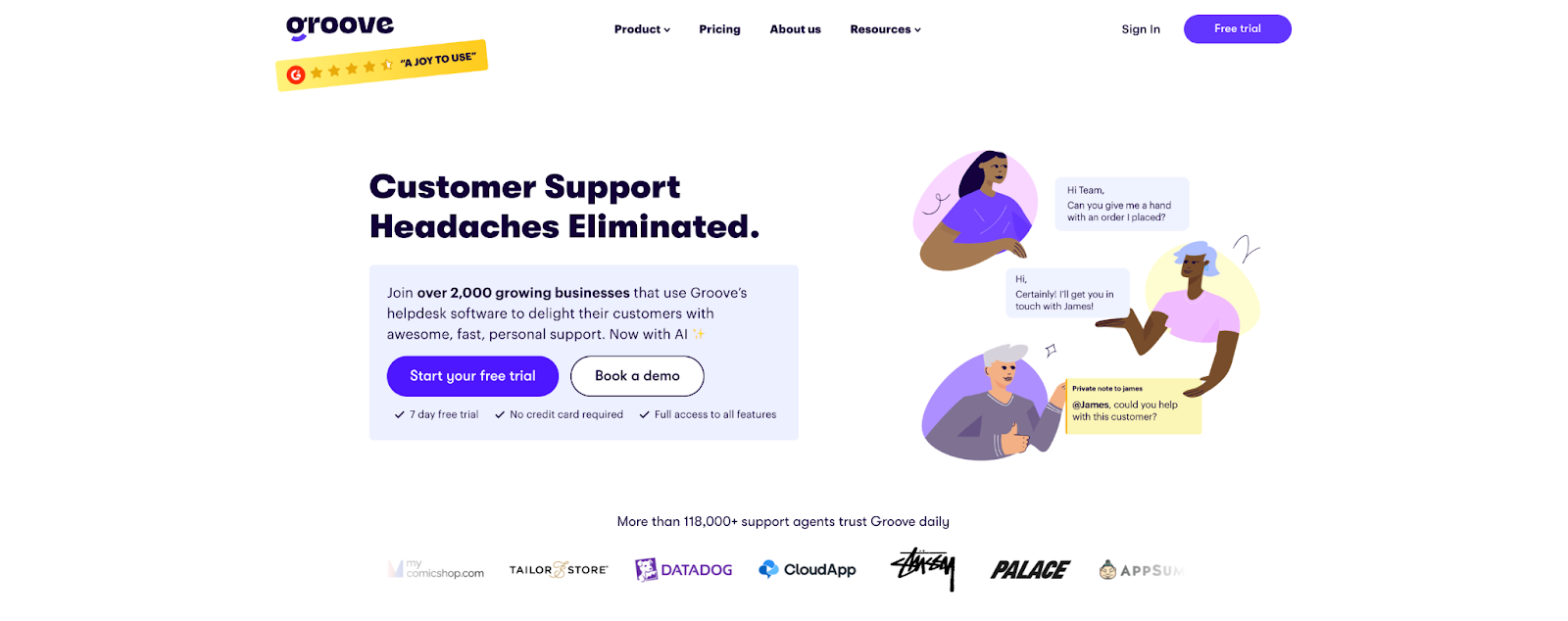
Groove’s free trial (and an option to book a demo) are available directly on the homepage of our website. Once you click on that button, you’re immediately taken to a landing page where you can sign up for an account and begin your free trial:
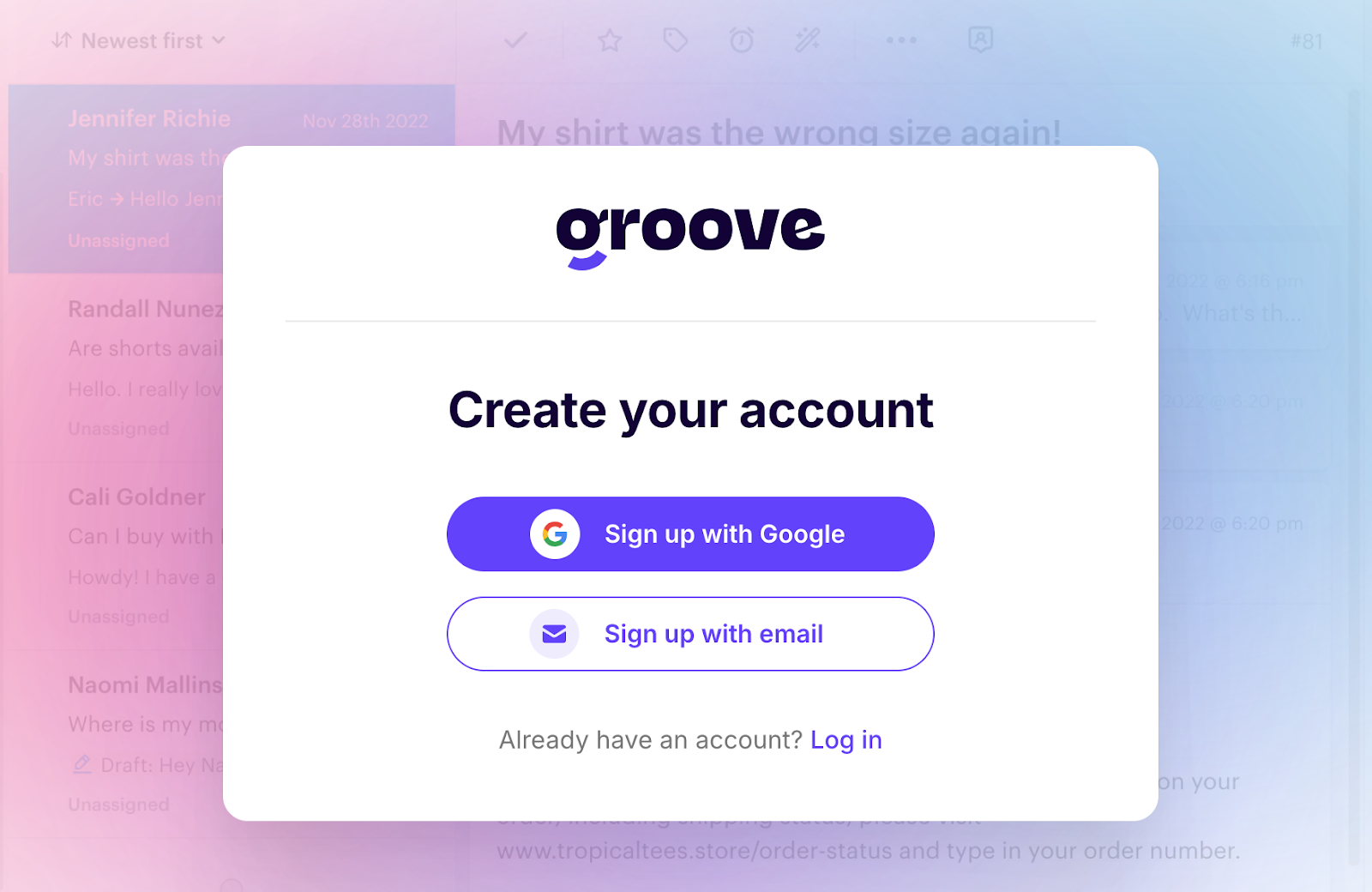
After that, the process of transitioning from trial to paid plan is simple, and located right within the helpdesk
Forcing people to make too many clicks to get from point A to point B is a quick way to scare them off. Keep in mind that this applies to a lot more than just the purchase process. Every customer interaction point should be evaluated to make sure it’s as streamlined as possible, from requesting help to cancelling an account.
3. Leverage Data and Feedback for Targeted Insights
The majority of buyers, whether B2B or B2C, expect a highly personalized purchasing experience. Collected customer data can be leveraged to create more compelling content designed for specific audience segments.
This means digging into buyer purchase history, account usage, behavior, activity, and demographics. A lot of this data can be found through analytics tools for your website platform, in your ecommerce customer support helpdesk, and via free tools like Google Analytics.
Let’s say you want to find out where buyers are coming from. You can do this by connecting your website to Google Analytics, giving data some time to amass, and then checking out the Acquisition metrics:
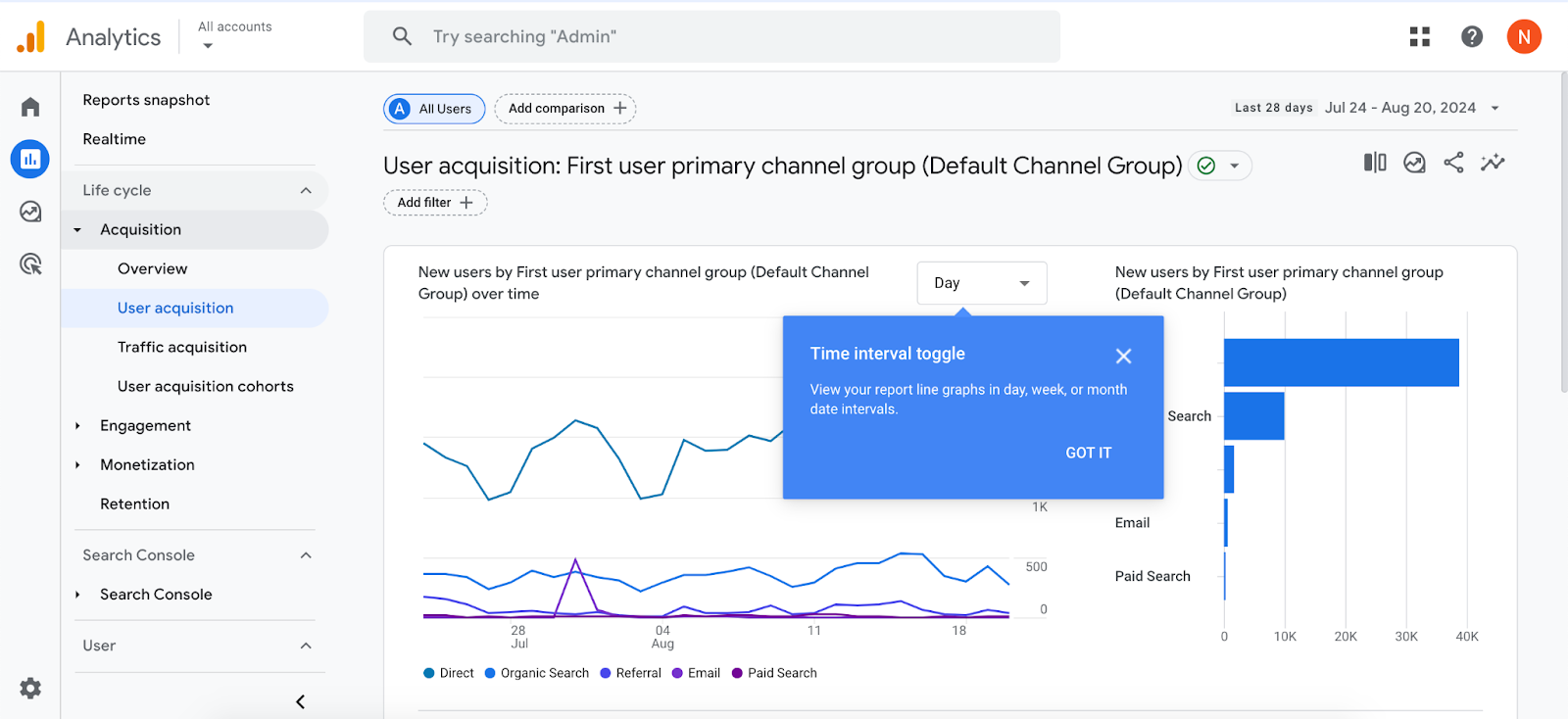
Other ways you can use Google Analytics data to improve the ecommerce customer experience include:
- Review popular or underperforming content, to see what your readers are interested in.
- For example, a blog post with high page views but a high bounce rate signals that a lot of customers are landing on that page, but not finding what they need.
- Find out where customers stop scrolling on important pages. This enables you to strategically place CTAs based on how customers navigate.
With Groove, you can get direct feedback about customers’ experiences with your support. You can view metrics like:
- NPS (Net Promoter Score). How many customers are willing to promote your business, which is a good predictor of growth and loyalty.
- CSAT (Customer Satisfaction). How satisfied customers are with particular interactions, which predicts retention.
- CES (Customer Effort Score). How much effort the customer had to put in to resolve an issue, showing you points of friction that need improvement.
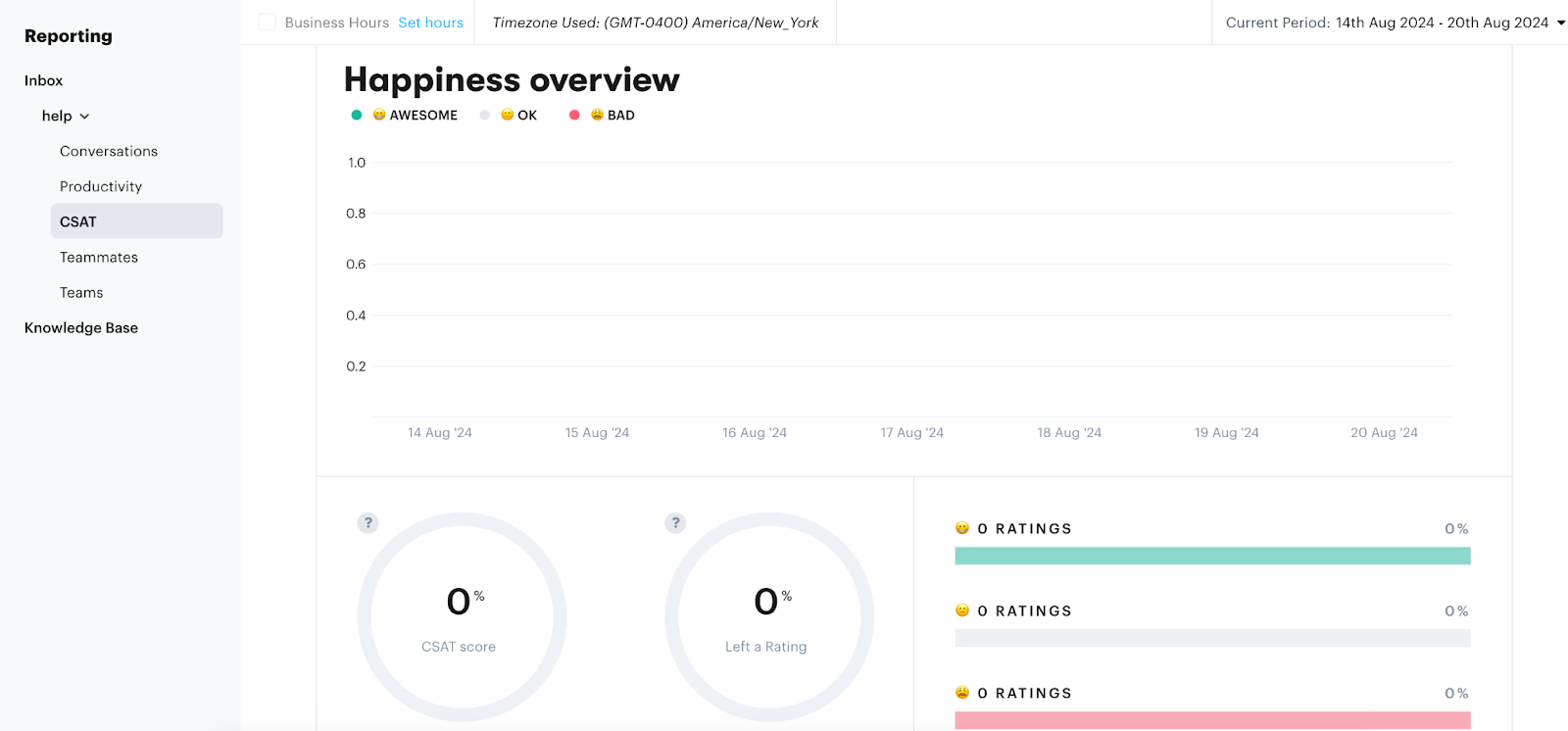
When it comes to data, no one number tells the full story. It’s important to gather as much information you can about customer behavior, and then contextualize that with direct feedback, to identify exactly what touchpoints are weakest.
4. Create an eCommerce Website With UX In Mind
Customers are much less likely to purchase your product or service if they find your website cumbersome. Since your ecommerce site represents the majority of touchpoints, and contains the purchase process itself, this is a key element to get right.
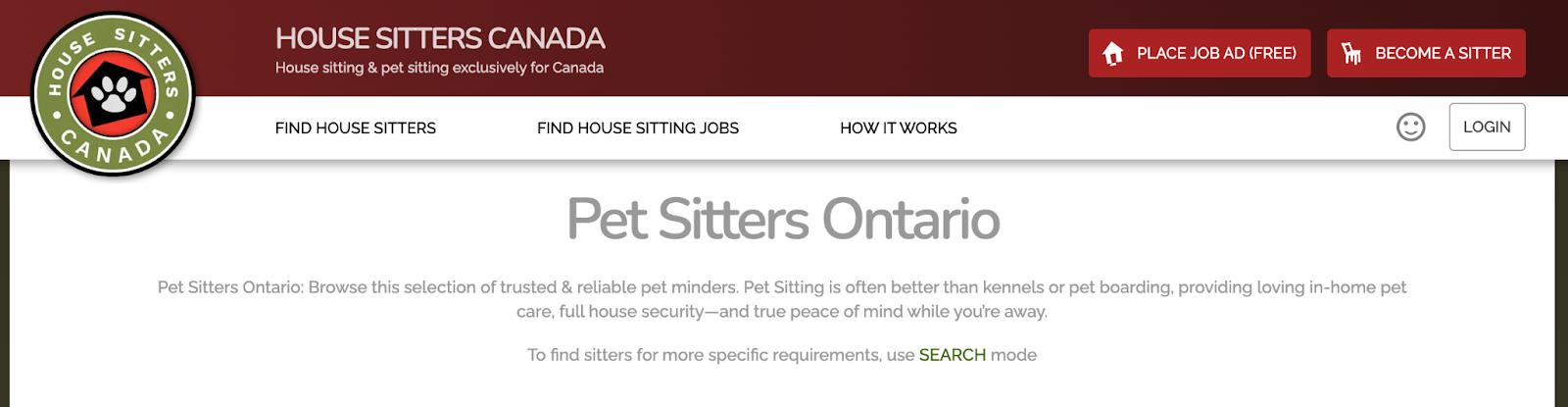
Think about all the outdated websites you’ve seen that look like they’re stuck in the early 2000s. They don’t inspire you to give the company a shot, even if the products are great. They also don’t communicate trust and security, which matters when you’re asking customers to submit sensitive personal information.
Your website should be designed with UX in mind, starting from the very first impression. Compare the website above to the one below. The primary function of both websites is the same, but they tell very different stories.
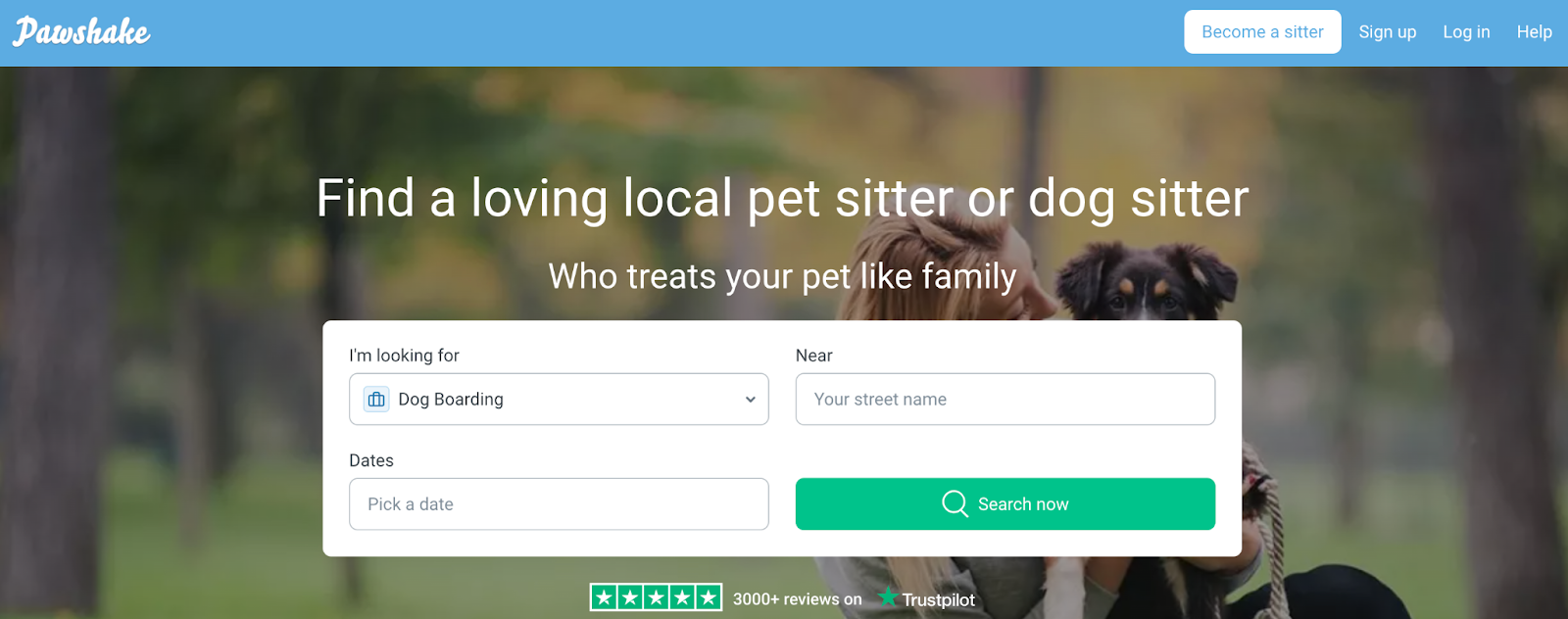
Not only is it better designed, but the above website immediately provides social proof and reassurance through TrustPilot reviews. It also features client success stories to demonstrate that its service is reliable.

Branding also matters. Your aesthetic should be unified across all channels, including your website as well as social media platforms, and it should match your niche and goals.

Is your product intuitive and minimal? Your website’s UX should reflect that focus, with a design and messaging that’s clear, concise, and free of technical jargon.
The goal is to make sure buyers immediately feel at home on your website. Everything should reflect your products and their interests, so they know they’ve reached the right place.
Conducting a Website Audit
Of course, you probably already have a website. And you likely don’t want to redesign it from scratch. That’s okay – sometimes small, targeted improvements make a world of difference.
There are lots of free website audit tools you can use to find out what improvements you should make. WEVO Pulse, for example, leverages data from one million research participants to show how specific audience personas will respond to your website.
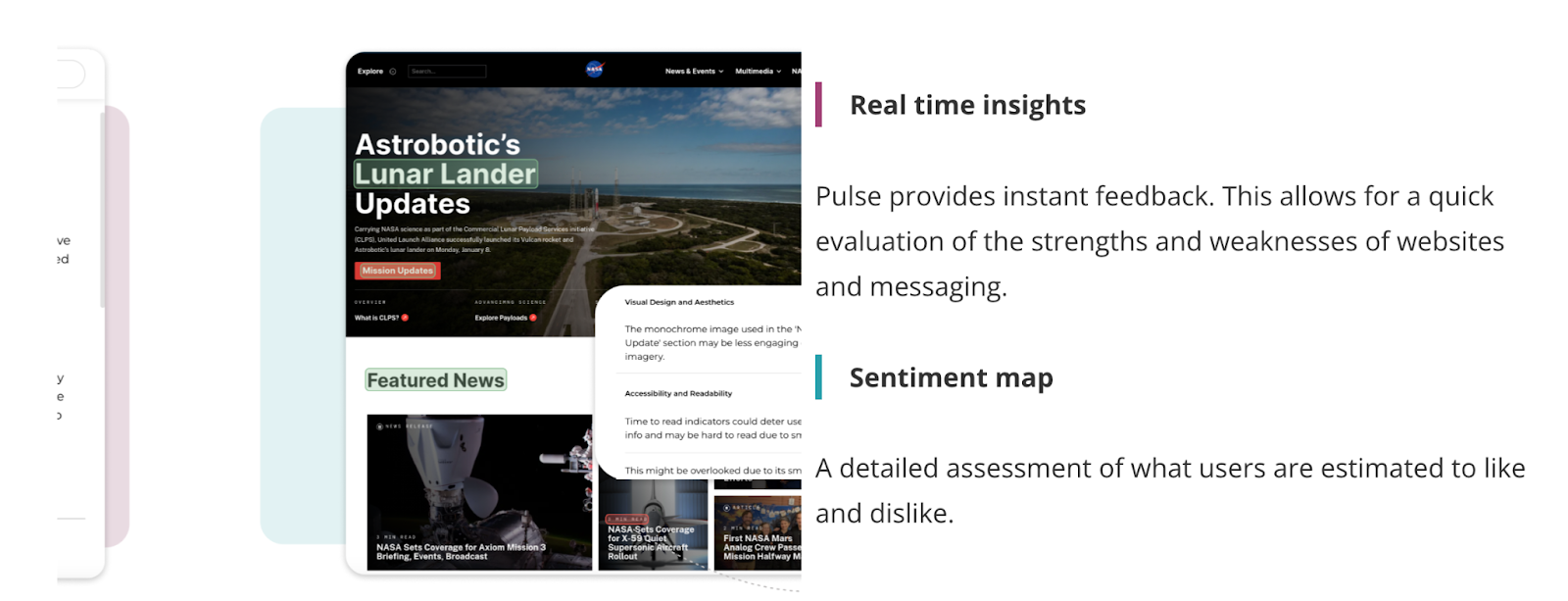
If you’re not sure who your website is targeting, WEVO can help with that too. AI performs a detailed analysis comparable to a real user study. It presents key findings on CX through accessibility, visual design, readability, and more.
However you carry it out, a successful website audit answers questions like:
- Is the website visually appealing?
- How easy is the website to navigate?
- Do all the pages load properly and quickly?
- Is content easy to read?
- Does the content provide valuable information?
- It is easy to view the shopping cart, add products, and modify orders?
- Is the checkout process simple?
- Are customer support representatives easy to contact online?
- Is customer service responsive and helpful if there is an issue?
5. Improve the Customer Service Experience With Proactive Resolution and Empathy
Now we come to the backbone of the post-purchase experience: customer service. All the little interactions your team has with customers add up. They represent your brand, and create long-term impressions (positive or negative)
Empathy (respect and patience) and responsiveness (speed and accuracy) are two necessary components for delivering better ecommerce customer support. Most people are reasonable, and don’t expect your product to be perfect. But when there’s a problem, such as a technical issue, they do expect you to show compassion and act fast.
Let’s take a look at an example of proactive resolution. A customer has posted a negative review online about a bad experience they had with your product. They also mentioned that your customer support team did not want to assist them with their concerns.
In the review, they mention that they’re a regular customer, but were denied help due to being outside of your return policy:
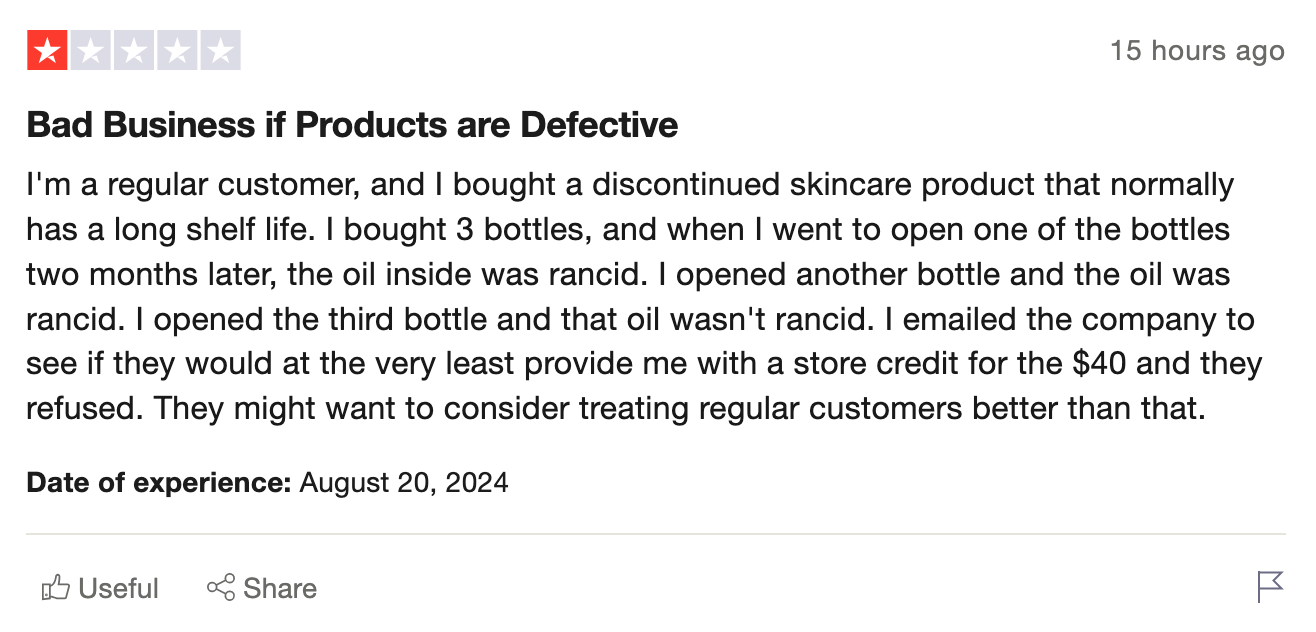
It may seem like the customer experience has already failed here, but you can bring it back. Here’s what that might look like:
- You respond to the review promptly, directly on the platform it was posted to. Your response addresses their concerns in detail, and offers a solution, such as credit for the product.
- Part of great customer service means enabling your support team to be flexible when it comes to rules like return policies.
- Plus, posting your response to the review publicly allows others to see that you take customer concerns seriously, and are willing to go above and beyond to resolve them.
- You leave your name and contact details in the review, so the customer can reach out to you directly if they want to.
- However, you don’t wait for the customer. You use the provided information to find the customer profile in your helpdesk, and send a personal follow-up to take action on the resolution.
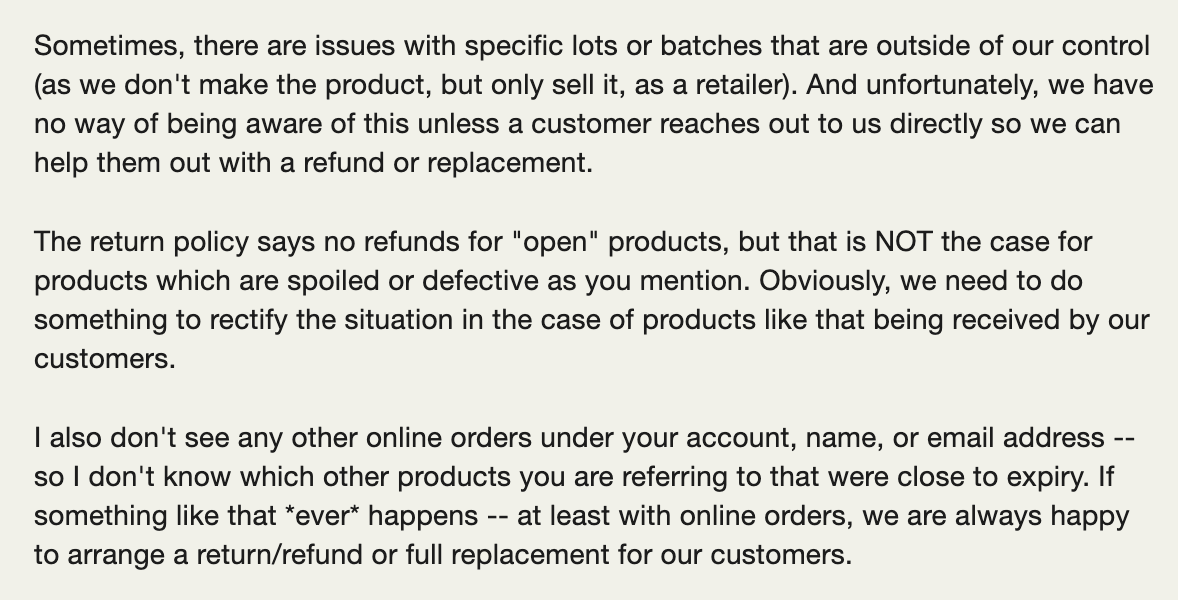
Through quality customer service, you can highlight the value your product or service provides, especially in an overcrowded marketplace. It takes time to master this part of the buyer experience, and it requires a team effort from everyone involved.
Don’t leave the results to chance! Work with your support team, such as by providing empathy training. Investing in training doesn’t have to be a financial burden, and it has a wide-reaching impact on both hard and soft skills.
A Strong eCommerce Customer Experience Starts With Quality Service
How can you make each and every customer feel special, and make it clear that their experience with your business matters to you? Almost every commerce niche is flooded, so you’ll need to deliver an exceptional customer experience to stay competitive.
Consumers respond to convenience, personalization, and prompt attention. While there are countless strategies for how to improve the ecommerce customer experience, your support team is your number-one resource.
Groove helps small ecommerce businesses provide top-quality service thanks to omnichannel integration, automation, and self-service features. Sign up for a free trial today – your customers will thank you!