
5 Common SaaS Pain Points (And What To Do About Them)

So the other day, X (formerly known as Twitter) and YouTube were flooded with discussions about tech reviewer MKBHD’s new project – a wallpaper app called Panels.
This product has been in the pipelines for a while. And I thought to myself: “Well, this is going to be an instant success.” Because MKBHD (Marques Brownlee) has already made quite a name for himself, with nearly 20 million subs on YouTube.
Boy was I wrong…as soon as the product launched, there were negative sentiments all over social media.

Of course, Marques soon responded to the critiques. In his own words, he said:

I made a lot of mistakes along the way, including the fact that I didn’t really explain anything. I didn’t explain the UI, what was in it, the point of the app…
But the statement he made next was the most telling of all:
…that’s part of what can happen when you spend a long time building something and you forget that other people don’t have that context.
See, Marques fell into a common SaaS trap: building a product in isolation and forgetting the crucial element of user experience. And this highlights a critical lesson for all SaaS businesses. Even with a massive pre-existing audience, a great product can fail quickly if it doesn’t address fundamental SaaS pain points.
Want to avoid the same fate? Let’s talk about the challenges you’ll face, and some solutions to avoid the same pitfalls and build a more successful SaaS experience.
SaaS Pain Point #1: Frustrating User Interface/User Experience
Your product’s UI is vital in the overall customer experience.
Let’s say it has a clunky interface, confusing navigation, and unintuitive design. That will quickly lead to customer frustration, and prevent users from fully embracing your SaaS product.
Your customers are trusting you with their money because they believe you’re going to make their lives easier. Anything that breaks this promise is motivation to churn.
Solution: Invest in UX Design and Testing
The good news? This is a problem you can fix long before your product even hits the SaaS market. To ensure that it has an effective user interface, you’ll want to:
- Conduct user testing. Before launching (and even after), get real users to test your software. It’s critical that you observe how they interact with it, where they stumble, and what frustrates them.
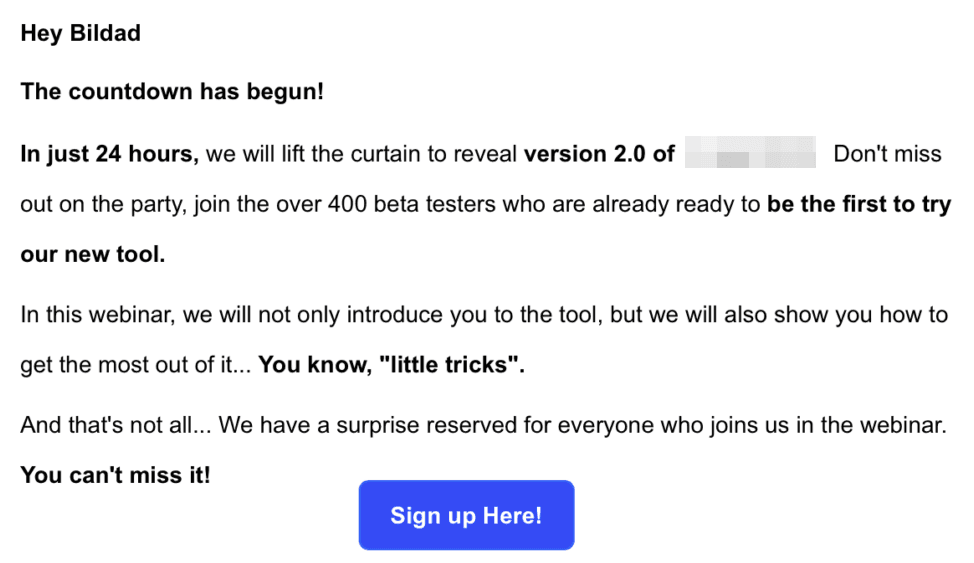
- You can start by sending out emails inviting a set number of customers in your mailing list to try your new product or feature. Once you’ve done that, note down their specific pain points and work with your team to improve them.
- Simplify navigation. Make it easy for users to find what they need. They’re looking for clear menus, logical information architecture, and prominent search functionality. When you present them with a well-organized interface, it saves time and reduces frustration.
- Provide clear in-app guidance. You can also offer tooltips, concise explanations, and custom onboarding.
- Contextual help within the SaaS product itself goes a long way. Use this opportunity to guide your customers as they explore its features. You don’t want to force users to leave the platform to search for answers (that’s a key driver of customer churn).
- Prioritize mobile responsiveness. Users expect to access your SaaS product from any device. So you’ll need to ensure that your interface adapts seamlessly to different screen sizes. It has to offer a consistent experience on desktops, tablets, and smartphones.
SaaS Pain Point #2: Poor Performance and Reliability
Most SaaS products aim to solve customer issues, or improve their work lives or daily routines. For that to happen, your product has to be as seamless to use as possible.
For instance, someone in project management who collaborates with a remote team won’t be happy about slow loading times, frequent crashes, or unreliable service. Any one of these will disrupt their workflows and negatively impact customer success.
A good example of this is when Salesforce, a popular Customer Relationship Management (CRM) software, experienced an outage due to a software bug. All critical tasks that were depending on the CRM had to stall. The outage only lasted a few hours, but there were still serious losses in both revenue and trust.
Solution: Prioritize Performance Optimization
To make sure your SaaS product is up to par, you’ll need to:
- Invest in robust infrastructure and server capacity. Don’t skimp on the foundation of your SaaS product. Adequate server capacity and robust infrastructure are essential for handling user load and ensuring consistent performance.
- Regularly monitor performance and address bottlenecks. Keep a close eye on your system’s performance. Use monitoring tools to identify bottlenecks and address them proactively before they impact users. Regular checkups prevent small issues from becoming major problems.
- Implement caching strategies to speed up loading times. Caching can significantly improve speed by storing frequently accessed data closer to users. This reduces the strain on your servers, and provides a snappier user experience.
- Communicate transparently with customers about planned maintenance and unexpected downtime. Even with the best infrastructure, occasional product updates are unavoidable. Plus, you’ll almost certainly encounter unexpected issues. Let your customers know about such issues to minimize disruption and manage expectations. Proactive communication builds trust.
SaaS Pain Point #3: Inadequate Onboarding and Training
This next common SaaS pain point hurts the customer acquisition efforts of many SaaS providers: poor onboarding and training.
Suppose a new customer signs up for your project management tool. They’re probably pumped to start organizing team workloads and setting up automations.
So you can imagine the disappointment that comes when your customer logs in, and all they see is a blank dashboard and zero guidance. To make matters worse, they can’t find helpful guides on how to get started.
When you don’t provide a clear onboarding process and training resources, you’re setting your customers up for failure. And one thing about confused users, they don’t stick around for long…I’d know, because I’ve had to make those decisions myself (a story for another day!).
Solution: Create a Comprehensive Onboarding Program
Here’s how to come up with an effective onboarding program for your product:
- Develop interactive tutorials. You need to show people how to use your product. To do this, you can create step-by-step walkthroughs that guide them through key features.
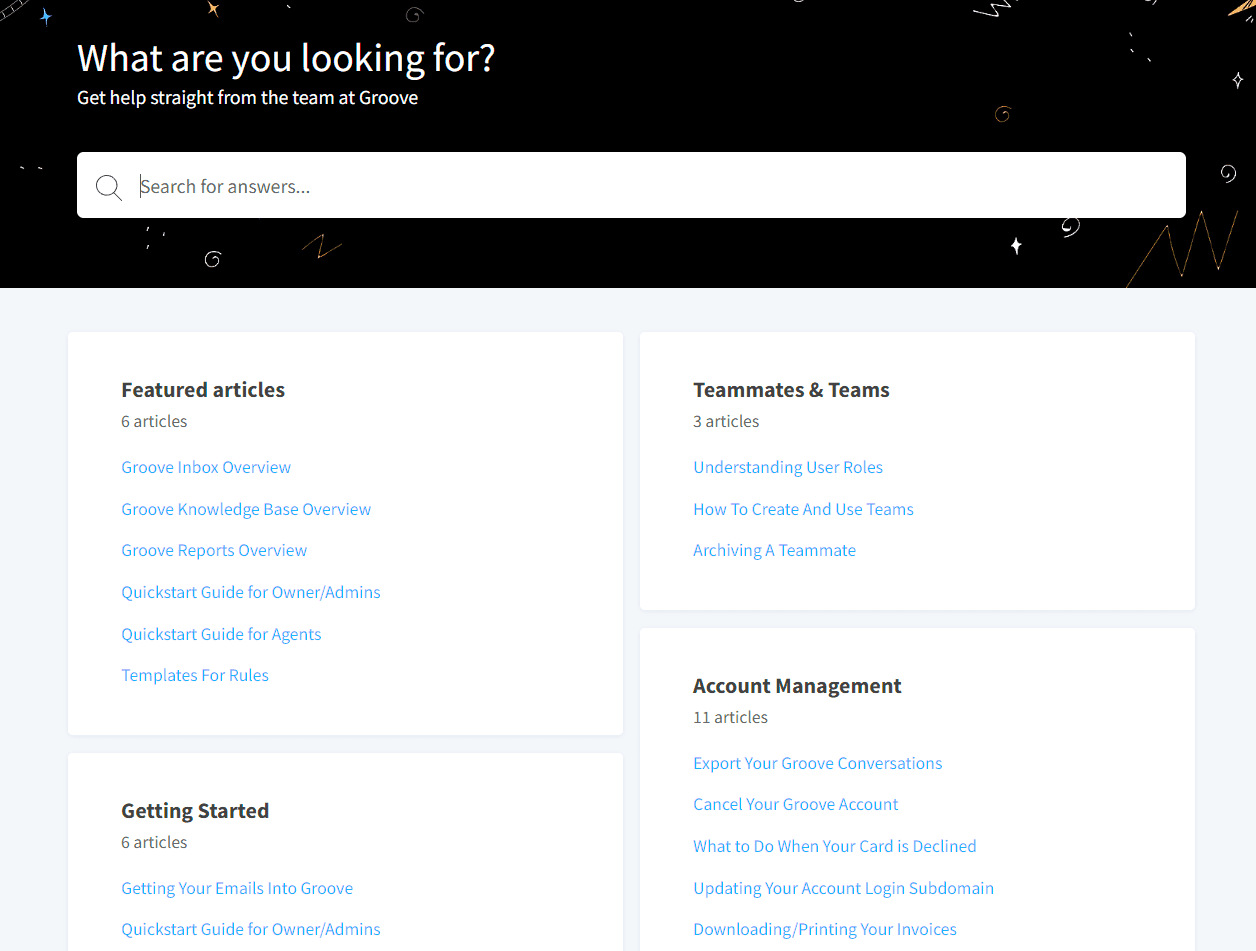
- Provide easily accessible documentation. Create a knowledge base filled with clear, concise how-to guides and FAQs. The knowledge base should be easy to find and search. Learn more about how to create a knowledge base for customer support here.
- Offer personalized onboarding. Remember, not all users are the same. A CEO might need different features than a hiring manager. Thus, you should tailor your onboarding based on user roles and needs.
- Consider a dedicated onboarding team. If you can swing it, having real humans to guide new users can be a game changer. That’s what we do for our customers here at Groove. When you have real people doing the onboarding, they can provide a personal touch and address specific questions.
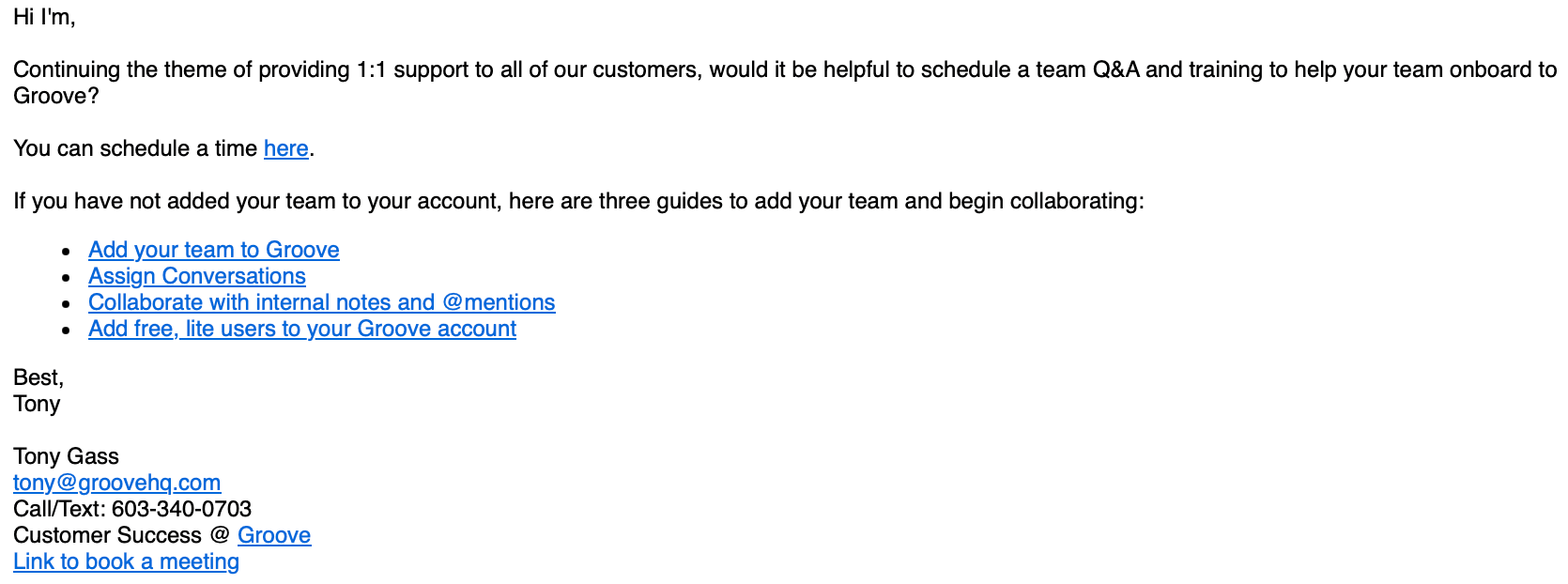
By investing in a strong onboarding program, you’re setting the stage for long-term customer success and loyalty. And in the SaaS world, that’s worth its weight in gold (or recurring revenue, which is basically the same thing).
SaaS Pain Point #4: Lack of Seamless Integrations
Suppose a particular customer loves your email marketing tool. It’s got all the features they need for creating great campaigns.
But there’s a catch – it doesn’t integrate with their CRM system. So now they have to manually transfer data between the two, feeling like they’re doing double the work.
Not exactly the time-saving solution they signed up for, is it? When your SaaS product doesn’t connect with other essential tools, you’re pushing users towards alternatives that do.
Solution: Expand Integration Options
So what’s the solution? We’d recommend the following:
- Prioritize popular integrations. Take a good look at what tools your target market is using, and make those your integration priorities. This way, you’ll be speaking your customers’ language right from the start. Learn how to choose partner integrations for your business here.
- Offer open APIs. For the tech-savvy crowd, you should be able to give them open APIs. This way, they’ll be able to build custom integrations tailored to their specific needs. This flexibility can be a major selling point for larger clients with more complex needs.
- Provide clear developer documentation. If you’re offering APIs, make sure you have crystal clear documentation to go with it.
- Communicate your integration capabilities. Make sure potential customers know exactly what your product can connect with. It’s a key selling point that can make or break a purchasing decision.
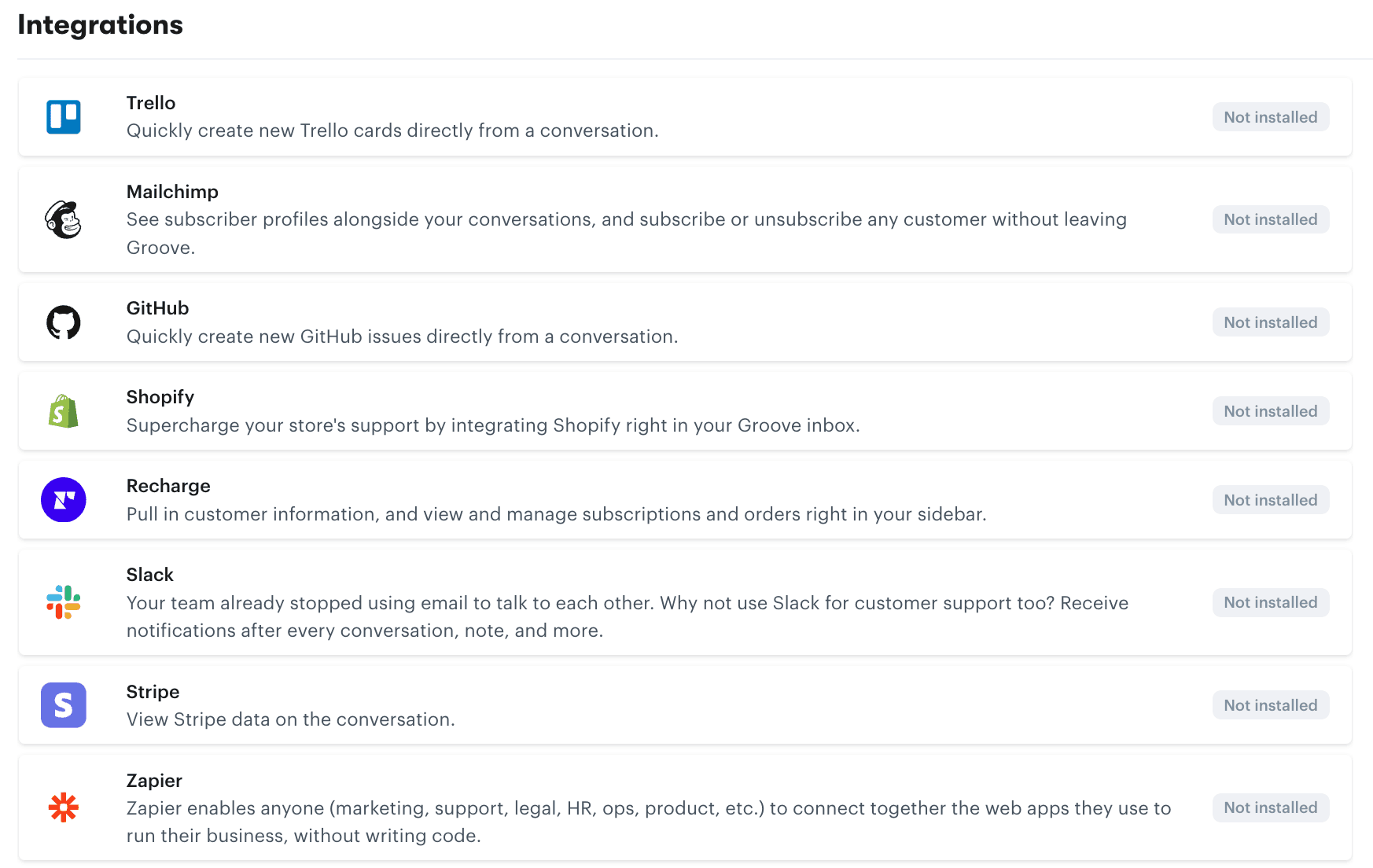
By focusing on integrations, you’re multiplying the value of your product, making your customers’ lives easier, and creating a seamless ecosystem.
In the SaaS world, that’s the kind of solution that keeps customers sticking around and recommending you to others. It’s a win-win!
SaaS Pain Point #5: Poor Customer Support
Now, this is a SaaS pain point that can make or break your customer relationships.
You see, when your customer encounters a technical issue with your software, they submit a support ticket. And they expect a quick resolution – often within minutes or hours.
So when days go by without a response, that’s pretty frustrating. It’s even worse if the eventual reply is a generic, unhelpful template that doesn’t address the customer’s specific situation.
Long wait times, unhelpful responses, and impersonal support can seriously damage your customer relationships.
Solution: Invest in Customer Support Resources and Training
Here’s how you can transform your SaaS customer support from a pain point into a powerful retention tool:
- Offer multiple support channels. Your customers should be able to reach you in the way that’s most convenient for them. This could include live chat, phone support, email, and even social media.
- With Groove, our helpdesk software for small SaaS businesses, you can receive and respond to all customer queries in a centralized dashboard!
- Train support staff for empathy and effectiveness. Your support team should be more than just troubleshooters. They need to be empathetic listeners who can understand and address the customer’s underlying concerns.
- Empower your support team. Give your support staff the tools and authority they need to resolve issues quickly and efficiently. Customers don’t like being bounced around from person to person without resolution.
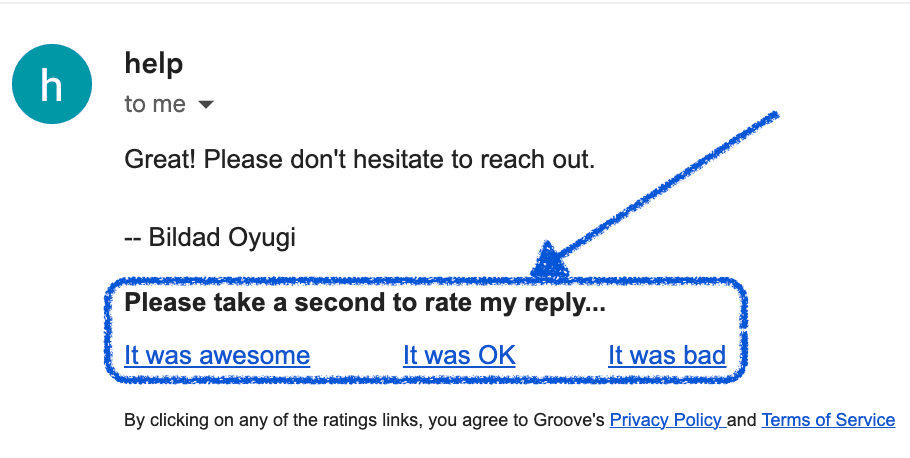
- Implement a feedback system. Every support interaction is an opportunity to learn and improve. You’ll want to regularly solicit and review customer feedback, so you can identify recurring issues and areas for improvement.
I know it can be a challenge to make sense of customer feedback. That’s why at Groove, we’ve made it quick and easy to gather satisfaction ratings after every interaction:
By investing in robust customer support, you’re not just addressing a pain point. You’re creating a competitive advantage that can set you apart in a crowded SaaS market.
Make Customer Support a Selling Point, Not a Pain Point!
From clunky user interfaces to poor customer support, many issues can seriously impact your bottom line if left unchecked. By tackling these challenges head-on, you’re not just solving problems – you’re setting the stage for long-term success.
At Groove, we understand these pain points firsthand. That’s why we developed our help desk software, to empower small businesses to tackle support issues that make or break the customer experience.
Our platform provides a centralized hub for customer service, knowledge management, and communication. You can save time while boosting customer satisfaction – freeing your team up to tackle other key SaaS challenges.
Ready to take your customer support to the next level? Get started with a free trial of Groove today!
How To Conduct a Voice of the Customer Analysis
Running a small business is tough. You’re juggling a million things, from marketing, sales and product development to customer service. I bet sometimes it feels like there aren’t enough hours in the day. But amidst all the chaos, there’s one crucial element that often gets overlooked: Truly understanding your customers. That’s where Voice of the […]
How To Get Customers To Fill Out Surveys (10 Effective Strategies)
Surveys are a cost-effective way to gather a lot of useful information quickly. However, they’re not very helpful if no one responds! Figuring out how to get customers to fill out surveys is harder than ever, with so many other businesses making similar requests. Still, it’s worth the effort. Surveys provide rich insights into customer […]