
Email Marketing for Small Business: Your Guide To Boosting Sales & Engagement

Running a small business means always being busy. You need to market your business to survive, but you don’t have time to try every tactic and tool to see what works best.
Email marketing is a popular strategy, and an intriguing one for a lot of reasons. But many small business owners struggle to make it work, or are unsure whether it’s a good fit at all. If you’re in that boat, you’ve probably had thoughts like:
- “I don’t know if I have the time (or the money) for another marketing channel.”
- “My customers are already drowning in emails; why would they open mine?”
- “How can I segment my list and personalize content for different customers? Is that too complicated?”
- “How do I consistently create and send email campaigns?”
- “Can I measure the success of email marketing and make sure I see a real return?”
Email marketing for small business does take some work, but the benefits are worth it. You get direct access to an engaged audience, you build trust, and you can even drive sales.
Here at Groove, we’ve seen immense growth using email marketing. So we wanted to pass along our favorite tips on how to use this channel to boost sales and engagement, without overdrawing on time or resources.
The Many Benefits of Email Marketing for Small Businesses
Email marketing is consistently ranked as one of the most effective marketing strategies for small businesses. There’s a good chance that many of your competitors are already using this channel to drive sales and build relationships with their customers.
If you’re on the fence about email marketing for your own small business, here’s what it has to offer:
- A high ROI. Email marketing is among the most successful marketing strategies for customer acquisition. For every $1 spent on email marketing, the average return is $44.25. Plus, when compared to traditional advertising, email marketing is affordable; many platforms offer free and low-cost plans that you can scale over time.
- Direct access to your audience. You own your email list. That means you’re not at the mercy of social media algorithms or the whims of big tech companies. Instead, you have a direct line to an audience that has chosen to hear from you.
- A high level of control. You control the messaging, the frequency, and even the content you send to your subscribers. This gives you more control over how people perceive your brand and how you communicate with customers.
- The ability to prioritize leads. You can identify your most engaged subscribers, track their interactions with your emails, and use that data to prioritize leads and focus your sales efforts.
- Options for personalization. Email marketing lets you tailor your emails to different customer segments. You can deliver content and offers that are relevant to their interests and needs.
- The chance to establish authority & credibility. Email marketing helps you position your business as an expert in your field. You can share valuable tips, insights, and resources with your readers.
- Immediate and easily-trackable results. With email marketing, you don’t have to wait months to see the results. You can track opens, clicks, and sales in real time. This is important for measuring your success and making adjustments quickly.
- An established channel for gathering feedback. Once your email list is established, you can easily ask subscribers what they think about your products or services. Surveys, polls, and simple questions provide valuable insights that help you cater to your customers’ needs.
A Few Examples of Effective Email Marketing Content
Email marketing is a pretty open-ended strategy. At the most basic level, you first ask people to subscribe to your mailing list, and then you send them messages.
But what types of emails might you send? Technically, the answer is ‘anything you want’. But if you’re new to this type of marketing, it helps to know what kinds of email campaigns are most common and popular.
For instance, a small business using email marketing effectively might send:
- Welcome emails. First impressions matter. You can use a welcome email (or an entire series of them) to greet your new subscribers, set expectations for future communications, and even deliver an immediate reward (such as a discount code or access to a lead magnet – more on this later).
- Newsletters. Regular newsletters keep your audience engaged and informed. You stay top-of-mind, and demonstrate your expertise in the industry. You can share updates about your business, industry insights, valuable tips, and links to your latest blog posts or content.
- Lead nurturing emails. Not everyone is ready to buy right away. That’s where lead nurturing emails come in. They educate prospects, address their concerns, and guide them through the sales funnel.
- Transactional emails. Every purchase, order confirmation, or customer service interaction is a chance to engage. You can use transactional emails to deliver essential information, offer additional support, and even promote related products or services.
- Promotional emails. Promotional emails highlight your products and services, announce special offers, and incentivize customers to take action.
This is hardly an exhaustive list. However, it hopefully gives you a sense for the possibilities, as well as a starting point for planning out your own campaigns.
6 Tips for Success When You’re New To Email Marketing
The bare bones of email marketing for your small business are pretty straightforward:
- Sign up for an email marketing platform. There are a lot of options, but if you’re not sure where to start, Mailchimp is beginner-friendly and offers low-cost plans. (Plus, it integrates with our customer service helpdesk, Groove!)
- Add a sign-up form to your website, asking people to subscribe to your mailing list. There’s usually a simple way to do this. For example, if you’re using Mailchimp and your site is WordPress-based, there’s a handy plugin for the purpose.
- Create emails using provided templates or your own unique designs, and start sending them out to subscribers.
Of course, those basic steps aren’t enough to ensure that your efforts are actually successful. For that, let’s look at six tips to help you level the playing field and outsmart your bigger competitors.
Tip #1: Promote Your Email List Through Multiple Channels
Your emails won’t do much good if they don’t reach many people. Before you can make progress with email marketing for small business, you’ll need to grow your subscriber list.
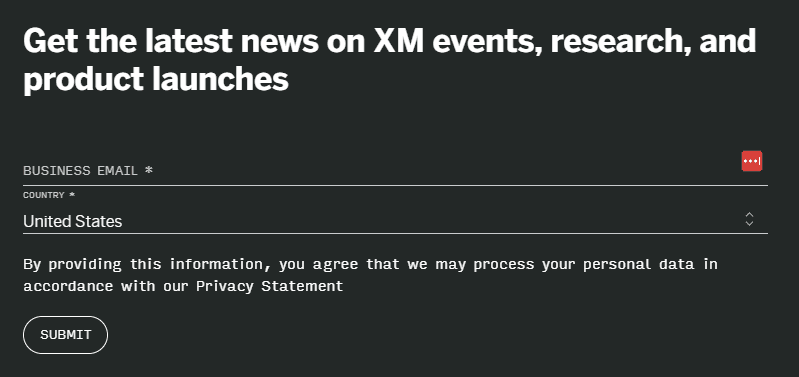
Simply placing a sign-up form on your website often isn’t enough. Instead, you can focus on organic list-building strategies that are effective and budget-friendly.
Conduct Warm Outreach
You can start by leveraging the power of your network. That means sending personalized emails to friends, family, past clients, and colleagues. Invite them to sign up, and to pass along the link for your subscription form to other interested parties.
Even though you already have a connection, it’s best to offer some kind of value, especially if you’re asking for referrals. For example, you could offer free consultations or discounts. We’ll talk more about how to offer value in exchange for sign-ups in the next tip.
Partner Up
Another option is to collaborate with businesses that complement your products or services. Offering an exchange is important here as well, such as a similar type of promotion on your end.
Alternatively, you might host a contest with a local business, requiring email sign-ups for entry. This helps to expand your reach and build community goodwill.
Get Creative
It’s important to think beyond the traditional opt-in form. There are various ways to capture email addresses from website visitors, social media followers, and in-person interactions.
For instance, you could add a sign-up button to your Facebook page. You could also promote your email list (and whatever value you’re offering in exchange for subscriptions) on your Twitter profile, or include an opt-in form on your “About Me” page.
Just remember that people are more likely to join your list if they recognize you and trust your brand. So focus on building relationships and offering valuable content upfront. The effort spent on building up a strong list should pay off well over time.
Tip #2: Create an Irresistible Lead Magnet
Some people will sign up for your mailing list simply because they’re interested or they like your products. However, many others will need a little nudge.
We all get far too many emails. Why should someone invite your business to clutter their inbox further? The best way to overcome that initial hesitation is to offer a compelling ‘lead magnet’.
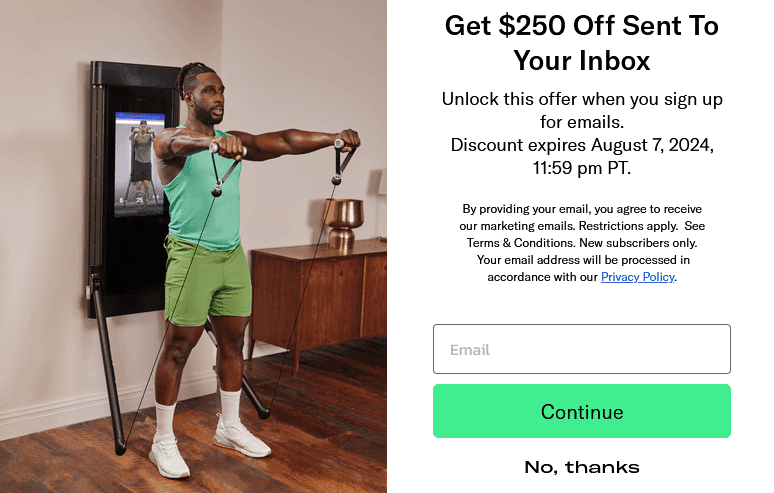
A lead magnet is something you provide in exchange for a subscription. You’ve probably seen this type of offer many times before:
Choosing the Right Lead Magnet
There are a lot of standard lead magnet options. You can offer an exclusive piece of content like an ebook or white paper. It’s also common to give some kind of discount code.
However, it’s also a good idea to think outside the box and consider what your audience really wants.
Are they more visually-focused? Short, how-to videos are engaging, easy to create, and showcase your expertise. You can use free tools like Loom to make recording and sharing videos simple.
If your audience enjoys learning, you can make that fun and interactive with engaging quizzes or personalized assessments related to your niche. There are free tools like Typeform that you can leverage create professional quizzes.
Another option is to provide a free trial of your products or services. This gives potential customers a taste of what your business brings to the table, to demonstrate your value and build trust.
This can take many forms, such as:
- A free website audit for web designers
- A mini financial plan for financial advisors
- A 15-minute coaching session for life coaches
Finally, remember that how you present your lead magnet matters. Enthusiasm is contagious, and will make people want to get their hands on whatever you’re offering.
Tip #3: Build Goodwill with Your Initial Emails
At this point, let’s shift focus a bit. You’ve dipped your toes into email marketing for small business, and you’ve started building a list. Now, what to send?
You might be tempted to focus on selling in your emails. But constantly bombarding your subscribers with promotions can be a turn-off, and hinder relationship building.
Especially in the beginning, it’s better to shift your mindset from selling to serving:
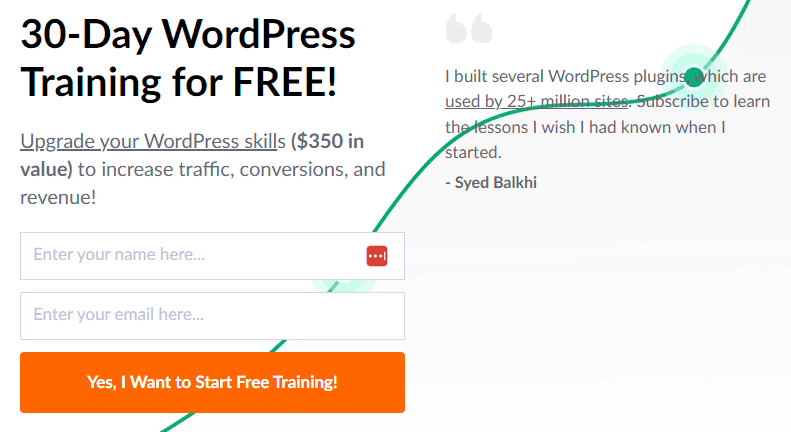
Focus on sharing your expertise and providing consistent value to your audience. Once that credibility is established, promotional content will be more effective.
Here are some tips to keep your messages on the right track:
- Become a trusted advisor. Share your best insights, behind-the-scenes stories, and unique perspectives.
- Nurture, don’t just sell. Offer helpful content that addresses your audience’s needs and interests.
- Highlight customer success stories. Show how your products or services have helped real people achieve results. These testimonials build trust and inspire action.
- Offer exclusive perks. Give your subscribers exclusive discounts, early access to new products, or invitations to special events.
- Re-engage when needed. After providing value for a while, you can re-engage leads with a simple question that probes their interest. Send a short, personalized email like “Are you still looking to grow your business?” or “Are you still looking to lose weight?” This direct approach cuts through the noise, identifies warm leads, and opens the door for conversation.
Providing value and building goodwill helps create a loyal audience that’s eager to open your emails.
Tip #4: Segment and Personalize Your Emails
When you only have a few dozen subscribers, sending out the same emails to everyone is fine. As your list grows, however, you can start to use it in more targeted ways.
‘Segmenting’ your email list means dividing your subscribers into categories based on their attributes or behaviors. For example, you might send certain messages to everyone, and others only to people who’ve bought a specific product or who’ve never purchased anything.
This allows you to send more personalized communications. Subscribers will receive only what’s relevant to them, which is lot more valuable for them and for your business.
Segmentation Strategies
Just about anything is possible with segmentation. Here are some simple but effective strategies to get you started.
Monitor Purchase History
People who have bought from you before are more likely to buy again. What have they already purchased?
You can use that knowledge to recommend related products and services. It’s best to do this soon (but not immediately) after a purchase is made.
Consider Email Engagement
Some subscribers will open every email, click on your links, and buy your products, while others will stay dormant. Each type requires a unique approach.
First you can identify your most engaged subscribers, and send them exclusive content and offers to reward their loyalty. Then, for those who haven’t been opening your emails, you can create re-engagement campaigns.
Pay Attention To Lead Magnet Downloads
What freebies have your subscribers downloaded? This provides you with important information about their interests, which you can use to send more relevant offers to the right people.
For example, let’s say someone downloads your lead magnet ebook: “7 Ways To Lose Weight Walking“. You’d then send them emails about your walking shoes, workout gear, or weight-loss coaching services.
On the other hand, if someone downloads your “Healthy Meal Planning Guide“, you might promote your meal-prep service, recipe books, or kitchen gadgets.
How To Segment Like a Pro
Any reputable email marketing platform will provide robust segmentation features. You should be able to categorize your subscribers based on their lead magnet downloads, purchase history, email engagement, and other relevant criteria.
If you don’t feel you have the necessary data to segment your subscribers yet, you can ask direct questions in your emails. Simple queries like “Are you currently using [product/service related to your offer]?” can reveal a lot, and people enjoy giving feedback.
For best results, you can also connect your email marketing tool to your customer service helpdesk. As we mentioned earlier, Groove – our platform for managing small business customer support – integrates with Mailchimp.
Once connected, you can leverage Groove’s shared inbox and tagging features to:
- See whether a customer is subscribed to your mailing list
- View subscribed customers’ profiles
- Subscribe/unsubscribe customers from your mailing list
This is an effective way to provide even more personalization. You can see a customer’s history, make a pitch for your email list at just the right time, and sign them up – all without leaving your support inbox. Plus, you can use the extra information provided via Mailchimp to offer even better customer service.
Tip #5: Repurpose Your Existing Content
Creating fresh content for every email is time-consuming. While you should make that effort sometimes, there are other times when it’s not necessary.
It’s unlikely your subscribers have seen everything you’ve written or published. Instead of reinventing the wheel, you can repurpose your existing content to create engaging emails.
Here are a few ways to do that:
- Blog posts. Use your email list to bring attention to your most popular posts. You can share short summaries of key takeaways, create email-exclusive excerpts, or even offer a “content upgrade”.
- Social media updates. Did a social media post get a ton of engagement? Turn it into an email. Expand on the topic, offer a unique perspective, or even invite subscribers to join the conversation.
- Videos & presentations. Create email teasers highlighting key takeaways, or offer downloadable transcripts.
- Customer success stories. You can showcase real customer success stories. Turn testimonials into engaging emails, and show how you’re helping people achieve their goals.
- Recycle your best-performing emails. Which emails get the highest opens, clicks, and conversions? Resend them to new subscribers, or use them to re-engage inactive segments.
It’s also worth looking into automation. For instance, you can use an RSS feed to automatically deliver your latest blog posts to subscribers’ inboxes. This saves time and keeps your audience in the loop.
Tip #6: Maximize Every Email
Every email you send is a chance to engage your audience and drive sales. This includes messages that seem purely transactional. To make the most of your small business email marketing strategy, you can turn routine emails into marketing gold.
Here are a few ideas:
- Confirmation emails. Use order confirmations to promote related products, recommend complementary items, or even offer a discount on the next purchase.
- Shipping notifications. While customers are eagerly awaiting their orders, you can use shipping notifications to share valuable content. Highlight customer success stories, or introduce subscribers to your loyalty program.
- Invoices & password resets. Include a brief call to action, promote a special offer, or link to your most popular blog post.
Finally, remember that not every message needs to be elaborate or fancy. Media is great, but plain text emails can also convert. In fact, they often feel more personal and conversational, which can lead to higher engagement.
It’s also worth noting that some email providers are more likely to flag heavily designed emails as spam. Meanwhile, plain text emails often have higher deliverability rates.
We’d suggest testing plain text emails against more media-heavy messages, and seeing what works best for your audience. Often a mix of email types is the best way to catch and hold subscribers’ attention.
Turning Subscribers into Repeat Customers
With some time and effort, email marketing can be extremely valuable for your small business. Using the above tips and your own in-depth knowledge of your niche and audience, you can build an email list, create engaging messages, and encourage conversions.
But the real magic happens when you turn those first-time buyers into repeat customers. And that’s where Groove comes in! Groove is a support platform that helps you:
- Build lasting relationships and deliver exceptional customer experience
- Provide quick and efficient support, resolving issues before they become problems
- Personalize your interactions, making every customer feel valued
- Create a self-service knowledge base that empowers customers to find answers on their own
By combining the power of email marketing with Groove’s easy-to-use features, you can build a thriving business that attracts new customers and keeps them coming back for more.
Don’t just build a list – build a community. Start your free trial with Groove today!
How To Use AI for Small Business Marketing
Feeling overwhelmed by all the buzz around AI? Not sure if and how it applies to your small business marketing campaigns? If so, you’re not alone. Many small business owners are concerned about the cost and practicality of implementing AI solutions. And there’s no one right answer for everyone. But AI can be a useful and low-cost […]
5 Steps for Creating a Customer Winback Campaign
Mark Cuban’s takeover of the Dallas Mavericks is one of the best examples of a successful winback campaign. The team was in dire straits, and Cuban understood that winning back customers was crucial to the team’s revival. So he took a bold, personal approach, setting up his desk in the sales office and directly calling […]