
7 Tips for Effective Small Business Branding

As a small business owner, you’re likely juggling a hundred tasks just to keep things running. Amid all that, competing with bigger companies can feel overwhelming.
You might think you need a massive budget and lots of free time to create a brand that truly stands out. But the truth is that effective small business branding is within reach – no matter the size of your company and its resources.
To get you started, we’ll offer tips for developing a powerful brand identity. The ultimate goal? To differentiate your business, and make a lasting impact in a crowded marketplace.
What’s Involved in Small Business Branding
According to VistaPrint’s Small Business Marketing Report 2024, 78% of consumers say it’s important for them to shop small. This means there’s a huge audience actively looking for businesses like yours. But you’ll still need a strong brand to capture their attention.
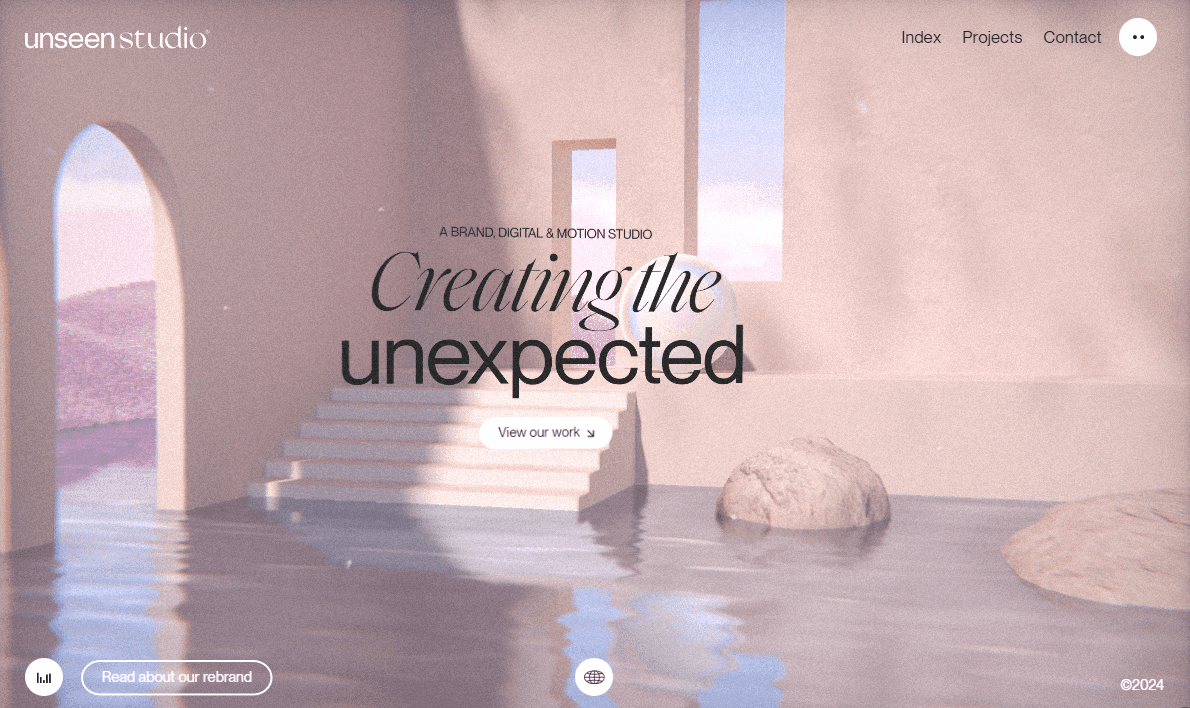
Branding is all about shaping how people see and experience your business. This is what makes you stand out from the competition and attracts the right buyers.
Effective small business branding means:
- Identifying your ‘Why’. Why are you in business? What problems do you solve, and what values drive your decisions? The answers to these questions are the foundation of your brand’s identity.
- Knowing your customers. Who are you trying to reach? Understanding their needs and preferences is key to crafting a brand message that resonates.
- Developing key visuals. Your logo, colors, website, and marketing materials should be consistent and memorable.
- Maintaining a consistent voice. How you talk to your customers matters. Whether it’s friendly and approachable or professional and informative, your communication style reflects your brand.
- Unifying the customer experience. Every interaction counts. From browsing your website to getting support, each touchpoint shapes how customers feel about your brand.
When all these pieces work together, they create a strong brand identity that attracts customers and builds loyalty. It may seem like a lot, but you don’t have to accomplish all of this at once. As long as you begin with a strong foundation, you can develop and expand your branding over time.
Our Top 7 Small Business Branding Tips
Now that we’ve introduced the key elements, let’s explore some practical steps you can take to define and strengthen your small business brand.
1. Define Your Brand’s Purpose and Values
Before you delve into creating logos and refining your voice, you’ll want to start by defining your brand’s purpose. This is the reason you started your small business, and goes beyond just making a profit.
As for your business’ values, they’re the principles you work by—what guides your decisions and actions. Together, these two elements are the heart of your small business branding, and they’re more important than ever.
Why?
Today’s customers care about more than just products or services. They’re looking for brands that align with their own values and beliefs. So here’s how to define your purpose and values to connect authentically with your online audience.
What’s Your “Why”?
First, it’s important to pinpoint the unique need your small business fulfills, and the problems it solves for customers. To do that, you can:
- Analyze your data. Review website traffic, sales patterns, customer reviews, and social media engagement. What are your customers responding to? What are their pain points?
- Ask “why” repeatedly. Use the “5 Whys” technique to uncover the root cause of the problems your online business solves.
- Engage with your audience. Use online surveys, polls, social media Q&As, or direct email outreach to understand your online customers’ biggest challenges.
- Craft a problem statement. Clearly define the specific problem your business is uniquely positioned to address.
Let’s say you run an ecommerce store selling handmade jewelry. Your “why” might be:
“We believe self-expression through personal style should be accessible to everyone. We saw a lack of unique, affordable, high-quality jewelry options online, and we’re here to fill that gap.“
What Are Your Core Values?
What principles are non-negotiable for you? Choose 3-5 values that truly resonate with you and will guide your small business’ branding.
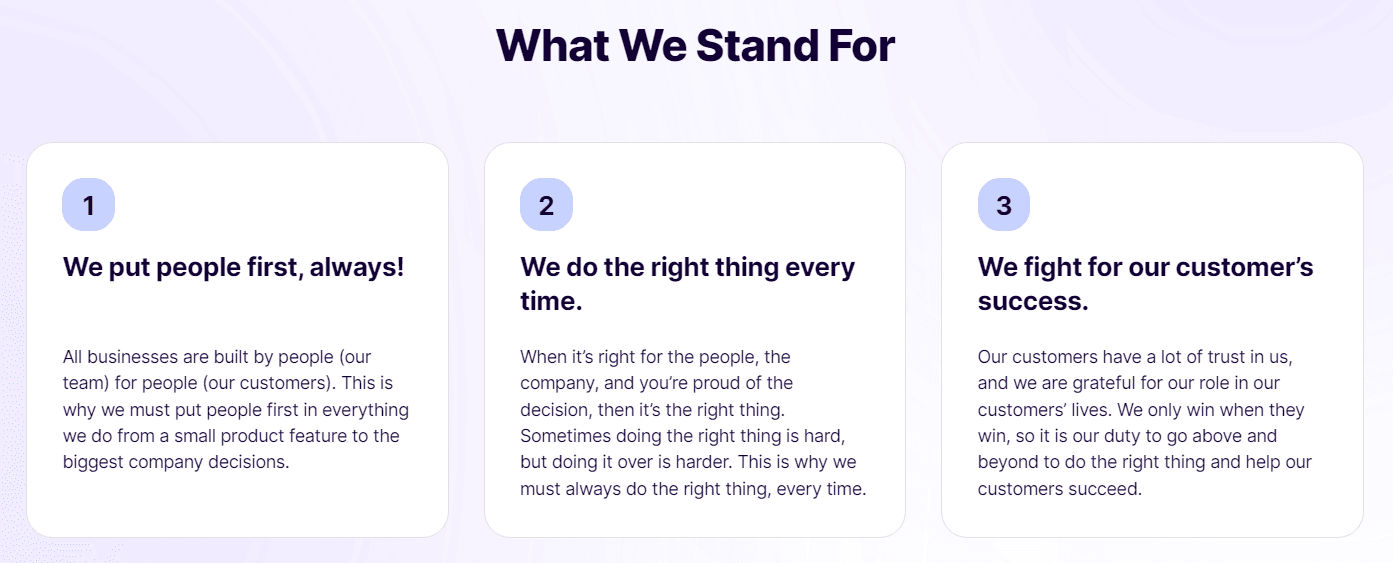
When articulating your core values, it’s also helpful to consider factors like your geographic location, the product categories you offer, and any relevant industry trends. These elements can influence how your purpose and values are perceived and received by your target audience.
For example: Perhaps your online jewelry business values ethical sourcing, sustainable practices, supporting independent artists, and offering exceptional customer service.
Write Your Purpose Statement
Your purpose statement should be concise: 1 to 2 sentences. You’ll also want to make it impactful and easy to understand. It’s something that can be used prominently on your website and social media profiles.

Here’s a simple framework you can try:
“[Your Business Name] exists to [What you do] so that [Desired impact on your audience].”
When filling in the blanks, be sure to:
- Focus on the “why,” not just the “what”: Don’t just describe your products; explain how they make a difference.
- Make it about your customers: What positive impact do you want to have on their lives?
- Be specific: Avoid vague language or clichés.
- Keep it authentic: Let your passion and values show.
When your purpose and values are clear, you’ll attract customers who share your vision. This process builds trust, loyalty, and even advocacy.
2. Research Your Target Audience
Now, let’s talk about knowing your audience and your competition inside and out. This is a critical aspect of small business branding. It’s doubly important for online-only businesses, when you’re not interacting with customers face-to-face.
Understanding Your Ideal Customer
The more you know about your dream customer, the better you can tailor your message, website and marketing directly to them. Here’s how to gather those valuable insights.
Start with your product. List out your product’s features. Also, for each feature, explain the benefit to your customers. What problem does it solve?
Check out your website data. Tools like Google Analytics can tell you a lot about your website visitors. You can easily get information about:
- Ages, genders, where they live, and what languages they speak
- Their interests, hobbies, and what other sites they visit
- Which pages they click on, and what they’re searching for
Get social. Use social media platforms to understand your followers, including:
- Who’s following you? Check out their demographics on each platform.
- What’s grabbing their attention? Which posts are getting the most love (likes, comments, shares)?
You can also ask them directly by using polls and Q&As to get their opinions and feedback.
Listen in on the conversation. Tools like Brand24 or Mention let you see what people are saying online about your brand and your competitors.
Create customer profiles. Combine all the info you’ve gathered to create 2-3 detailed profiles of your ideal customers. Give them names, ages, jobs, and interests, and note down what relevant problems they have.
Keep refining. Customer profiles are not set in stone. People change, and so do their needs and preferences. Pay attention to the data and update your profiles and strategies accordingly.
3. Get To Know Your Competitors
Your business isn’t the only option out there. Knowing about your competition helps you stand out, offer something unique, and stay ahead of the game.
There are three types of competitors you may want to watch. These include:
- Direct competitors (they’re doing exactly what you are, or close enough)
- Indirect competitors (they may have a different focus or set of products/services, but they meet some of the same needs your business does)
- Potential competitors (they’re not competition yet, but are up-and-coming or expanding into your niche)
You don’t need anything fancy to check out your competitors’ online presence. Some simple Google sleuthing will do. You’ll want to check out the following:
- Branding. What kind of messages are they sending? What do their visuals look like?
- Marketing. How are they reaching their audiences? Are they doing so through social media, ads, or blog posts?
- Customer feedback. What are people saying about them online? Look at reviews, ratings, and social media comments.
Analyzing The Evidence
Once you’ve gathered information on your competitors, it’s time to make sense of it all. Here are a few starting points:
- SWOT analysis. This classic tool helps you identify your competitors’ Strengths, Weaknesses, Opportunities, and Threats.
- Brand positioning map. Here, you’ll create a simple chart that shows where your competitors stand on things like price, quality and target audience. This helps you see where your business fits in and how it can stand out.
- Brand archetype analysis. Think of this as figuring out your competitors’ ‘personalities’. Understanding their brand archetypes gives you valuable clues about their values and how they connect with customers.
Using Your Findings To Guide Your Brand Strategy
You can apply the findings from competitor analysis to improve your small business branding strategy and increase awareness. Leveraging this knowledge allows you to:
- Find your uniqueness. What can you offer that your competitors aren’t? This could be a specific product, a unique service, or even just a different way of communicating with your audience
- Level up your branding. Can you improve your messaging, visuals, or online presence to better resonate with your target audience?
- Create a winning strategy. Based on what you’ve learned, develop marketing and product strategies to outperform the competition.
When you understand the market you’re operating in, you’ll be in a much stronger position to create a brand presence that stands out and wins over customers.
4. Develop a Strong, Consistent, and Memorable Visual Identity
Your visual identity is the first thing people notice, and it makes a big impression. It gives you the chance to tell the world that you’re professional and trustworthy.
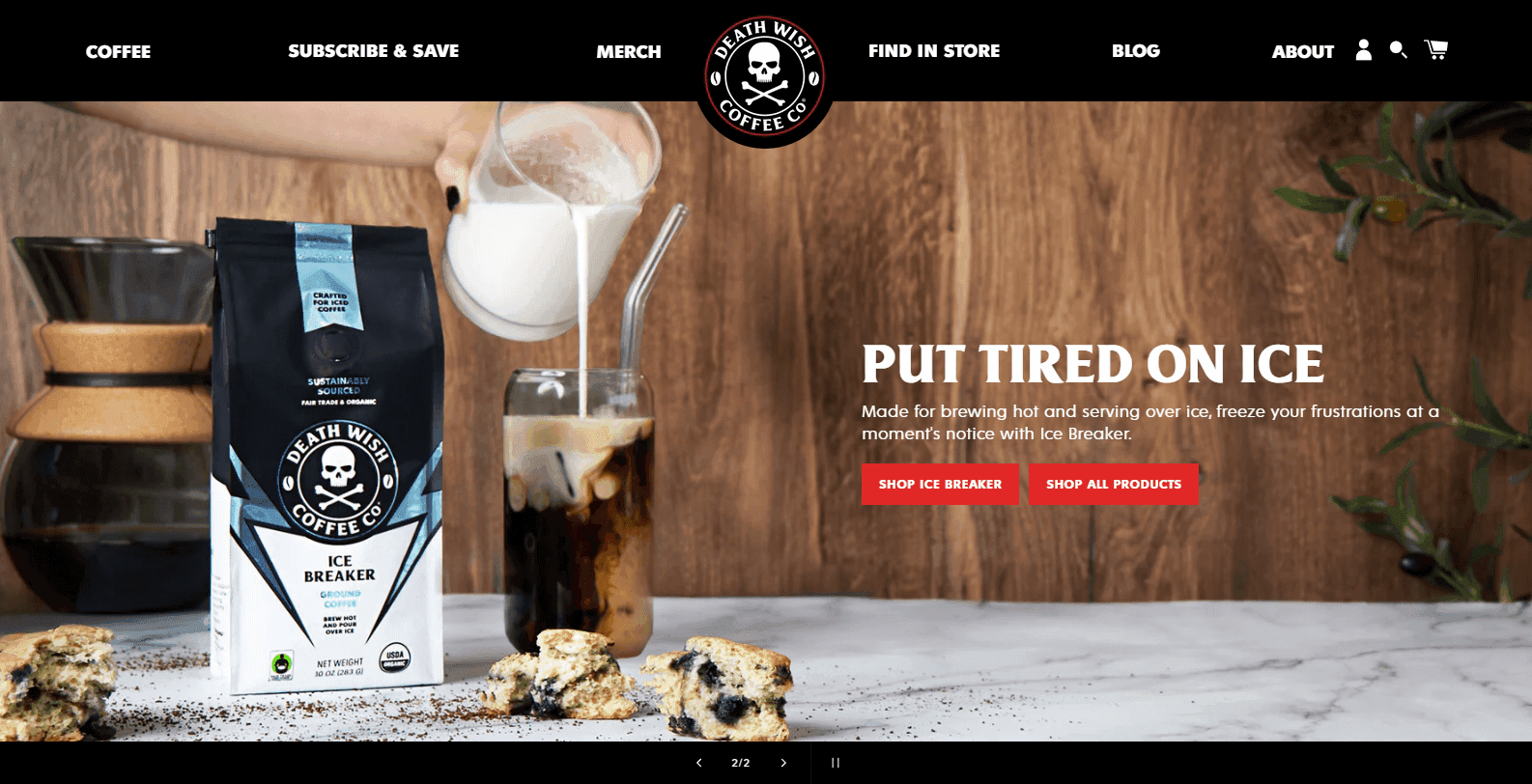
To create a visual identity that shines online, you’ll want to start with an overall strategy. Remember to stay consistent with what you’ve learned about your business, customers, and market, by:
- Considering your audience. What kind of visuals will resonate with them?
- Setting the mood. Create a digital mood board to visualize the look and feel you’re going for. You could gather inspiration from other brands, websites, magazines.
- Being true to your brand personality. Is your brand fun and playful? Sophisticated and elegant? Let its personality shine through your visual choices.
Key Elements for Your Visual Small Business Branding Kit
Once you know the general look you’re going for, it’s time to tackle the essentials:
- Logo. Your logo is your visual trademark. It’s best to keep it simple, versatile, and reflective of your brand personality.
- Color palette. Colors evoke emotions, and influence how people perceive your business. We’d suggest choosing 2-3 main colors and 1-2 accent colors that feel right for your brand and target audience.
- Typography. The fonts you use on your website, social media, and marketing materials also play a role in shaping your brand’s personality. Stick with 2-3 fonts to maintain a cohesive look.
And after those are in place, you can expand your visual language by focusing on the following:
- Photography. Use high-quality photos that reflect your brand’s style and appeal to your target audience. If you’re selling products, professional product photos are a must.
- Illustrations & graphics. These add personality and visual interest to your website, social media, and marketing materials.
- Website design. Your website is your online storefront. Make sure the design is user friendly, visually appealing, and consistent with your overall brand identity.
Along the way, watch out for common pitfalls. For example, many businesses try to be too ‘trendy’. What’s hot today might be outdated tomorrow, so opt for what’s true to your brand instead. It’s also important to avoid imitating your competitors too closely – you want to stand out, not blend in.
Choosing Your Tools
All of the above might seem overwhelming if you lack visual design skills. You can pay a professional to put together branding materials, of course, but what if that’s not in your budget?
Fortunately, there are plenty of solutions now that help you create good-looking visuals, with a minimum of skill and resources required. Here are a few suggestions to get you started:
- Canva: A user-friendly design tool for creating social media graphics, presentations, and logos.
- Adobe Creative Cloud Express: Another great option for creating social posts, logos, and flyers.
- Unsplash, Pexels, and Pixabay: Free stock photo websites where you can find high-quality images for your website and marketing materials.
Just remember, even if you’re using multiple tools – make sure all your visual elements work together harmoniously to convey your brand’s unique personality and message.
5. Establish a Consistent Brand Voice
Your brand voice is how you come across in every email, social media post, product description, and customer service interaction. A consistent tone helps people connect with your business on a deeper level. It builds trust and sets you apart from the competition.
Here’s how to find and hone your brand’s unique voice:
- Know who you’re talking to. Your brand voice should resonate with your ideal customers. A company selling eco-friendly baby products wouldn’t use the same tone as a high-end fashion brand.
- Consider your current vibe. Take a look at your existing online content: website copy, social media posts, email newsletters, and so on. Make a list of words that describe how you’re already communicating. Then consider whether those words match your brand identity and values – if not, it’s time for a new vocabulary.
- Write it down. Create a style guide that outlines your brand’s personality, tone of voice, and language guidelines. You can include examples of what to do and what not to do. This ensures consistency, especially if your small business’ branding is a team effort.
- Listen and learn. As your business grows and changes, so might your brand’s voice. Therefore, pay attention to what resonates with your audience (and what doesn’t). You can tweak and adjust your voice over time to stay authentic and engaging.
Finally, note that while consistency is important, you’ll still want to adjust your voice slightly based on context. There should be commonalities between your landing pages and social media posts, but it’s fine (and recommended) to adjust your tone for each medium. For example:
- Social media tends to be more casual and conversational.
- Email marketing allows for a more personal and engaging tone.
- Website copy needs to be clear, concise, and informative.
- Customer service should always be helpful, friendly, and solution-oriented.
6. Integrate Your Brand Throughout Your Business
You’ve poured your heart and soul into building an amazing brand – now it’s time to share it with the world!
From your website’s welcome message to how you handle a shipping inquiry, each touchpoint is an opportunity to reinforce your brand identity and create a cohesive customer experience.
Everything we’ve talked about so far can and should be applied to every aspect of your online identity, and each customer interaction. Exactly how you do that will depend on your audience, goals, etc. But here are some key starting points for any small business branding strategy:
- Website. Make sure your homepage clearly communicates who you are, what you offer, and what makes you unique. Also,don’t forget to tell your brand’s story on your About page. This is the perfect opportunity to connect with your audience on an emotional level.
- Social media. Use your brand colors, fonts, and imagery consistently across all platforms. And don’t neglect the details. You’ll want to maintain your brand’s personality in captions, comments, and interactions with followers.
- Email marketing. Make a great first impression with a branded welcome email that reinforces your value proposition. Emails are also a great way to share useful content, exclusive offers, and behind-the-scenes glimpses of your brand. Platforms like Mailchimp and ConvertKit offer free and low-cost plans to help you get started.
- Content marketing. Create high-quality, engaging content that your target audience will love, such as informative blog posts, captivating videos, and shareable infographics.
Aligning Your Team
Your team is your brand’s most important ambassador. Whether your business consists of two people or twenty, you’ll need to make sure everyone can communicate your brand values consistently.
How do you accomplish this? You can’t wait for it to happen naturally.
Instead, it’s vital to train everyone on your team in your desired style, from customer service representatives to social media managers. You can also create clear, easy-to-reference brand guidelines.
We’d also recommend having a centralized platform for customer communications. This is the place where branding is most often forgotten. You might build an engaging, unified brand on your website and social profiles, but it can all fall apart if your support team doesn’t follow suit when interacting directly with buyers.
We’re biased, of course, but we think Groove is the best way to make that happen. Our customer support dashboard helps online businesses with growing teams stay on the same page.
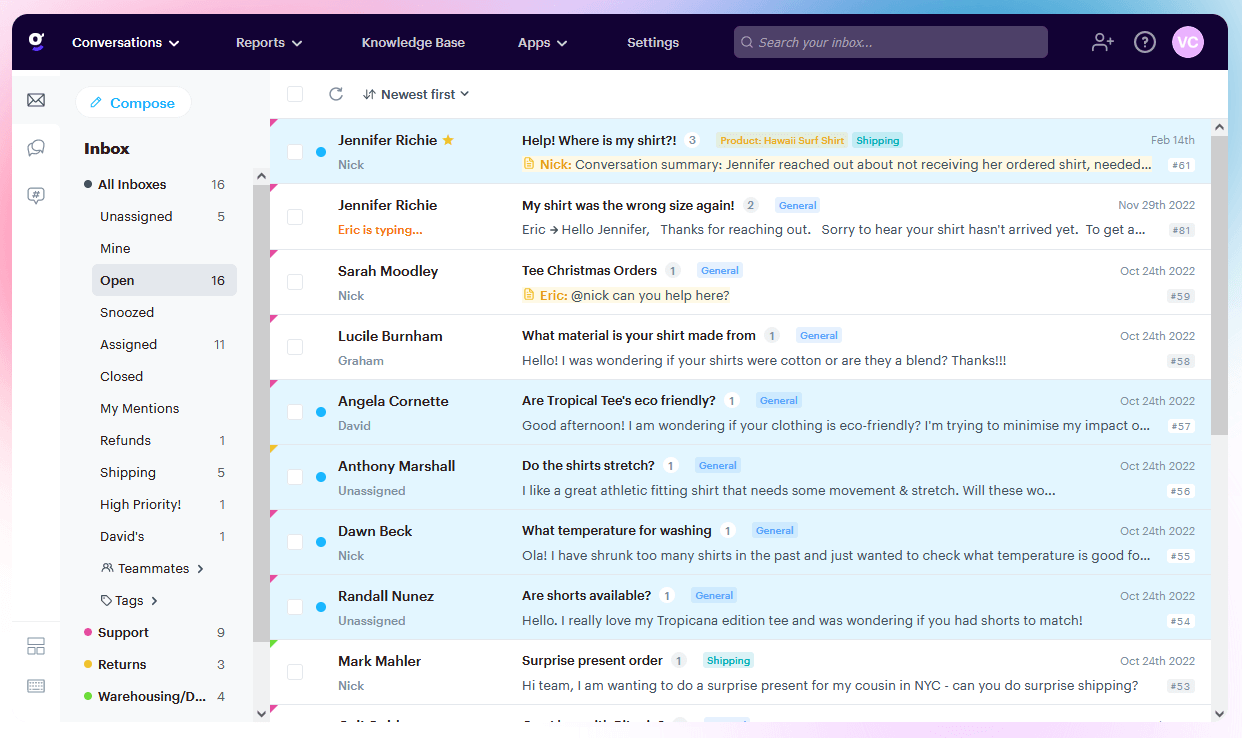
Here’s how our helpdesk software can help with your small business branding efforts:
- Centralized communication. Your team can work together effortlessly using Groove’s Shared Inbox feature. This makes sure everyone has the knowledge and context needed to respond in a way that’s consistent with your brand.
- Knowledge base. You can build a library of helpful articles and FAQs, so customers get consistent answers (and your support agents can reference it too!).
- Customer feedback. By asking for customer satisfaction ratings, you can see how customers are reacting to your support interactions and adjust accordingly.
In other words, Groove ensures that your team is equipped to embody your brand in every interaction. This way, you’ll be able to present a unified brand voice, no matter how customers choose to connect with you.
7. Continuously Refine Your Branding
The digital world is constantly evolving, and your brand needs to evolve with it. So let’s wrap up with a few thoughts on how to keep your small business branding fresh, relevant, and top-of-mind.
Listen Closely
Your audience is constantly telling you what they like and what they don’t. Groove helps you solicit direct feedback, but it’s also necessary to pay close attention to what people are saying about your brand on social media. Tools like Google Alerts ensure that you never miss a mention.
For even more targeted feedback, you might send out customer surveys or run quick polls on your social media channels. You can use free tools like Google Forms and Typeform to gather direct insights from customers.
Analyze and Adjust
Website analytics reveal a gold mine of information about your audience’s behavior, interests, and preferences. You can use that data to:
- See which pages on your website are resonating
- Identify what people are searching for
- Understand where your audience is located

It’s equally important to keep a close eye on your marketing campaigns. Track which messages and visuals are performing well, and which ones might need tweaking.
And remember: Staying informed about industry trends is key to keeping ahead of the curve. Check out industry blogs, listen to relevant podcasts, and make a habit of reading newsletters from thought leaders in your niche.
Level Up Your Small Business Branding Strategy
Branding your small business is an ongoing journey. It encompasses refining your message, connecting with your audience, and adapting to the ever-changing digital landscape.
From crafting a unique brand identity to nurturing lasting customer relationships, every step you take can contribute to a powerful small business brand. A unique identity that resonates with your ideal customers sets you up for long-term success.
Ready to take your small business branding to the next level? Groove helps you streamline communication, empower your team, and create an excellent experience for every customer. Sign up for a free trial and discover the difference!
How To Conduct a Voice of the Customer Analysis
Running a small business is tough. You’re juggling a million things, from marketing, sales and product development to customer service. I bet sometimes it feels like there aren’t enough hours in the day. But amidst all the chaos, there’s one crucial element that often gets overlooked: Truly understanding your customers. That’s where Voice of the […]
5 Common SaaS Pain Points (And What To Do About Them)
So the other day, X (formerly known as Twitter) and YouTube were flooded with discussions about tech reviewer MKBHD’s new project – a wallpaper app called Panels. This product has been in the pipelines for a while. And I thought to myself: “Well, this is going to be an instant success.” Because MKBHD (Marques Brownlee) […]